Tag: ancient rome

  • Thursday, August 27, 2026 – Entering the Virgilian lottery (Reading Day)

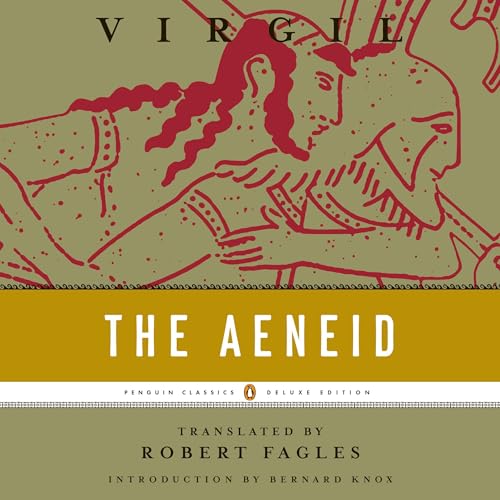
    I am reading The Aeneid by Virgil, translated by Robert Fagles. Today I set off for Italy as a ghost to find the faults of the man who was irresistible to women and to examine his fate: everything seems to exist to fulfill his destiny—to found a city that would one day lead to Rome, whose influence would last for thousands of years. But then I see the image of him carrying his old father on his back, with his young son Ascanius at his side and his wife Creusa behind him as they flee burning Troy. That is why I have always wanted to know more about him. Is he really an egoist or a victim of fate?

    But first, I needed to know about the whys and wherefores of the man, Troy, and Italy. Reading the introduction was necessary. This was unusual for me because I usually skip introductions and read the book with a tabula rasa in order to form my own understanding of its content. Not the Aeneid. Not Virgil. Not Robert Fagles. For me, The Aeneid, Virgil, and Robert Fagles form a trinity. The epic has survived for two millennia. A second trinity shaped Aeneas’s identity—pietas (duty), gravitas (seriousness and moral weight), and auctoritas (authority earned through public service). It is even tattooed into his very identity as pius Aeneas—“pious Aeneas.” This is not solely religious but also conveys a sense of duty toward values deemed admirable and essential to being an admirable Roman man and soldier.

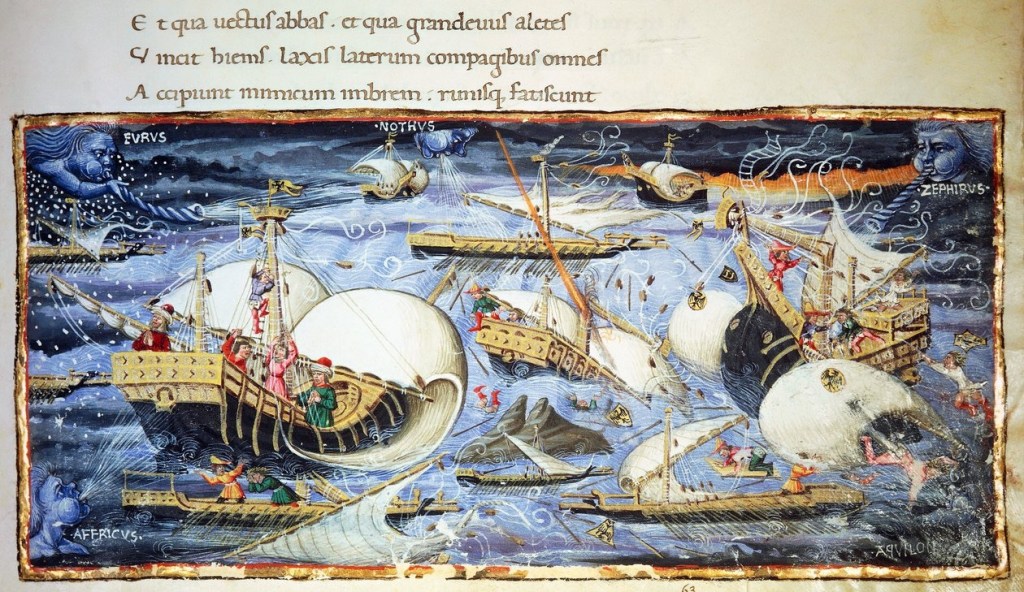
    Knox told readers his own story about why the Sortes Virgilianae and Virgil’s work entranced him. He was also destined to become a reader and a soldier of Virgil, both literally and figuratively. As a U.S. Army captain during the Second World War, he and the Italian partisans marched through regions of Italy once crossed by the armies of Octavian and Mark Antony. King Charles I was no exception to the Virgilian way: during the civil war, he read Virgil and tried to discover his destiny by playing the Virgilian lottery. This involved picking a passage from The Aeneid at random and interpreting it in light of his own situation—a literary equivalent of bibliomancy. It was regarded not merely as superstition but as a guide to what might happen and what one should do. Of course Knox did it too.

    Now that I am finally aboard the ship with Aeneas as I begin Book I, I want to decide whether to try the Virgilian lottery and join the king and the captain. But first, I want to see whether Aeneas deserves my accusation that he is a heartless man who, under the aegis of his sacred pietas, makes the women who loved him—his wife Creusa and Dido—face their fates.

  • the unlikely family

    “So you have now the earth, the water, and the sky in your room! Awesome!” That was my brother when I told him over the phone about my recent adoption of a parakeet from a Petco. The paroxysm of excitement catapulted me into the awareness of a reality that I did bring a bird—those small but sharp beaks and those wrinkled tarsi feet manifesting the atavistic characteristics of dinosaurs, particularly the T-Rex. The truth that I now have to cohabitate with the least-likely coveted descendent of T-Rex still swivels my head in wonderment as if the ghost of Alice in Wonderland possessed me. So why the bird then?

    Dreaming of Sinbad and Serah

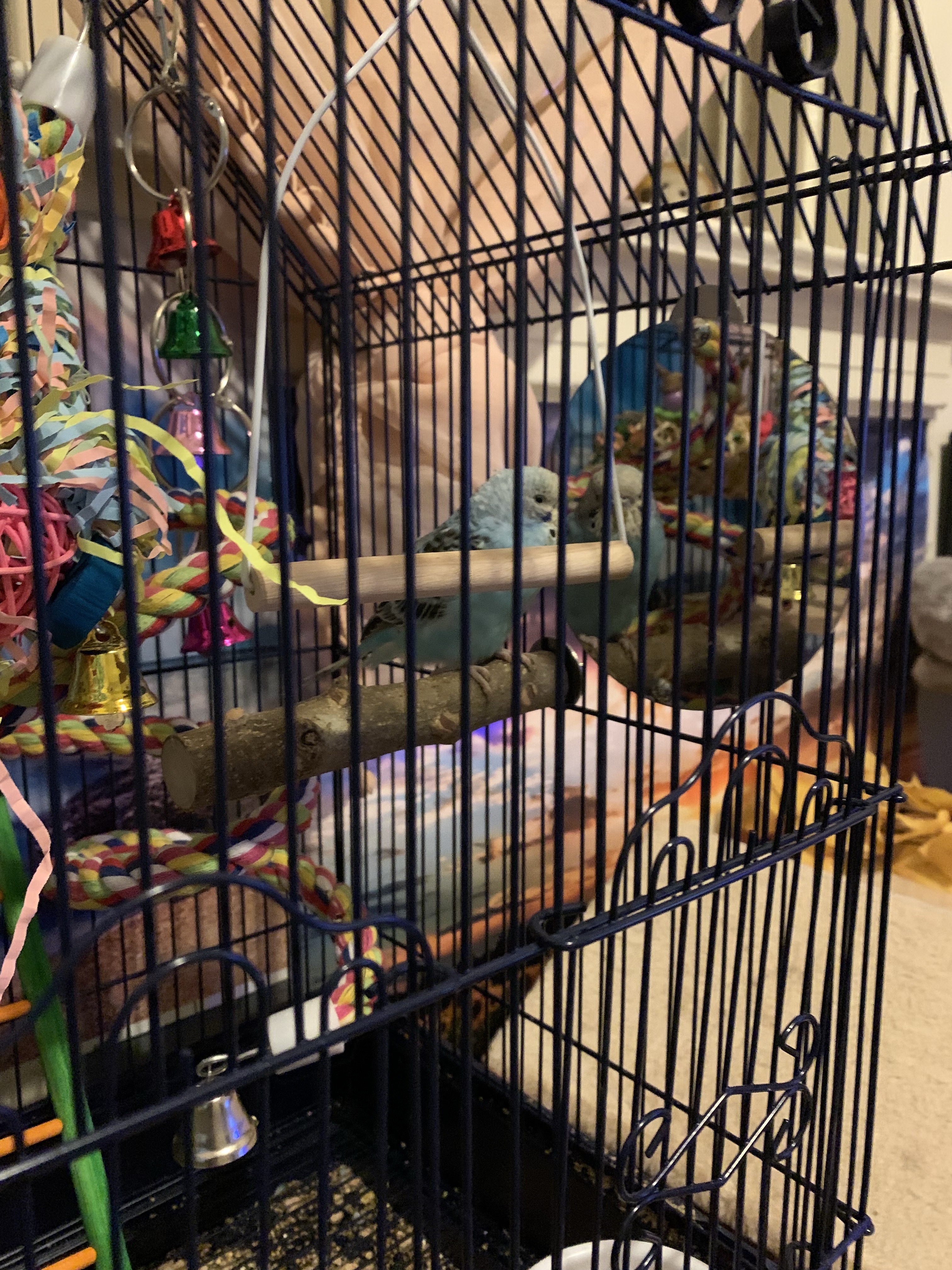
    While there might be the remotest chance of using my parakeet as a divine medium to consult my future, I have recently brought Sera home with great expectation of making a friend with the lonely Toro. Toro is now one year and four months old, and his growing curiosity calls attention for a playmate to share his enthusiasm and vociferous nocturnal stamina. Of course, the kinship of feline presence is the best option to fulfill the requirement. Still, the existential circumstances of present life eliminate it. Hence the lot fell into a blue parakeet I named Sera after the talking bird Serah, a travel companion of Sinbad the Sailor, from my favorite childhood cartoon. As you can guess, Sera is a girl who spends most of her time in front of the mirror and then trills in high soprano like a pretty and prim starlet prima donna.

    The crossed Sera befriends a reflection of loneliness.

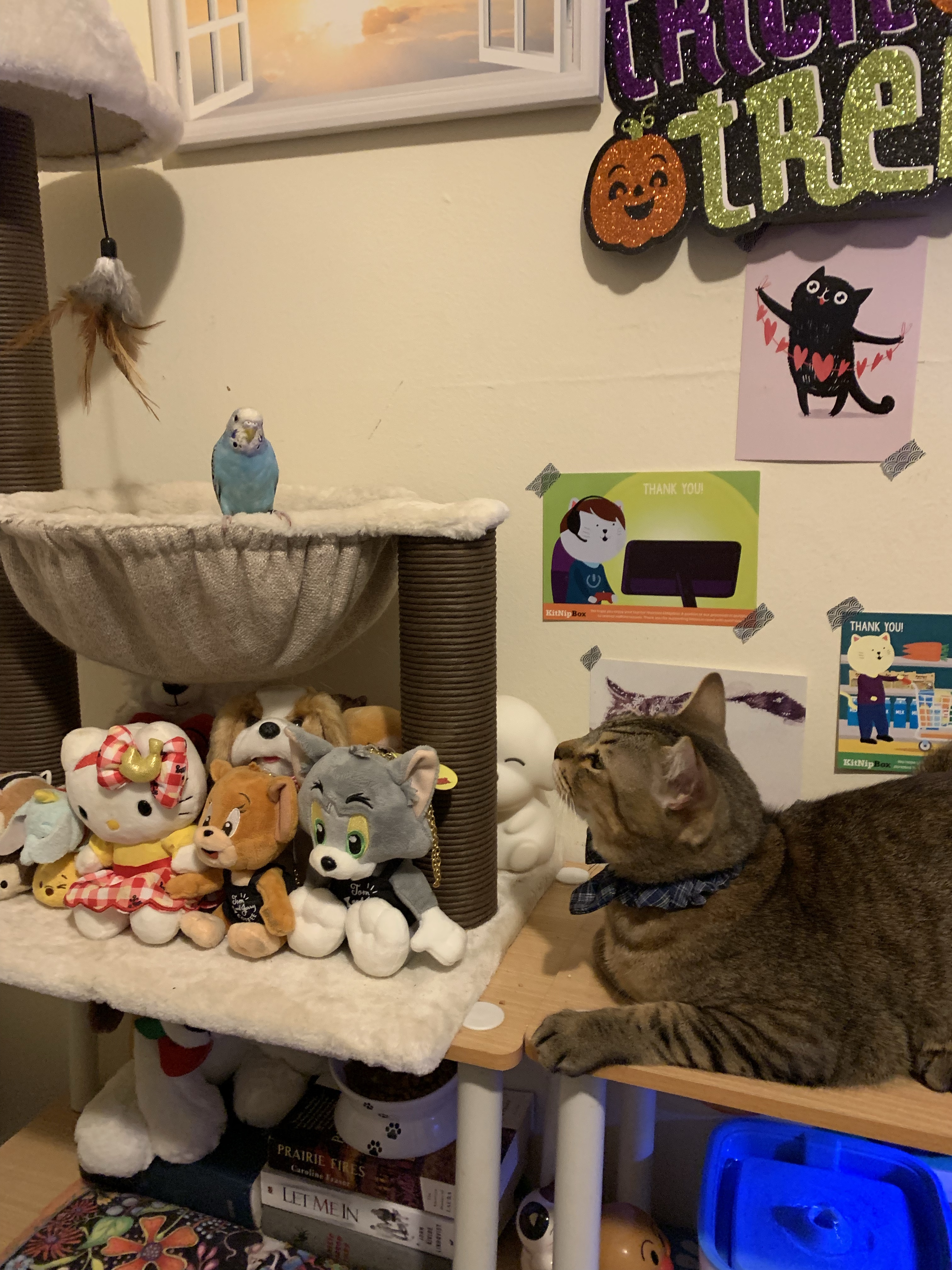
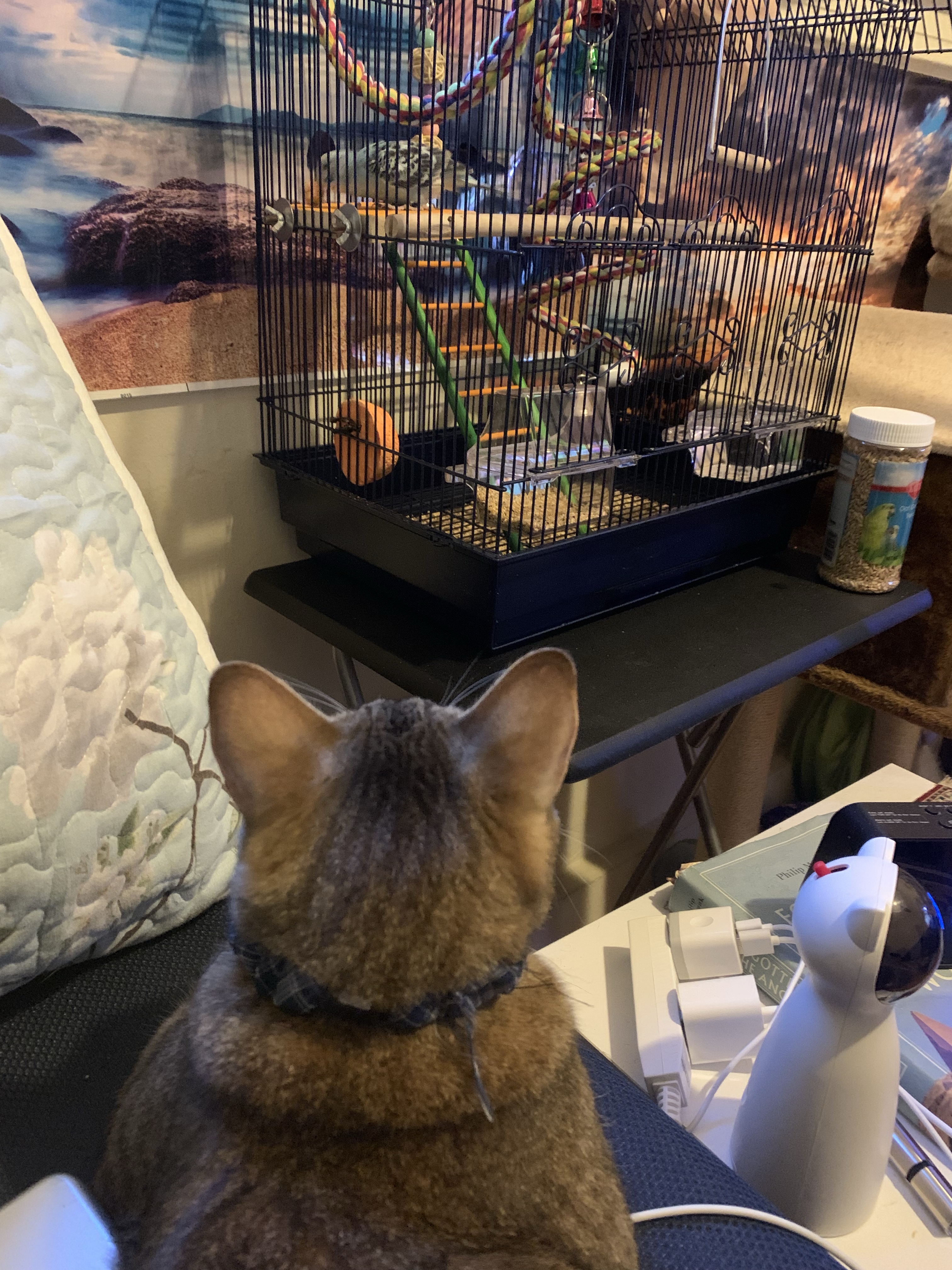
    My endless attempts to tame Sera to sit on my finger and her constant ignorance of my presence are both disheartening and ireful. Toro is a susceptible and timid cat who denied looking at dead fish by turning away his head from the sight. Even though Toro wishes no harm on his new friend Sera, who fastidiously avoids him with all her feathers and beaks, she defends herself from him with all her might. Toro looks at me with his large sad eyes full of liquid heartaches whenever the conflict occurs, and I comfort him in my arms. Sera then flaps her tiny pretty wings, returns to her castle, and ensconces herself on a twiggy perch with a loud and snappy chirping as a sign of victory over the feline Goliath.

    I still don’t know if my decision to extra-species friendship is counterproductive amid Sera’s callous attitude toward Toro and me despite our apologies and continuous endeavor to reconcile with her. Perhaps I should not have taken Sera yet from the cage while she might have been still not familiarized with her new home. Still, there’s hope in my Pandora’s Box weaved in a rope of sparkling diamonds that promises a dazzling delight of trust and love filling the loneliness of the little hearts in our room. Who knows, one day Sera suddenly talks both Korean and English and tells me my todays and tomorrows? You never know.