
When Odysseus returned home after twenty years of war and wandering, the first to recognize him was not his virtuous wife Penelope. It was Argos, his faithful hound, who greeted him and breathed his last after seeing his master once more. In Homer’s time, too, dogs must have been man’s best friend: loyal, devoted, and artless. So, it’s not new that dogs deserved recognition in art over time. Paolo Veronese, a Renaissance painter, joined this tradition by making dogs mirrors of human emotions and behaviors through their unspoken gaze.
Thomas W. Laqueur’s “Veronese’s Dogs” tells us what dogs represent in Paolo Veronese’s paintings, most of which depict colossal religious and moral scenes. Because the essay is excerpted and adapted from Laqueur’s own book, The Dog’s Gaze, this reading is like hearing the author’s mind directly, without another critic’s interpretation. Among the paintings he discusses, I am drawn to Veronese’s dogs as silent witnesses to the manifold human characteristics revealed when people are placed in moral quandaries. One that lingers in my mind is The Feast in the House of Levi. The scene shows Jesus at the center of a ballyhoo of raw human expression. Around him, the figures appear exaggeratedly excited and excessively vociferous: dubious-looking clerics and a copious assembly of porcelain-skinned characters displaying their wealth. Only Jesus and the dogs retain a serene, dignified composure, as if they were looking upon all human acts without interfering. Christ and the beasts. But who, then, appears impulsively theatrical, gesturing grandly, while the dogs look almost divine?
But not everyone was pleased with Veronese’s artistic freedom, especially in The Feast in the House of Levi, so the Inquisition called him to replace the dogs with figures such as Maria Magdalena. But why on earth would she be in the Feast, even if she wasn’t there? But Veronese was braver than Galileo. Instead of removing his beloved canines, he added the inscription “Levi made the Lord a Great Feast” (Luke 5:29), and the painting became The Feast in the House of Levi. His wit saved the painting from a flaming stake.
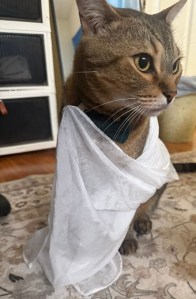
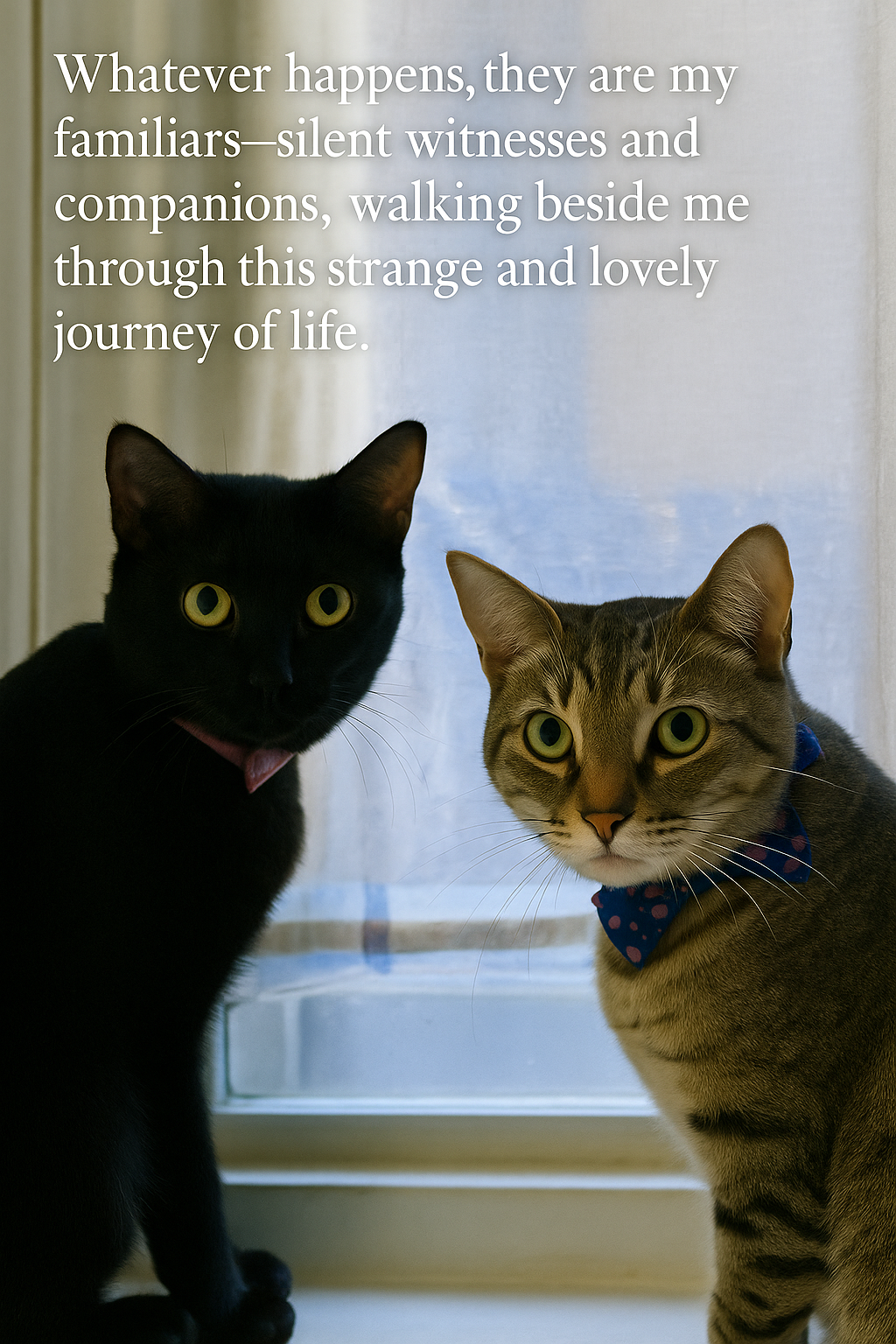
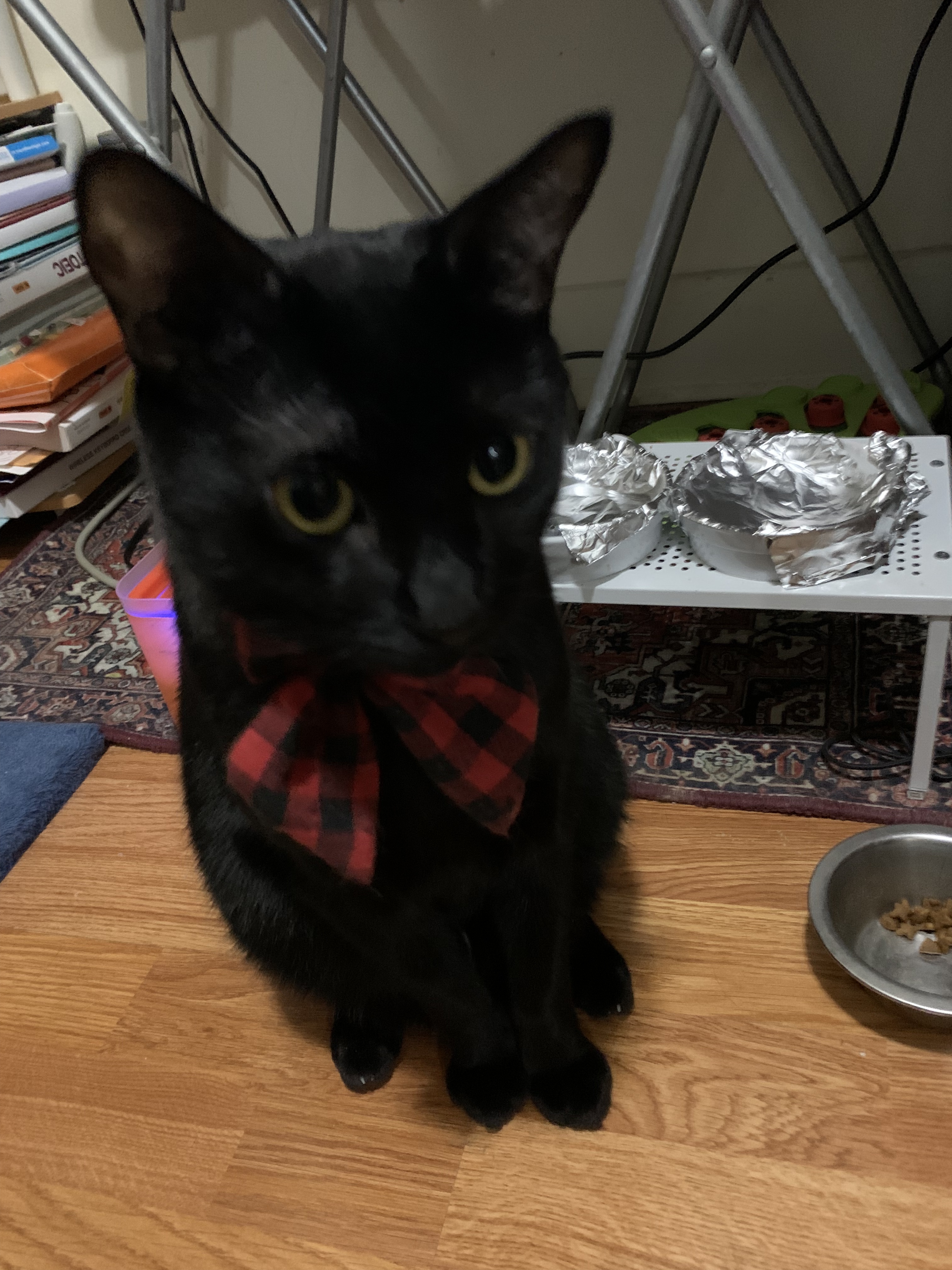
Animals do not speak human language. My cats do not speak, but they understand Korean and English. How I know is no mystery: they look happy when I come in from outside, bunting their little heads against my legs and looking up at me with their beautiful emerald and amber eyes. And that’s not all. When I tell them, “I love you,” they snuggle their soft, furry bodies into my arms, and I know they know. Veronese knew.






You must be logged in to post a comment.