
Great writers are great because they know how to tell entertaining and enduring stories without religious and didactic overtones. Moreover, they are unafraid of speaking their minds without a qualm of conventional belief or sectarian principles. Yesterday, I read an essay called “The Republic of Heaven” from Demon Voices by Philip Pullman, a renowned British best-selling writer whose intelligently tongue in cheek styled narrative raises the dander of the Catholic Church for his acerbic view of the orthodox teaching. With my reading of Candide by Voltaire still fresh in mind, I find Pullman and his philosophy of free thought familiar with that of Voltaire and realize that true intellectuals think among people and live in social companions of public spirits for the good of humanity. Thus, here is my discursive impression of Pullman’s “The Republic of Heaven.”
Pullman urges us to step aside from habit, a banal molded frame of life, to see the world outside the box, which will lead to an immense world of delight, the Republic of Heaven, for we are worthier than we think we know because we are such stuff made of wonder. Pullman’s heroine is Charlotte Bronte’s Jane Eyre, who has resisted against the magistrate of grim and gray puritanical ethos that decries an expression of feelings and emotions under religious disciplines. She remonstrates against the cold-hearted Mrs. Reed thus: “You think I have no feelings and that I can do without one bit of love or kindness, but I cannot live so.” Her demand for love stems from her need for it, which is an essential food for the soul that serves a purpose and pique for life. This sense of love so wanting in Jane cannot be quelled by false optimism that such distress is the best for the best of all possible world. On the contrary, it is an outcry of the soul desirous of warm and soft human touch that thrills the heart and invigorates the mind. Human beings cannot live by Reason alone, forced to utilize when the right of five senses is forfeited and bound by misconceived religious concepts and false moral measures.
The founder of Logotherapy, the third Viennese school of psychotherapy, Viktor E. Frankl, witnessed a learned Jewish woman in his concentration camp killing herself despite daily recitation of wise sayings of the Torah supposedly being a consolation. Frankl affirms that we humans cannot live without the joy of life, that is, an appreciation of pleasure to the senses because otherwise, we will degenerate to a provisional being living day to day like prisoners of dreary dungeons in the darkness of hopelessness. Pullman agrees with Franklin the creative and experiential values of pleasure that keep a journey to live a purposeful and meaningful life.
The creation and experience of art spark the joy of moments that can be synonymous with a meaning of happiness in life. Some find consolation in religion, but it does not give them whys to live for, nor kindness to show hows. Pullman’s concept of the Republic of Heaven comes to a head prominently when we are stranded in the chaos of existential vacuum, the kind of which the loyal and conscientious butler Stevens felt when he lost his faith in his idealized employer in Kazuo Ishiguro’s The Remains of the Day. However, if Stevens pursued his love for Miss Kenton and appreciated the pleasure of love he consciously denied, he would not have felt the sudden void in his life. The sense of delight in the physical world is the essence of the Republic of Heaven that he and we are conditioned to ignore. The point of Pullman’s philosophy is that we are too serious about the pleasure our physical world provides. And it’s not a chemical-induced euphoria for escape from the world but a new attitude toward our perspectives of it. Elenore Roosevelt also knew how to become a citizen of the Republic, thus: “Do one thing every day that scares you.” I should try that.


 The mother and the son is also escorted by a trusty entourage of Phil, who is also concerned about his dear brother. Small as he is, Philip is all bravery and cheerfulness. He wants to make sure all’s well with Fred, who always reads him sweet bedtime stories by his nightly bedside as well as other illuminating stories about ancient Greek heros and the gods and goddesses of the Parthenon, great historical figures, and oeuvres of fine writers throughout the western civilization. Fred to Phill is what Yoda is to Luke in the Star Wars. Philippa is pleased to see her sons bound by Charity, Hope, and Faith, the three theological virtues, not by dint of mere blood relation that is often devoid of the virtues by default.
 When the McGreen trio arrives at Dr. Hobson’s office on Kingsbridge road, they are amiably accosted by Helen, one of the prettiest and kindest ladies in Avonlea who is married with three children to a grocery proprietor Priam, who fell in love with her at first sight by thinking, ‘She’s beautiful, and therefore to be wooed. She’s a woman; therefore to be won.’ Helen and her three-old son George are pleased to see her neighbors there and wants to know what has brought all three of them to this far. “Fred has been in agony for two weeks due to a serious case of abscess on his right shoulder,” says Philippa, “But Fred did not tell me and his brothers until this morning, enduring all to himself only the gruesome pain that stymied his everyday activities, such as eating and working. In fact, the pain even prevented him from reading a book!”
 Helen does not understand Fred’s reason of silence that was broken this morning, so she ventures to inquire about the cause. “Fred, why did you not tell your mother when it began to hurt you? Had you told her about it earlier, you would have been cured.” Fred is absorbed in all the dialogues between his mother and Helen and forms the most honest and provident answer to the lady’s inquiry. “At first, I thought it would go away because it had happened before. But although I tried myself applying to a topical ointment and taking doses of pain suppressant and high hopes, it just became worsen… What’s more, I did not want to worry mom because she was always very busy with running the restaurant and the household all by herself. Now I am in great pain now, which has compelled me to alert mom about it.”

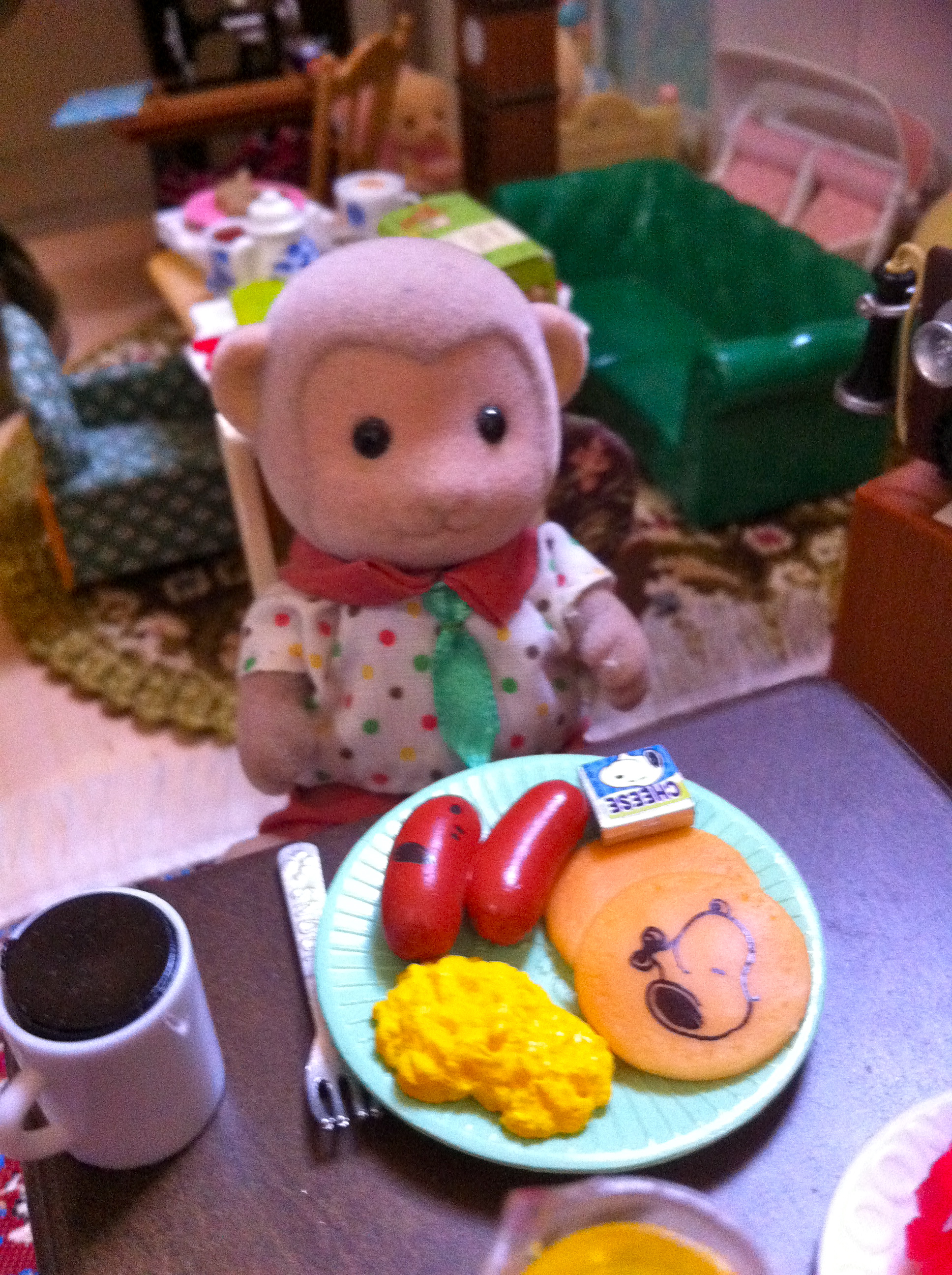
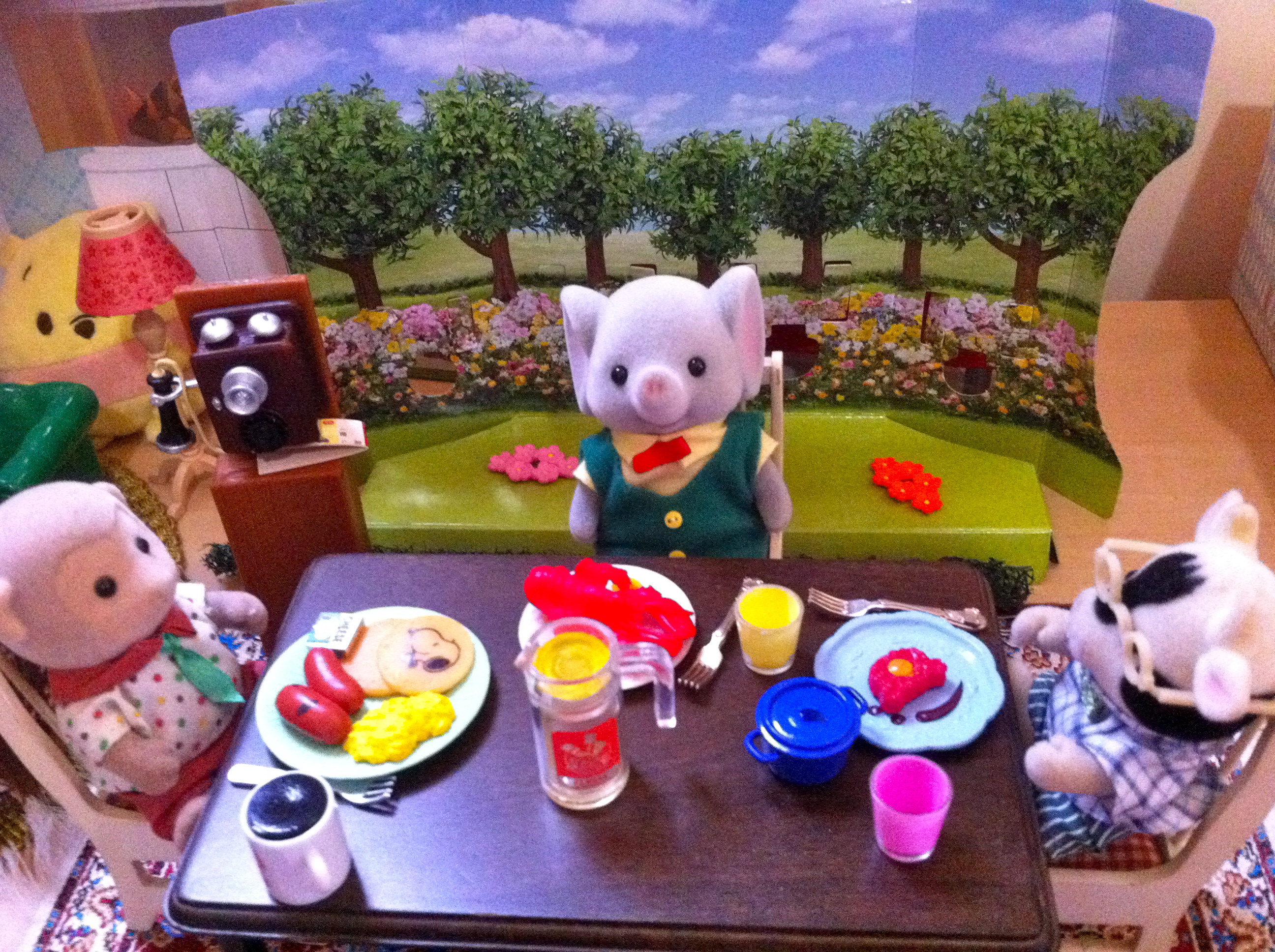 It’s one fine Saturday afternoon, and Hans Bauer and Zeus Magoo are as cheerful and loquacious as sparrows in the morning sky as they are talking away about the weekly panorama of Avonlea,families, and businesses at the delightful brunch hosted by their good business partner John Elephant, who has not only an acute business mind but also intelligence embodied in geniality out of his deep concern for humanity. So as a token of appreciation of individuality, John asked Hans and Zeus in advance of their choices of brunch rather than deciding the menu on his part (or his wife Rachel’s, to be precise). It’s in fact convenient for Rachel to prepare for the guests’ meals and also interesting to detect a trace of character and personality in each of the meals by its ingredients and condiments it accompanies. As tree is known by its fruits, a persona can be interpreted by what he eats to a certain extent because people tend to stick to diets of their choice.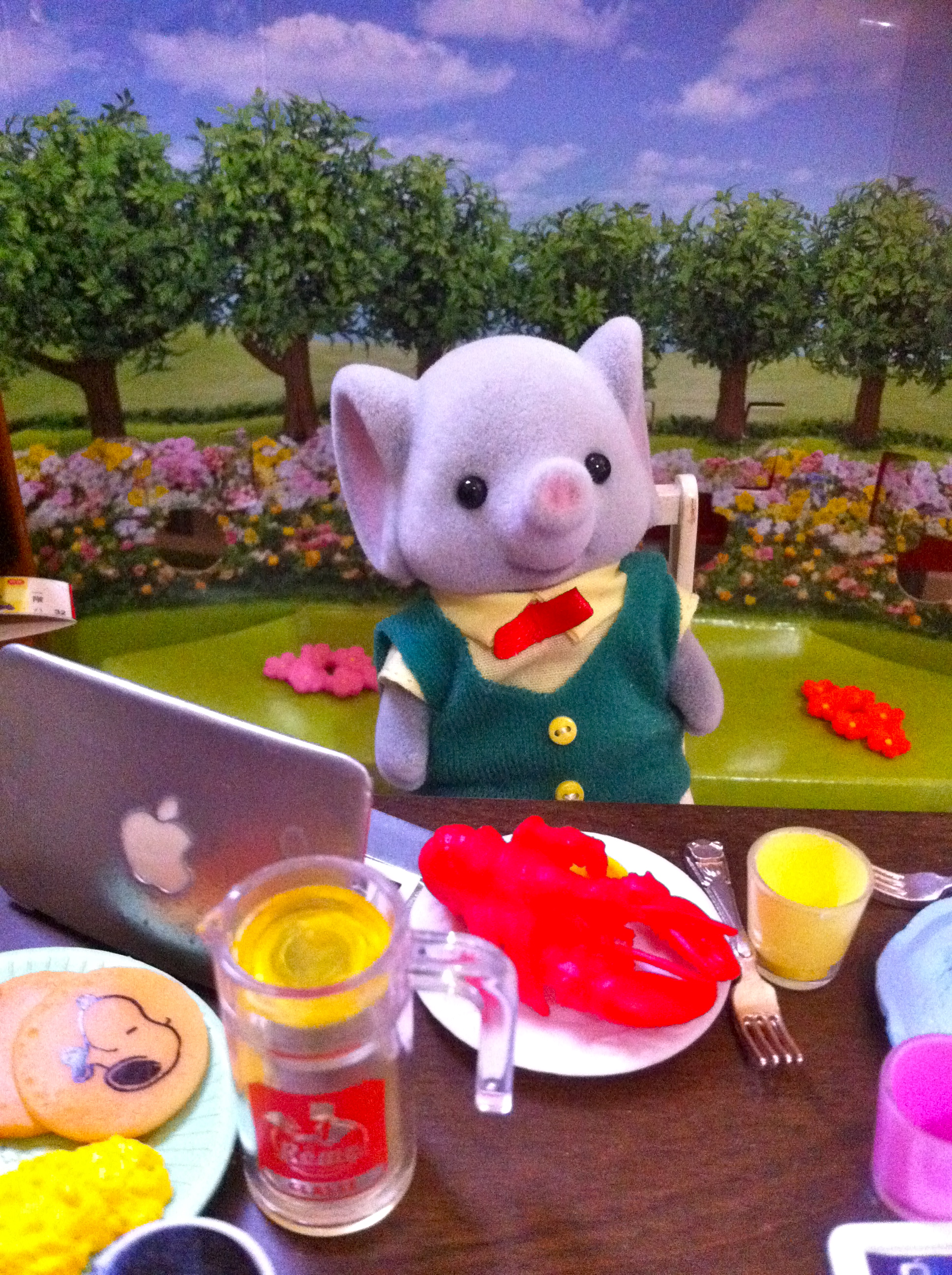
 Zeus Magoo, who runs a convenient kiosk on 1291 Suhs Avenue, is surprised by John’s sudden intention of relocation to California because to Zeus moving a place of livinghood with a family, let alone his means of business seems to be too risky a business itself. “Well, it’s a nice idea to get away from the grim East, but I don’t think the nice weather should be the alpha factor to make you decide to uproot your livinghood, John. I mean, you can always vacation there with your family to escape from the blustery winter days, but moving there for good may ensue unforeseeable implications you can’t think of. Of course, you have enough resources to officiate a new residential and business addresses in the Sunshine State, but you need to think about this moving there carefully.”
 “Yes, I agree with Zeus on that.” Hans Bauer, a tram conductor of thirty years, chimes in with his quiet agreement. “John, you are a man of prudence and sagacity, so it is hardly to expect you to act on impulses or whims. Think again, and think good. We don’t want to lose our trusty John to the Wild West. Surely, the eastern climate is not the most cheerful not salubrious to the sunny temperament, such as you possess, but then it’s not too bad to live here. At least, it’s better than Hanover, where I cam from at the age of eighteen.” Hans is then momentarily carried away by the floaty recollections of his early year with a melody of nostalgia.

You must be logged in to post a comment.