Some indulge in drinking, some gaming, but mine is binge-watching supernatural/suspense movies when I am under dark spells. Hence this past weekend, I wallowed in the below visceral world of make-believe with my cats as guardians perched next to me on both sides like Odin’s two crows, Memory and Thought.
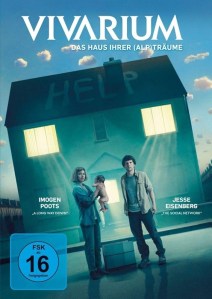
Vivarium (2019): This is one of the most surreal movies I have seen. Some classify this movie as Si-fi, but it is Horror because it has no hope of escaping from the cycle of repetition with no end to the movie’s end. The young couple’s hopes of finding a new home could be this sinful. I am only asking because the movie’s central theme stems from the globally realistic issue of housing problems in the context of planning and paying. And the question of conformity dominates throughout the movie. Readers familiar with the YouTube sensation of the Backroom series will find a kind of deja vu phenomenon while watching this, but this is scarier because it happens to good people.

The New Daughter (2009): Kevin Costner plays an affectionate father who wants to bring up his two young children to the best he can as a newly divorced father. It’s refreshing to watch such a movie that portrays a loving single father caring for his children when most movies show only single mothers struggling – of course, loving, with their circumstances. Although the film does not feature my favorite ghostly characters who are purely spiritual, it can be forgiven for the sinister consequences that show no mercy to good people.
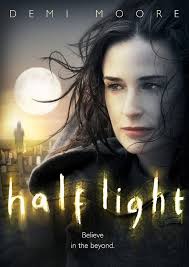
Half Light (2008) – Demi Moore is a novelist in this movie who can’t get over the death of her beloved young son. She blames herself for him to drown to death while she is writing her new novel. The guilt-ridden mother retreats to a coastal village in Scotland, where she experiences supernatural phenomena so tangibly that it all seems too visceral to accept because of the preponderance of the awe. The lighthouse on a deserted island within such a small coastal village serves as a beacon of her spiritual guide, or could it be an alarm for the impending danger? But one thing is confident that the living must let go of the dead because once the soul leaves the body, then the soul belongs to no one, not even in the streams of love’s salty fires. If you really love them, set the departed free.
Stephen King, whose name befits the sobriquet of King of Horror, once said that fiction is the mirror image of reality, sort of an alter ego of the real world. Horror reflects fear that hopes are only a vanity of imagination or, as Thucydides says, a dangerous daydreaming made of bodacious hubris. What if what we think of or see as real is not real but only the likeness of truth? That is Horror, which is all reflected in these movies.


You must be logged in to post a comment.