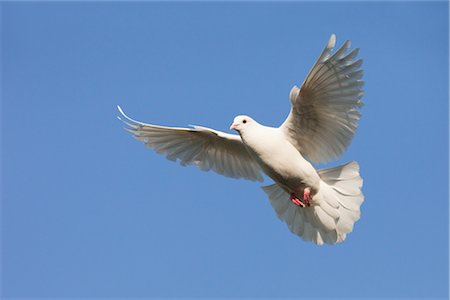
Going to mass every Sunday morning has become a mechanical reflex of programmed biological locomotion ever since I realized that my beliefs were abstract ideals hard to fit in the real world. All those sacraments of the church I learned by rote as a child has become the artifacts of ancient esoteric religion that has turned into institutional paganism itself. In a word, I am on the verge of losing my faith altogether, if not already, still tempted to recourse to the fragments of the belief that I try to reason on my own terms, which I often find hard to win because something such as the message supposedly from the Holy Spirit I randomly picked up yesterday after a mass permanently binds me to the old religion.
I didn’t care much less about Pentecost Sunday when the Holy Spirit descended from heaven filled the hearts of the faithful with messages from God to each different individual. The little bookmark-like cards containing each of Seven Gifts of the Holy Spirit were randomly distributed to the attendants after the Eucharist. The priest said they were blessings from God curtailed to individual needs, never coincidental and ever mysterious. I picked up one that was not what I would like, but that what I had denied. It was not Wisdom, Understanding, or Knowledge that I still crave the most. But it was Piety instead, that not so wonderfully mysterious or romantically awe-inspiring banal word for showing respect for God, the church, and the religious people. St. Thomas Aquinas would rebuke me for my low regard for Piety, but it is rather clerical and prosaic virtue that even the most unlearned would have. After all, absolute obedience to God and the Church was what drew Luther’s bow of the Reformation.
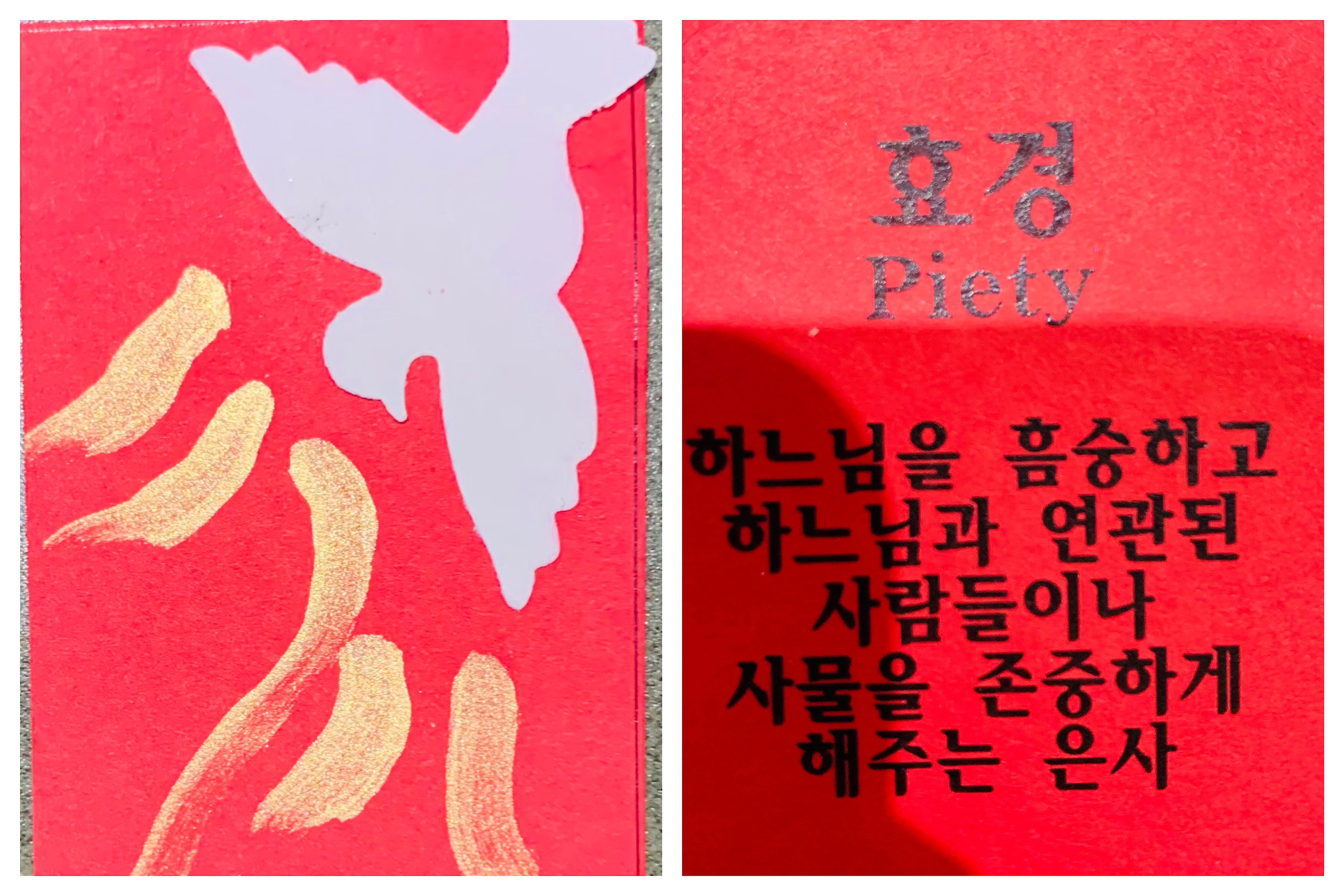
But how could it be possible that my gift from God was Piety amid my own religious turmoil in soul’s dilemma? Indeed, there must be more than a respect for priests whom I think as presumptuous elitists inured to be respected, not accustomed to respect. Piety encompasses dutifulness, fidelity, allegiance, and loyalty, giving the impression of militaristic steadfastness. In my own words, I interpret this augury as indicating patience to endure and fulfill obligations till the ripe time and chance happen to me during my journey to a preordained end. My loyalty then requires fidelity of my consistent devotion to a job, filial duty, and the church by not falling wayside to the current instigation of a rebellious spirit. Am I not being an Oracle of the Holy Spirit?
I keep the card and wonder if it is a manifestation of synchronicity. Whatever and from whom it may be, one thing is sure that reverence for obligations arising from a sense of duty helps your ship’s sailing across life’s undreamed shores and unpathed seas against the thunderous maelstroms in nature’s whimsical and capricious temper. It might be just a random message, but then there is nothing as coincidence because we are made of such wonderful stuff of fire, dew, and spirit. What’s more, if I can use the message as a divine oracle to guide my journey into the unknown tomorrows, then it will be all the more beneficial, just as the people of the ancient civilizations did the same. And I think that is why religion exists.


You must be logged in to post a comment.