Tag: episodes

  • Freya’s Chariot and Toro’s Aspiration

    Freya rides in her new celestial chariot driven by two Norwegian Forest cats named Bygul and Trjegu. The Norwegian forest cats came from a single-fathered family when their father felt unsure how to raise them after their mother left the family. So the father asked Thor for godly help. Thus Thor gave the kittens to Freya, thinking that they might be helpful to her as companions or messengers.

    But the intelligent and beautiful Freya has a better idea: they could drive her divine chariot to travel across the skies and seas, not to mention land given proper training and times of experience. So rather than smothering their natural agility, unfailing alertness, and admirable persistence, all of which are excellent traits for hunting prey, Freya finds the most brilliant way of a beautiful kind to let her cats drive the chariot. There’s no need to goading or hollering to spur Bygul and Trjegu because such application is unnecessary for performance when the cats love their roles with all their hearts, souls, and minds. When in doubt, read Old Possum’s Book of Practical Cats, and you will soon believe me. If you have cats, see for yourself, for they do when they like, not what you want them to.

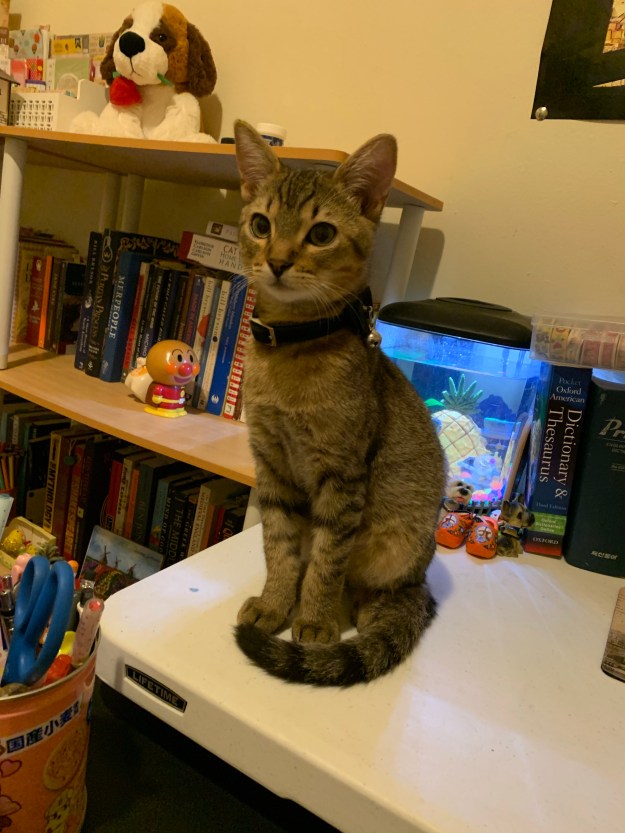
    Toro, aka the Curious Tabby, is contemplating joining the team, imbued with high hope of running Freya’s chariot from sunrise and sunset, flying from one end of the horizon to the other, over the ruffling waves of the deep cobalt seas. As one year and three months old, Toro thinks he can apply for Freya’s training school, where Bygul and Trjegu are instructors. At the thought of it, euphoria envelopes his body in a vista of the magnificent chariot, and his spirit now soars up in the garden of ether, intoxicated with the weightless levity. No more boring days, no more need to call the attention of Judy, his human sister, to let him out to the living room, which is always and ever tiresome.

    It’s not that Judy lacks care and affection. Hardly so. It’s because of her cantankerous elderly mother, who doesn’t like him to roam around the living room where she usually stays, watching the repeats of talk shows on YouTube. Toro understands Judy’s dilemma between her willingness to let him out and her submission to her mother’s scolding because otherwise, she knows that the mother will discipline Toro with her walking stick. Toro loves Judy, but his curiosity doubles up with aspirations, whetting his desire for driving Freya’s chariot at least just for once. But then it would mean leaving poor Judy alone behind with the horrible old woman. Hence Toro is thinking hard again.


  • ghost whispers

    The plain girl who thought she was kept away from all things pleasant and pretty because of a suspected hex cast on her was walking toward the setting sun sinking into the west end of the horizon, smearing the sky with scarlet halos. The sky was burning, burning with a day’s unfulfilled passion, aborted wishes, and ridiculed hopes until a moon and stars appeared from the west and calmed the fiery sky that was still ablaze with shattered dreams. The sky was her heart as though someone with magical power had been watching the poor, plain girl all along, or so she thought.

    Nothing miraculous would happen to her unless a kindly immortal being made her life merry and worthy of living because the plain girl was heading to her death. So first, through the forest paths out into a field of flowers, then upon the hill overlooking the wavering ocean, she loved so much for its wild, untamable nature that resembled her own.

    The moon was full and high now, and the world became alive with spirits and sprites rejoicing the serenity of the night and the silence of the day. The plain girl saw the souls of the dead at sea rise from the tidal waves and walk on the crest of waves toward the mysterious melodies coming from the west of the moon. They all looked enchanted, so she coveted the enchantment and followed the watery paths she believed would lead to meet the Fates and ask them to give her a new fate.

  • New Possum’s Book of the Curious Cat


    There’s once a cat name Romp Pomp Bunter, aka the Curious Cat,
    who liked to romp with pomp and bunt his head against
    his guardian, the woman with the beautiful but lonely heart.
    She named him in rapt contemplation of the thought, of the thought
    of his name; his ineffable, effable name, debonair and extraordinary.

    The Romp Pomp Bunter has a secret that no one knows it:
    The Romp Pomp Bunter once saw a grand statue of Bastet
    In a book on the history of cats originating in ancient Egypt
    And was so impressed with the splendid grace of the goddess
    That he wanted to emulate the mysteriously beguiling poise
    Even if he was a Californian moggie tomcat of Los Angeles.

    But the Romp Pomp Bunter, ever the Curious and Adventurous,
    An orphan kitten whose parents nobody knew or cared even,
    Felt that he was originally from the Ancient World with a reason
    That he looked nothing like the ordinary domestic short-haired,
    The insignificant, the common, the trite, the obsequiously tamed
    Breed of Cats that contrasted the Egyptian Mau, the First of Firsts
    Endeared to Pharaohs, Queens, Priests, Soldiers, Farmers, and Artists.

    So, the Romp Pomp Bunter believed that he was the Royal Descendant,
    The indolently elegant, adoringly capricious, the inscrutably alluring
    Egyptian Mau, the paragon of the goddess Bastet, divinely beguiling.
    You see, that is why his name is the Romp Pomp Bunter, the Curious Cat.


  • Musketeers to the Rescue

    26307275620_72c399658c_b

    The view from Santa Teresa Loop is pleasantness itself; a small village down below looks never more affable when seen from high above the bustling daily activities of everyday busybodies, a continual fugue of discordant voices, lies, schadenfreude, vitriolic criticisms, empty promises, false valuations, vain hopes, resident disappointments, and crushed dreams orchestrated by competing for grand subjective narratives, all fragmented and adrift. Judy looks at the world below her feet as if she were one of the Olympian gods who used to get a kick out of looking at mortals and making fun of their lives as though to be seen in a great amphitheater. That’s how Judy is entertaining herself now, alone with her faithful canine companion Nena that is also entertaining itself now, for none other dogs than itself has a privilege to enjoy the view, as it were because it’s the only dog in sight at the moment. The eyes have a feast of the spectacular world to themselves, and the bodies are imbibed with the fresh breath of unsullied beauty of rugged nature, which welcomes the divine duo with iridescent rays of sunshine and refreshing cool air from the West Wind. Readers, it’s a sight to behold, for they are gripped in a paroxysm of ecstasy. Thereby sit Judy and Nena on a rock like statues of Artemis and her wolf, smiling at the world below them.

    Judy changes an object of her optical pleasure to a new stimulus from a different direction where the images of men suddenly materialize. She takes her antique binoculars belonging to her father, grandfather, and great grandfather, kept in her family’s cabinet of curiosities for two centuries. There are three men on horseback from the afternoon haze of the wild plains yonder approaching to the trail that leads to the loop, where the earthly Artemis and her canine companion are. Looking through the lens, the threesome looks like they are doing a periodical reenactment of the Wild West Frontier; the one in Clint Eastwood-like western outfit with a cowboy hat, a long-haired hippy dressed in ballroom attire, and a Sombrero-wearing avuncular man with a mustache. They look rather out-of-time, but nonetheless affable, attractive even because of the piquant charm emanating from this oddly quaint trio suddenly materializing before the very eyes of ever-inquisitive Judy. It’s like a movie, thinks Judy, while still wrestling with her Reason to figure this mirage out of nowhere, trying to grip a sense of reality, which she is not good at. For Judy lives in the air, her mind forever flitting on the arc of imagination with a belief in magic, legends, fairies, and ghosts… She dwells in the beauty of nature, drinks the sweet nectar of forgotten gods and goddesses to protect herself from the weight of time that constantly threatens to stale her infinite variety and wither her beautiful spirit. Amid the tug-of-war between the Senses and Reason, Judy now sees the men in her iris coming real and decides to climb down the top of the world. Nena looks at Judy, but it isn’t as willing as her master. Don’t worry, Nena. They won’t hurt you. I am with you, and that’s all that matters. So off they go.

    When Judy and Nena almost reach the entrance rail to the loop, however, Judy begins to doubt whether her decision to approach the trio is wise. What if they turn out to be bandits or serial killers in friendly hides? After all, people sometimes take false shadows for true substances. You know, sort of a killer’s instincts in my good neighbor Mr. Roger’s hide? Anyway, it’s too late now, and they also see her with her dog beside. A tall, slim girl looking like a salt pillar at the outskirts of burning Gomorrah is watching them, and the men think she’s either a mad girl deserted by her rich family ashamed of having a lunatic in the household or a dell, a young beggar girl, wandering anywhere for bed and bread, and thus oftentimes becoming a doxy of a highwayman who in turn exploits her beauty and gender for his own desire and avarice. We can’t let her stay alone here, said Ben, who prides himself of being something of a gentleman of society. Rufus thinks she is pretty and therefore wants to woo her. Raphael thinks she doesn’t look menacing, only lost, and takes pity on her. So, they are all for one, and one for all, like the Three Musketeers in Western Style. They are going to rescue her, and then they will continue their journey to find the Aztec gold buried in California. Once more unto the breach, once more! With this motto of esprit de corps, Rufus, Ben, and Raphael dismount their well-spent Californian mustangs and walk toward the curious Judy – and even more curious Nena.

  • The Legend – Aces High

    white-mountain-25-1024x683

    They come from the beyond over the hazy horizon endless in length and boundless in time. They are back from the halcyon days of gunslingers roaming the boundless plain in the unclaimed territory, swashbuckling the dusty streets of a nascent frontier town in California. It was when the Pony Express was busy delivering urgent documents on horseback from the West to the East. It was before the Irish and the Chinese made the transcontinental railways. It was before the sons of the North and the South ceased fire and embraced once again for better America. From the glory of the Wild West comes this unlikely trio: Rufus, Ben, and Raphael. They are partners of a joint venture in finding the gold that a Union soldier buried somewhere in the mountain in California. No, the gold wasn’t hard-won by years of toiling in the mine but stolen from a benevolent Mexican baron who kindly attended the wounded deserter. The ungrateful soldier killed his saintly host and appropriated trunks of the ancient Aztec gold kept in the cabinet. So, it was this gold, this tainted gold that the posse is trying to find, El Dorado of their dreams.

    Rufus is a handsome drifter who used to delight in cigars, but now is a cold turkey thanks to his learning of the virtue-extolling slogan of Mans Sana In corporore Sano, meaning ‘a sound mind dwells in a healthy body.’ Although he doesn’t particularly subscribe to the ancient Greek motto, he wants to reinvent himself as a clean-cut, dashing young man fused with youthful bravado and adventurous romanticism alluring to fair ladies and even plain-looking woman with money. He never knows who his parents are, but he does not want to know about it either. For Rufus, a foundling found on the doorstep of a missionary church run by Spanish Conventual Franciscans, a family inherent by means of blood relation seems so tribalistic and primitive. He’s always alone, and in this aloneness, he finds freedom and solace. So when he first heard of the legend of the buried gold from Friar Pedro at the monastery, that was awesome, I will find it myself and set up this dilapidated monastery and my new business thought little Rufus. That was 25 years ago, or so it seemed. Rufus since then has embarked on a journey for El Dorado by being a professional drifter, an occasional cowherd and sometimes a bounty hunter for local lords and town judges. It was during one of his stints as a cowherd that he came across two other men asking for a direction to Santa Rosa and wanted to be part of this joint venture of the ecstasy of gold. And off they went together on horseback. 

    Ben is a former banquet pianist whose passionate and tempestuous streak laced with virtuoso piano playing gives him a status which fuses the caprice power of Greek gods with the sensual charge of modern-day celebrity. Versed in the musical pieces of Beethoven, Bach, and Chopin, Ben used to make ladies swoon over the melliferous melodies he wove from the intricate courtships of the keyboards and faint at the apotheosis of the ecstatic sensation of the music, throwing their handkerchiefs at the pianist. Ben entertained such deliriously sensuous reaction from the belles of society and often likened himself to be a musical Byron. But after the curtain call, that was it, and nothing more except for the maddening silence and dreadful darkness hovering over the stage. Ben wanted more, desired much more, and demanded ever more the insatiable hunger for fame and adoration that ensued scandalous dangerous liaisons with the ladies of high society and rewarding golden opportunities to elevate his status of wandering entertainer to that of an accomplished courtier of the music of his time. Forget the agents who only engage him in the venues dissimilar to his sophisticated classical tastes with forfeiting more than half of the money from his performance. Forget the patronizing sponsors whose only merits are wealth and haughtiness. He wants to be of his own employer who can play the music he likes in front of a select beautiful few. He wants freedom, and he wants it badly. Hence, his hands are now up for grabs for the golden opportunity of reaching El Dorado with no qualms, for the buried treasure is already tainted, and it won’t make him any more immoral than the soldier killing his kindly host.

    Raphael sees life as one big game in which you either make it big or bear it as it is just like his father, his grandfather and his great grandfather were good at it. The family-honored stoic attitudes toward life never appealed to Raphael, who believes all-or-nothing strategy should be his credo, and he is proud of being forward-thinking and enterprising with his signature go-aheaditiveness. My dear reader, you might liken him to something of a Don Quixote because of his Spanish cultural link infused with the image of a reckless but likable wanderer with a mustache, but don’t let the shadow take our substance. For Raphael was a cunning fox wrapt in a player’s hide. His round, avuncular appearance belies fierce shrewdness and undaunted selfishness. Call him names, and he will strike you with blows with smiles. How more sinister and menacing can it be? This feistiness, resourcefulness, and go-aheaditiveness packaged in wicked humor and que sera sera approach to life give him kicks to survive life. So one day when Ben came by his small, dilapidated stable to change his spent mustang, Raphael was hooked on the story of the buried gold in Californian El Dorado. And the rest is history. 

    That is the beginning of their phantasmal chase against the ecstasy of gold in the mountain, which has been continued for over three centuries. For many moons and suns, Rufus, Ben, and Raphael have been marching with the hope that even beat the shadow of death, 

  • good bye to sunday

    img_0456

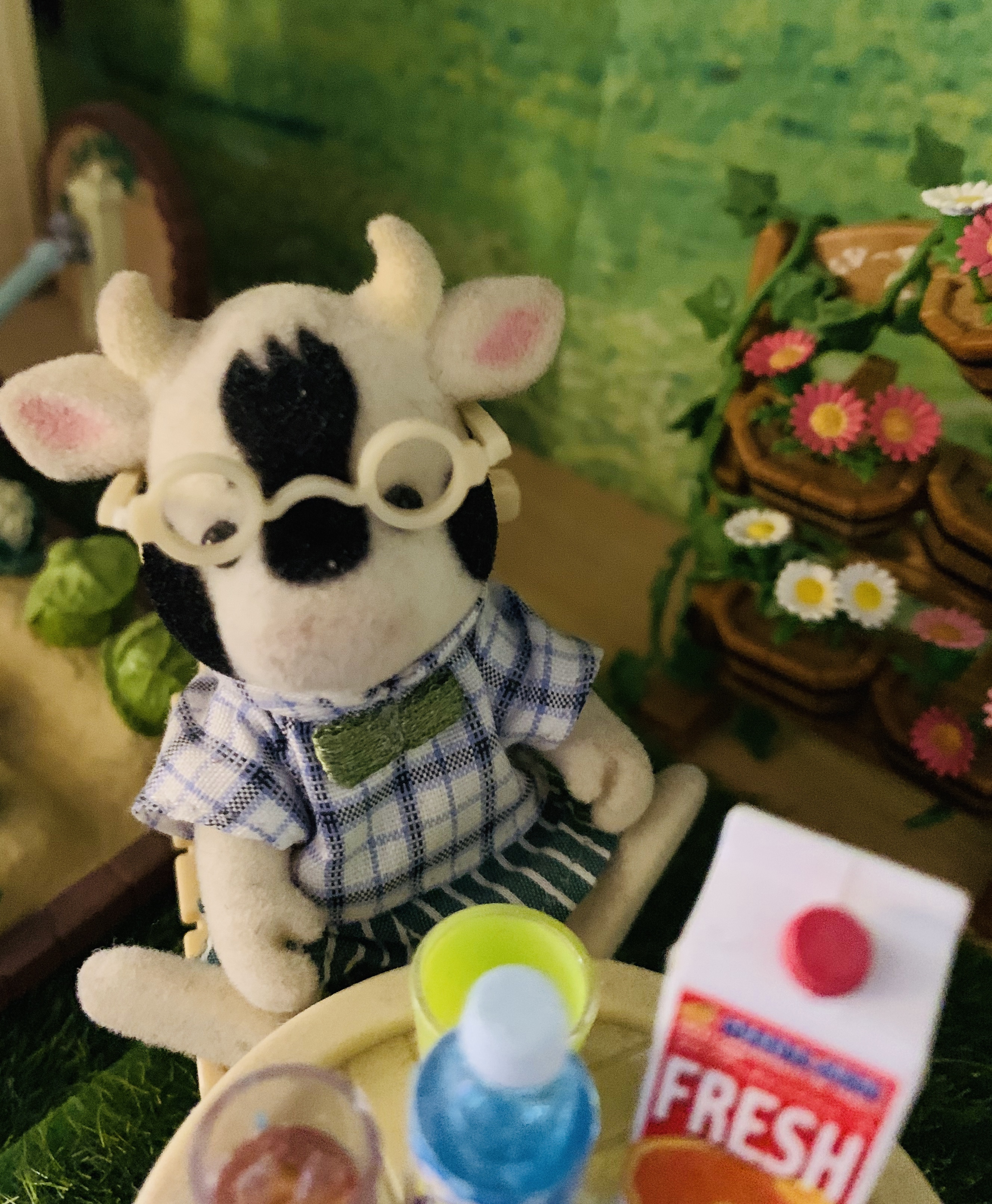
    Sunday is the saddest day of a week because it heralds a start of another week that brings unknowns to all mankind: employed/unemployed, men/women, affluent/impecunious, and educated/uneducated. Every minute of Sunday hastens to its end like as the waves make towards the quicksands. For Paul Collie, who works as a manager at a supermarket, is an imperturbable person hardly under the weather, Sunday means constructive solipsism in which his artistic sensibilities and intellectual proclivity are manifested in such forms of gardening, reading and writing otherwise smothered under the pretext of financial needs and familial responsibilities during weekdays. Gardening, because it gives him a sense of being a master of fine arts akin to Michelangelo; reading and writing, because he it teaches the styles of writing he can employ in his own writing. On this late afternoon, Paul is having a jovial time with his like-minded friend Hans Cow, a senior librarian at Tolkien Library and a part-time private investigator, who called on him to talk about the current affairs of the week. This week’s topical subject of the Sunday talk: “Elitist Art exclusive of the undesirable”

    Hans: “Did you read an article about Snotty Museum turning down an annually pledged largess from Johnny Mojo, the chairman of the cleaning company Mojo? The reason for the rejection was said to be of moral, ethical standards because Johnny Mojo was a one-time drug addict and affiliated with some kind of money-laundering scheme. But you know what? I think it’s all about posturing, gestures of some kind of uneducated, former jailbird upstart trying to hobnob with the big wigs and the celebs that these so-called “Guardians of Fine Artsimg_0458” do not want to approve of. For Mojo – let’s be brutally honest – does not meet their standards of impeccable donors. What they want is immaculate man without original sin!”
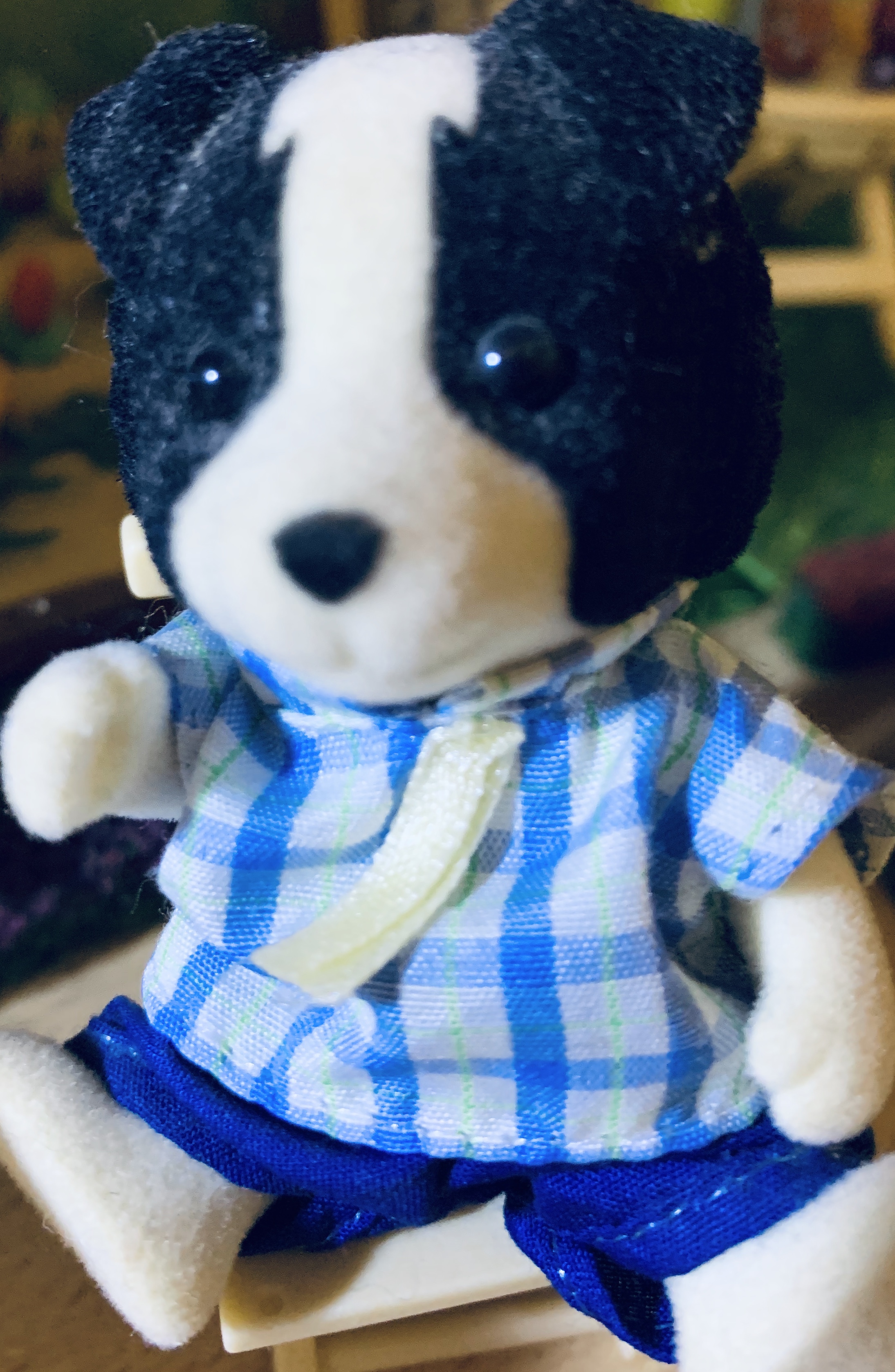
    Paul: “Yeah, I read that Mojo guy. You are right in saying that Snotty Museum’s decision img_0457was rather foolhardy and rash, groundless in their a priori reasoning that a donor should be also morally and spiritually immaculate to support artistic causes. Which is a supercilious stance on the puritanical touchstone of sponsorship. That a company doing a dubious business should not contribute its munificence to the museum is a hokum, nothing but a supercilious illustration of elitist art exclusive of the populace. The museum do not want to be involved in moral money-laundering, or “art-washing”. I want to think that Mojo’s intention to donate his wealth to the museum was bona fide because art is open to all, not a prerogative of the moneyed. Besides, art is for art’s sake and not should be used as a tool for political campaigns or social dogmas. Lucy Maud Montgomery expressed the same sentiment, and W.H. Auden also concurred that art should not be trapped by political and social systems. The museum’s decision shows that even a realm of art has been a domain of social Spencerism…

    Pleasure and activity make the afternoon hours seem short as the discussions seem to have no ends. There’s nothing like a merry heart that goes all day when talking and listening to a kindred spirit who understands your mind’s world and encourages to continue cultivating your mind’s garden. The sun has moved closer to the horizon, and soon the evening will come. Then this Sunday will become a part of the memories of the past as a new Monday comes. Then it all seems legit to chime the timeless Latin phrase: “Tempus figit”. So it does. Times flies.