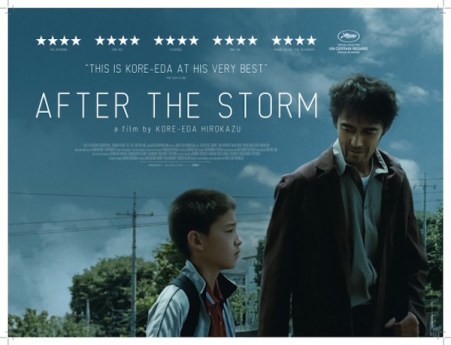
Life reminds me of a Baroque fugue; it begins with the exposition of a short melody, then develops into busy melodies and finally reaches a dramatic final entry in tonic. It is a continuous surrendering of the old and a trust in new beginnings with lots of in-between episodes, intricately interwoven by multiple strands of occasional chances called “luck,” failed expectations, and grace of hopes that creates a curiously riveting toccata. In this film by Kore-eda, Ryota’s life is a ballad of a soft troubadour, who wants to sing a happy song with his fractured but beautiful family.
Ryota, once a promising novelist, now a divorced middle-aged struggling writer, makes a living as a part-time private detective under the pretext of enriching his writer’s imaginativeness for his next best oeuvre. He loves his ex-wife and his son dearly, so he always hangs around them surreptitiously. But he does not understand that how he feels about them is unrequited because he is not in their lives any longer. In fact, Ryota is even unsure of himself, of his reason for writing, and of what he wants to become amid his dwindling writing career and growing distance from his already fractured family. There is a sense of drift in his life, that feeling of emptiness, loneliness, and disappointments, all fragmented in the detritus of broken wishes, unpaid dues, and lost dreams. He has nonetheless a heart of gold, and his humor is his saving grace that helps him get going. Ryota’s life has been in the doldrums for so long that he forgets he has to move forward to get out of the stasis binding him in the longing for bygone days. A stream of pathos oozes out to see Ryota thinking, ‘Who would have known my life would turn out like this?’
Director Kore-eda uses the storm, more accurately a typhoon, as a medium to free Ryota from the memories of the past, from the obsession of his past, in order to give him a new meaning of life, will to meaning. Kore-eda does a beautifully nuanced job of capturing the innermost feelings of the characters without elaborate lines or super-abudance of emotions throughout the scenes. It is a Japanese film, but the sentiments and judgments of the characters are rendered communicative to the hearts of the universal audience.

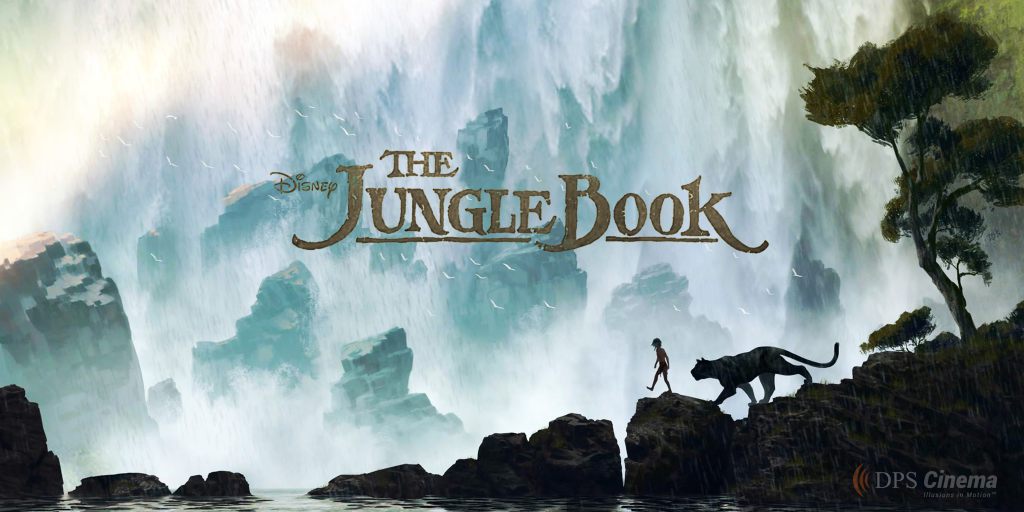
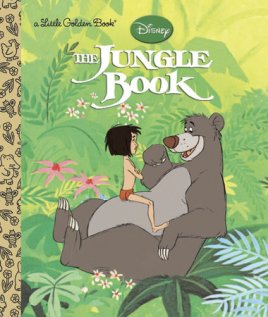 Given the authenticity of the storytelling aligned with the original context by Kipling and the performance of the characters studded with breathtaking scenes of nature so characteristic of Disney’s creative imaginativeness, it is a film worth of the spending your time on screen. It is a kind of film that stimulates your mind by inviting you to think about a meaning of our human life and existence and of our purpose of life. It will also thrill your heart with the adventures of Mowgli in the heart of the jungle and the stereoscopic views of the nature on screen created by a wonderful collaboration of our timeless human imaginations and 21st century feats of technological bona fides.


You must be logged in to post a comment.