 The Alpine Path: The Story of My Career by L.M. Montgomery
My rating: 5 of 5 stars
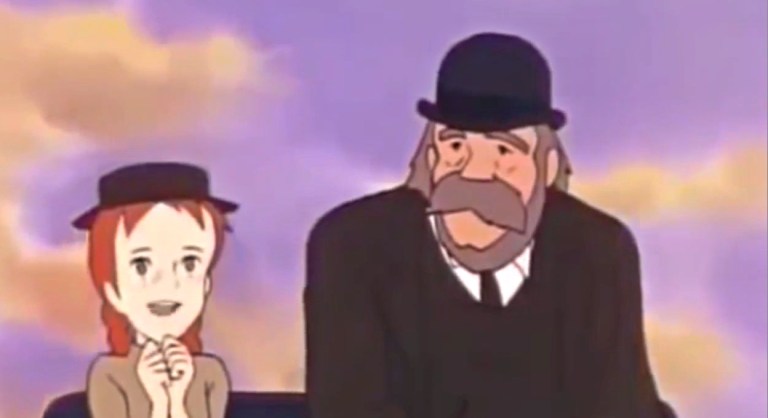
As one of millions of readers in the world who have loved Canada’s most famous red-haired Anne of Green Gables in books, films, and animation, I have always admired Anne’s creator, Lucy Maud Montgomery’s choice of words and illustrative descriptions of characters, things, and situations that make the story at once vivaciously realistic and fantastically romantic. Naturally, when I came across this book, I knew I had to read it with a heart to find out more about her life written by herself.
The Alpine Path is her autobiography, originally published as a series of essays in the Toronto magazine Everywoman’s World in 1917 at the request of its editor to write about her writing career. Montgomery found it odd because she did not think it as a “career” but something of a niche where she would always find comfort, happiness, and life itself abounded with the memories of beautiful Prince Edward Island whose chaste and restive loveliness was unsurpassed. Added to her natural affinity for words was her incessant diligence in practicing writing on a daily basis. Her topics of writing ranged from scribbling her thoughts and feelings to biographic accounts of her cats and critical book reviews.
Of all her fortes that enabled her to arrive as a writer, it was her indefatigable will combined with commendable perseverance and brilliant imaginativeness, all grouping around her indomitable aspiration to become a writer, as discerned in her narrative. Montgomery believed in herself and struggled in secrecy and silence by making writing activities strictly private because deep down, under all rejections, discouragement, and rebuff, she knew she would arrive as a writer someday.
What makes Montgomery’s books entertaining and approachable to readers of all ages are her ideas of a good story that consists of the following components: (1) absence of a moral undertone in a story lest it should be a didactic textbook or a fable devoid of literary merits and entertaining quality because literature should be “art for art’s sake and fun for fun’s sake”; and (2) use of imagination, which is a powerful tool to create a world of make-believe, based upon studying people and observing scenery in life to render realistic feelings to the imaginary world of fiction. To Montgomery, making use of the real to perfect the ideal is what gives to art its true meaning.
To illustrate, the famous liniment cake episode that happened when Anne made the selfsame cake by accident for the parson and his wife was based upon her own experience as a school teacher in Bideford boarding at the Methodist parsonage there; the parson’s wife mistakenly put liniment in a cake, but only the parson himself did not recognize it. Also, while working as a reporter for The Daily Echo in Halifax, she was often asked to write up a society letter when it was not sent by the requested lady of high society. Montgomery used her wide scope of imagination by writing such a letter as if she were the lady of high society, which gained popularity from readers.
As Benjamin Franklin once said, “Heaven helps those who help themselves,” Montgomery’s unyielding will and diligent practice of writing every day were the sine qua non of her meet reward as a successful writer. This charming autobiography is a must-read for not only fans of her books but also those who love writing and cherish in secret the thought of becoming writers. Furthermore, those who are struggling to rise above the planes of biological, psychological, or sociological inhibition through what means they deem inspirational and meaningful to achieve will find a kindred spirit in this book. Montgomery encourages her readers to climb up the alpine path so steep, so hard that it will eventually lead to the height sublime as she once did.


You must be logged in to post a comment.