Tag: Nature

  • cathedral of forest

    She, with her wings clipped in shackles
    Sees the light above the high altar
    Through the dusk of leaves and boughs
    Beneath the dome of boundless skies
    Without spires and stained glass within.


    But why else when nature has it all
    Sermons in trees, brooks, and skies?
    From the haunt of life’s vicissitudes
    rests herself under the pillars of trees
    As the choristers of hummingbirds begin
    The hymns of hope in nature’s cathedral.

  • Emerald Dreams

    There is a sky in the eyes
    Sparkling with sweet stars
    Made of fire, spirit, and dew
    Swirling in liquid emerald hue;

    There are secrets of the universe
    Across the oceans of galaxies
    Farthest into the unbeknownst
    One world more to the loneliest;

    There is an alchemy of a wizard
    Inside the magical windows
    Unlocking the magic beyond,
    Revealing the wonder inside.

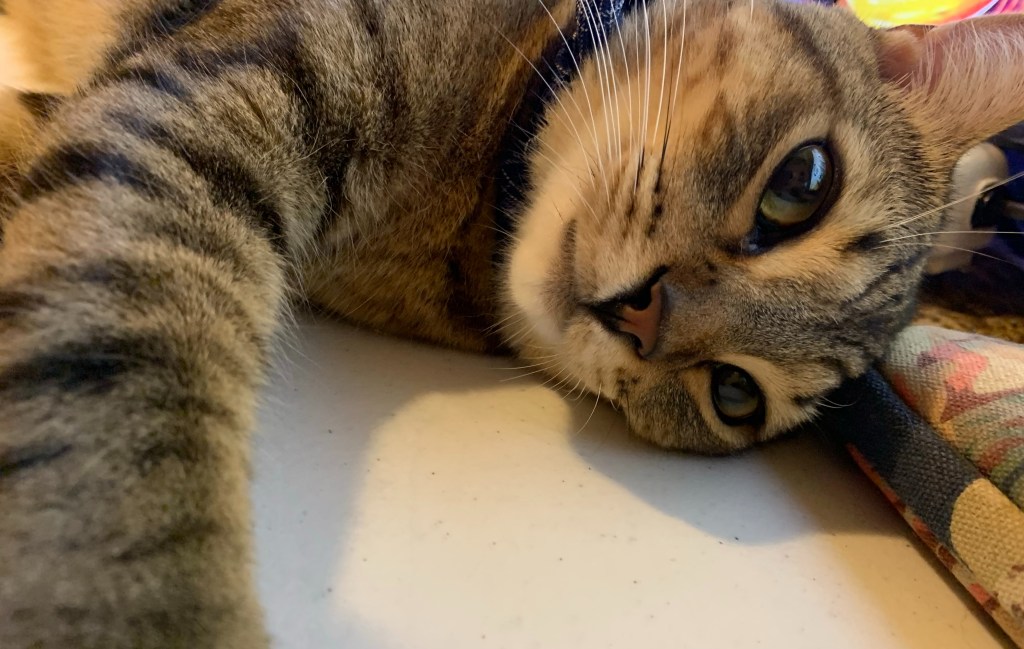
    P.S.: This little poem is written as an ode to my fourteen-month old cat Toro in celebration of one-year anniversary of his adoption from a shelter. When I look at his large light green eyes, I see a world of his own composed of stars, moons, and suns – all in the mystery of the unknown galaxy far away from the end of the farthest known star. As George Orwell referred one man’s death to a condition of one world less in the whole universe, my living with Toro means a cosmic show of birthing another world of stars from a beautiful emerald and diamond supernova.

  • St Francis and the Wolf of Gubbio

    I have recently read an article about how the prosperous presence of wolves reduces the number of deer road-kills because their very predatory sense intimidates their prey, one of which is the deer. Fewer traffic collisions mean fewer government funds to spend on the aftermath of car and traffic accidents from animal crossings. So far, so good. But what about the resolution about protecting livestock from wolves, which has become an economic issue disturbing the farming community? So here are my small suggestions that I deem mutually benefitting people and wildlife by virtue of Charity, Faith, and Hope.

    The article continues to support recolonization that the reduction of traffic collisions resulted in economic gains, which outweighed the costs of livestock losses by nearby cattle ranchers whose livelihood feels threatened by their lupine marauders. I remember reading newspaper articles and tweets about ranchers in Washington that the multiplication of wolf population engendered their livelihood and that clamoring for lupine rights outright disregarded human rights to make a living. When I commiserate with the woes of the ranchers at the same time, and also hope best for the great grey wolves, my mind’s eyes see the visceral images of the Maasai in Tanzania and African lions living in co-habitation. The Maasai find the most cost-effective and nature-friendly way of guarding their livestock against the lions by establishing chain-like fencing supported by the thorny African myrrh trees. I am sure the American contemporary can take cues from the Maasai and adapt them to their environment.

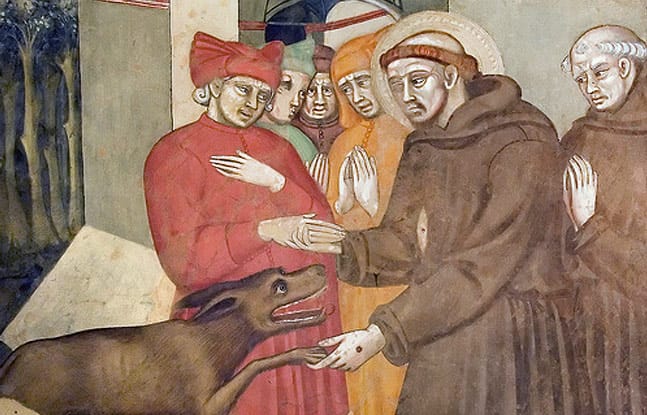
    I like wolves for their commendable fidelity to spouses and respectful sense of a society that emits from their majestic composure. I also admire the fortitude of cattle ranchers who are vigilant of the livestock their families subsist. Both beasts and men have reasons to live for and kill for. Yet, there should/must be a way of satisfying the needs without losses. Indeed, the medieval Italians knew exactly about the problem, but no more understanding and effectively than St. Francis of Assisi in meeting with the Wolf of Gubbio. Francis admonished him for his terror of fear over the people and made a pact with him publicly at a popular marketplace that if he ceased his predations, people would feed him from their very doors. The Wolf put his paw in Francis’ hand as a gesture of agreement, a sort of beastly hand-shaking. Can I make a wish for the miracle once again in my time? I believe I can, if they or we want to, for sometimes we as part body and part spirit can do beautiful things together.

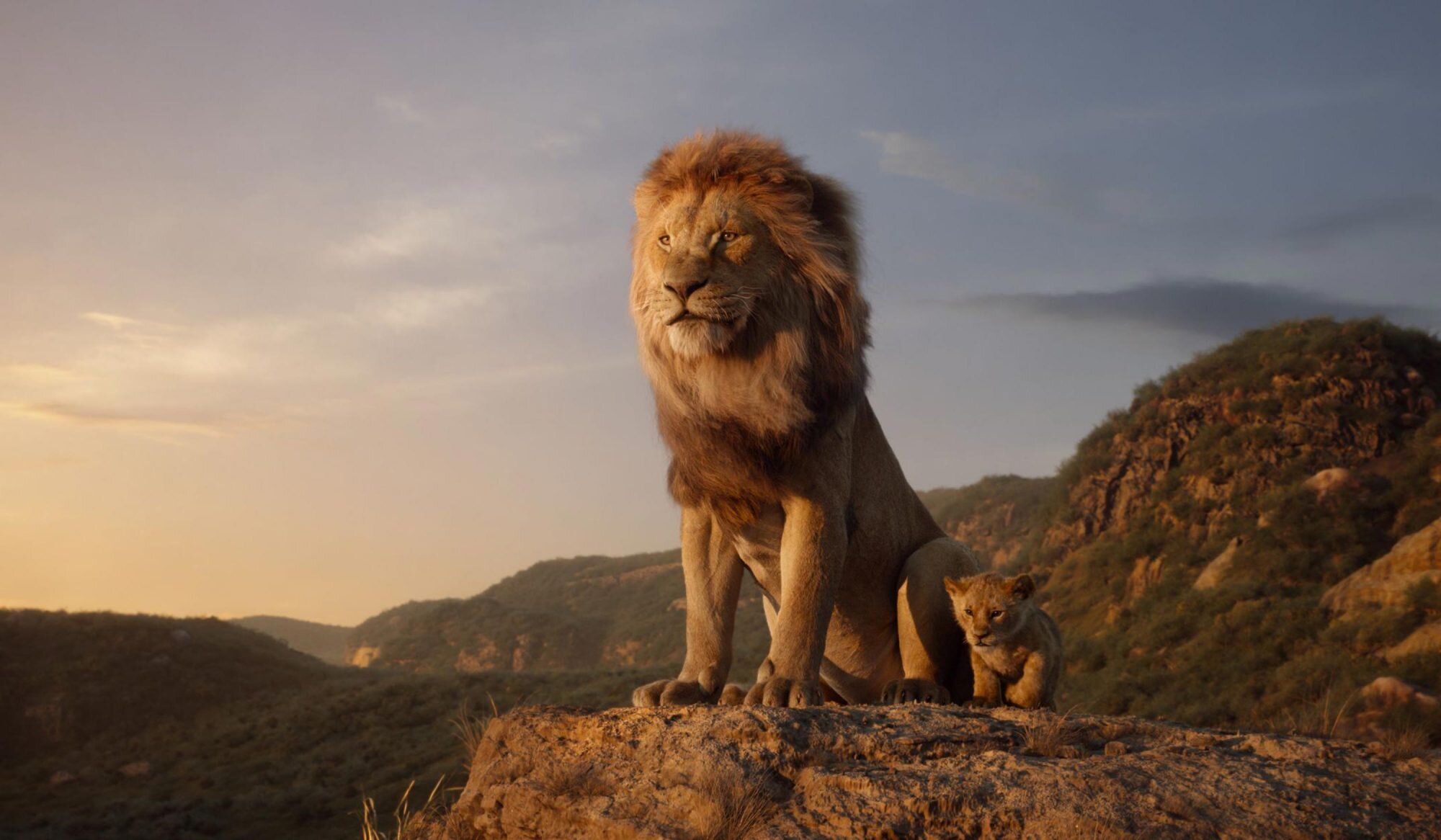
  • Hakuna Matata! ‘The Lion King’ (2019) – film review

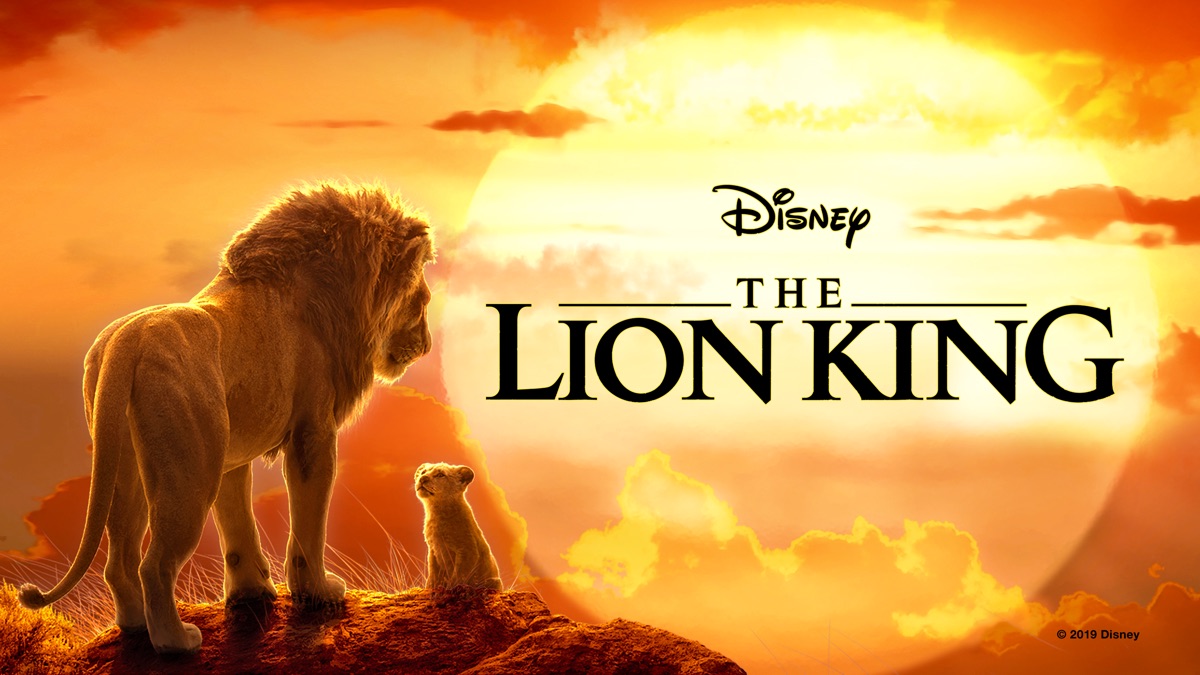
    Whether animated or dubbed, good movies are conversant with more delicate tissues of conscience and spirit than others replete with vehement manifestos. I am talking about ‘The Lion King’ (2019 film),’ that is. It is a wholesome movie with simple adages of friendship, love, patience, and courage—only the more vividly alive and visually superb with the Cute factor. The film is also what Plato says in the Republic, a work of art that best imitates the objects and events of human life, a good entertainment.

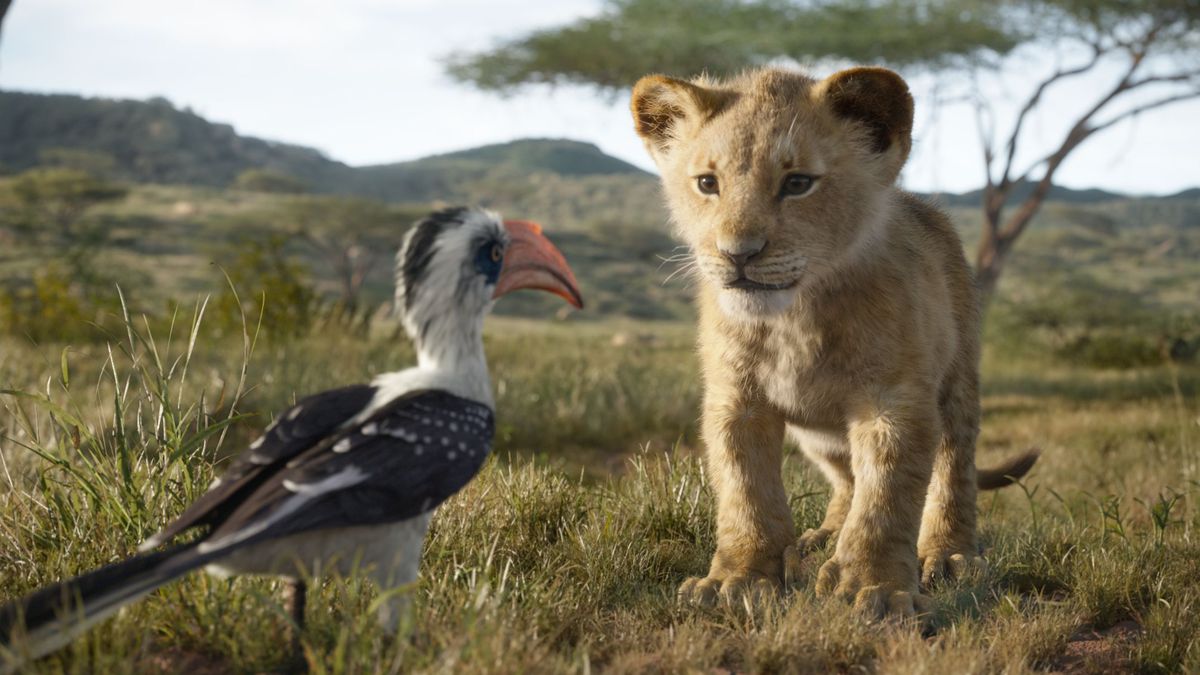
    The a priori reasoning is sometimes apt, and so was the movie. I admit that had it not been for the cute Simba’s face in the movie’s advertisement on my newly subscribed Disney Plus channel, I would have passed it. Besides, living with nature in the form of thirteen-month-old tabby cat Toro at home perfected the inclination to watch it. What captured my eyes most was the realistic animals and landscape that rendered undoubtful verisimilitude of natural wildlife in Africa. It’s a hybrid of the 21st science and timeless imagination that created the world’s awe-inspiring symmetrical view of natural beauty in cinematography. Contrary to unwelcome and acerbic opinions about the movie for its lack of fluid emotions and spectacular action scenes, I find it genuine and honest. It illustrates the natural habitats and habits of the animals in the wild as authentically as possible, which may seem less than what today’s audience inured to gratuitous special effects and outpourings of dramatic gestures. However, nature is simple, and Leonardo da Vinci saw it as the ultimate sophistication of beauty.

    If Aesop’s Fables are the ancient Greek’s way of teaching morals or virtues to people of all ages, this film follows the tradition of teaching the good in the audience’s hearts. There are four types of love subtly construed as thematic subjects in the movie: (1) Eros – passions between lovers; (2) Philia – friendship; (3) Storge – love between parents and children; and (4) Agape – humanity. Furthermore, the Homerian code of honors that Simba and his father Mufasa possess and the eponymous virtue of arete consists of moral integrity and physical finesse. The goodness described above incarnates in the pride of the lions and alludes to human characteristics laid bare in the majestically untamed landscape of the Pristine Wild.

    ‘The Lion King’ (2019 film) is thought-provoking and entertaining. Plato, whose view on the best of art as the best imitation of the physical world, would approve of this film as a wholesome entertainment in the constellation of the great minds. But, notwithstanding his approval, the film is worth watching when you feel lonely and need some pick-me-up spirit with smiling cheer. After all, a good mood in the buoyancy of a cheerful soul with hope for an uncertain future is what makes our lives pleasant. Hakuna Matata!

  • the wizard of rain

    The wizard of rain, the knight of nature,
    Goes to the hill in the twilight of the dawn
    With a falcon sitting on his right shoulder
    And rising to the virgin sky before a new sun
    in search of the meadow where a moon was drawn.

    The wizard of rain, the collector of wonder,
    Gathers dewdrops from the fresh frost of grass
    Into a crystal bottle and reads his grimoire
    As the falcon flaps his wings in the air
    And brings the forces of nature in abundance.

    The wizard of rain, the wondrous sorcerer,
    Calls the names of gods, demons, and angels
    Wielding his wand in a symphony of nature
    Amid the swaying leaves of the grass and trees,
    All in harmony bringing rains from the sky.

  • ‘I Belong Here’, by Anita Sethi – Book Review

    To tell a story within you is an expression of yourself, an affirmation of your identity, in an expanse of will wielded by the spirit of freedom. Storytelling is, in fact, a way of logotherapy that helps you find meaning in life from your daily tasks to your traumatic experiences by sublimating the pains of the heart to the blessings of the spirit, in the realization of Amore Feti. In this book, Anita Sethi shoehorns her experience of racism in England into a rivetingly ingenious travel memoir in the spectacle of a beautiful natural landscape where she belongs.

    Her narrative has a lyrical quality with a poet’s rhythm that reminds me of a Portuguese Fado song. Her words sing her story of an uneasy love relationship with her own country into a continuous fugue of love, betrayal, loneliness, and friendship vested with her experiences with people and nature. It is at once dolorous and enchanting as if to listen to a mysteriously elusive melody hummed by a ghost of a sad maiden who died in brokenheartedness. Yet, this doesn’t mean Sethi is a ghost damsel in distress bemoaning her betrayed love. She is a warrior who chose the pen to vindicate her attacker and other minor offenders of her South Asian ethnicity as a way to overcome her fear and anxiousness, arising from her ashes like Nietzsche’s noble phoenix.

    Sethi’s narrative then becomes a eulogy to the natural landscape of Great Britain; she finds an elbow room, a niche, her library of wonder. As Shakespeare pointed out, nature is exempt from public haunt, finds good in everything. It is a grand luxurious spa free of charge to all, although that is not always tainted by the malice of incivility on the part of humans. However, Sethi, in her story, asserts that no one can take away her right to belong in the beauty of nature and the country she regards as a home and proclaims her self-identity by telling her personal story incorporating the words into the images of British mountains and forests, exempting her from a malady of social ills and elevating her to the citizens of the Universe.

    The book is an excellent bedtime fellow when you want something thoughtful but not burdened with elements associated with scholarly apparatuses. The narrative is flowing melodiously, and the author’s spirit is within the texts, full of emotions but nuanced in her infatuation with the beauty of British landscapes that provide her with holistic healing power. They say you don’t protect what you don’t care about, and you don’t care what you have not experienced. To appreciate the value of this book doesn’t mean you have to be of a particular ethnicity, gender, or race. As long as you have taste and judgment universal in all humans, especially with a strong sense of empathy and a lover of nature, you will find her story alluringly gripping and feel her pains and loves as if they were your own.