Tag: thought

  • ‘Phonecian Civilization: A History from Beginning to End’

    Phoenicians were more than smart ancient people who ruled the Mediterranean before the grandeur of Rome took over the world under the sandals. They were brilliant seafaring merchants, navigating the open waters with the direction of the Polaris, the occupants of Canaan, the biblical land of honey and milk, the high-end manufacturer of Tyrian purple, and the inventor of the alphabet. They were adventurous and impetuous, wild and civilized, just as Dido, the queen of Phoenician Carthage, was to Aeneas and General Hannibal to his Roman enemy force.

    As aforesaid, Phoenicians were Canaanite of Semite groups that shared the same cultural and linguistic roots with Jews. Interestingly, Phoenicia was not a single country but a confederate of city-states located along the eastern Mediterranean Sea, comprising modern-day Syria, Israel, and Lebanon about 3,000 B.C. Phoenicians sailed across unknown seas of antiquity, always bringing seeds of vine tree with them to sow them on foreign lands, propagating the bliss of wine everywhere they went. So they went to North Africa and established their city-state called Carthage, located in what is now known as Tunisia, and planted vine trees producing melliferous wine. Perhaps it’s the aura that the land of vine trees infatuated Aeneas, a Trojan prince, destined to become the founder of the Roman race, in the person of sultry queen Dido. Sure, Dido was a Baal worshipper. So was Hannibal because Phoenicians regarded Baal, the dignitary in the circles of hell, to Christians, as the god of fertility and weather, with El, the father of all gods, and Astarte, the progenitor of Greek Artemis and Aphrodite. Moreover, human sacrifices of children during natural disasters or wars were performed, while sacred prostitution to honor their gods Adonis and Astarte, just as Babylonian women did in the temple of Ishtar. It seems that except for the Jews, the ancient peoples from the Middle East, near the Middle East, and the Mediterranean seem to regard physical pleasure as the essential component of euphoria that accounted for sacred ecstasy in the worship of their deities.

    Such is my impression of ancient Phoenicians whom Alexander the Great couldn’t even dominate. Romans destroyed Phoenician city-state Carthage, after which it was said that a priest cursed Phoenicians, sprinkling grain of salt on the conquered land, lest they arise again, evermore. Whether it was true, the curse proved not as effective as the Romans wished because the Phoenician legacy continues in the form of cultural influence as aforesaid.
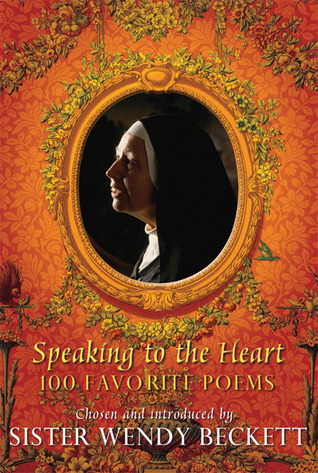
  • Sister Wendy’s lovely ‘Speaking to the Heart: 100 Favorite Poems’ – book review

    Speaking to the Heart: 100 Favorite Poems by Wendy Beckett
    My rating: 5 of 5 stars

    Sister Wendy was an erudite and delightful cloistered art historian in a veil who knew that Poetry is a song of the heart from a mind spring of sense and sensitivity, not to be burdened with a weight of reason. The result is a lovely apple-picking of her favorite poems in her pretty poetic orchard to share the beauty with the universal reader whose heart intoxicated and the spirit exalted in ethereal ecstasy. Her selection of poems manifests the finer tissues of her heart and the higher octaves of her spirit. Reading the entire book creates empathy for the sensitive minds of the poets so physically poignant that the reader senses the pain and the longing of the poets vis-à-vis.

    Sister Wendy, also known for her long-time BBC documentaries on the history of art, speaks her heart through the poems of her choice colored in the spectrums of human emotions, ranging from longing to wonder, hope to sorrow, and anger to love. Even the subject of Faith becomes alluring due to Sister Wendy’s magical transformation of the matter into fairy-like ideation with sensually diaphanous wings as pagan as could be. Her interpretations speak on the poet’s behalf as an individual soul at the utter solitude, not as a literary artificer whose achievement merits the name in the canon of literature. In doing so, Sister Wendy brings out the poet’s true sentiment under a forage of words and shines her mystic perspectives on the poet’s reading in a splendid but straightforward way.

    The reader will find famous, not-so-famous, and obscure poems from Elizabethan England to 20th century America in this lovely book. Sister Wendy is both discriminating, and non-discriminating in the human emotions poured into the world of poetry. She is discriminating in the sense that she has a “Third Eye” that sees the poet’s soul and understands the sentiment nuanced in the poem, including wrath and despair, poisons to the mind. Non-discriminating in a way, she values poems spirited in the heroic but straightforward endurance of existential malaise in everyday life written in the plebian language. From Shakespeare’s ‘Fidele’ to John Harris’s ‘Feral’ and many more, the reader will feel ennobled to walk the gardens of the poetic Elysium with Sister Wendy introducing you to each of the poets’ greeting and smiling.


    View all my reviews

  • A perfect cat owner?: confession of a novice

    I remember watching the cat guru Jackson Galaxy’s post on YouTube about a prison where a group of inmates is assigned each cat for mental and a behavioral correctional program. The inmates seemed calm and content just as their foster feline friends reflected and talked of the amazing effects on their hearts hardened by the world never kind to them. The images of a condemned man in a cell and a homeless cat from a shelter became a beautiful impressionist painting with an air of serenity wrapped up in the soft sweet twilight colored by the warm hues of pleasantness that filled the canvass and stayed in the heart of the beholder – forever. The loneliness cut in halves transformed into togetherness, and there was nothing else but the mutual need for love and care. With the picturesque imagery engraved in my heart’s shrine, I cannot help but question the generic prerequisites for being an ideal cat owner indoctrinated by those professing to know things about pets. The doctrines of a perfect cat owner are as follows: you have to live in a space wide enough for her to exercise her natural hunting instinct, to have another cat to prevent anxiety, aggression, and loneliness, and most of all, to be a near-perfect human full of love and understanding blessed with material means to satisfy the need of a cat to the extent possible. The protocols remind me of eugenics elements by which only the best males and females can produce offspring desirable for humankind. Only the superhuman race can fall in love, beget children, and raise them to be perfect in physical and mental attributes to continue the Superhumanity. On the same token, being an ideal cat owner is to be an ideal person who deserves love from nature because of his ideally perfect being—quite the Nietzschean idea of Superhumanity. 

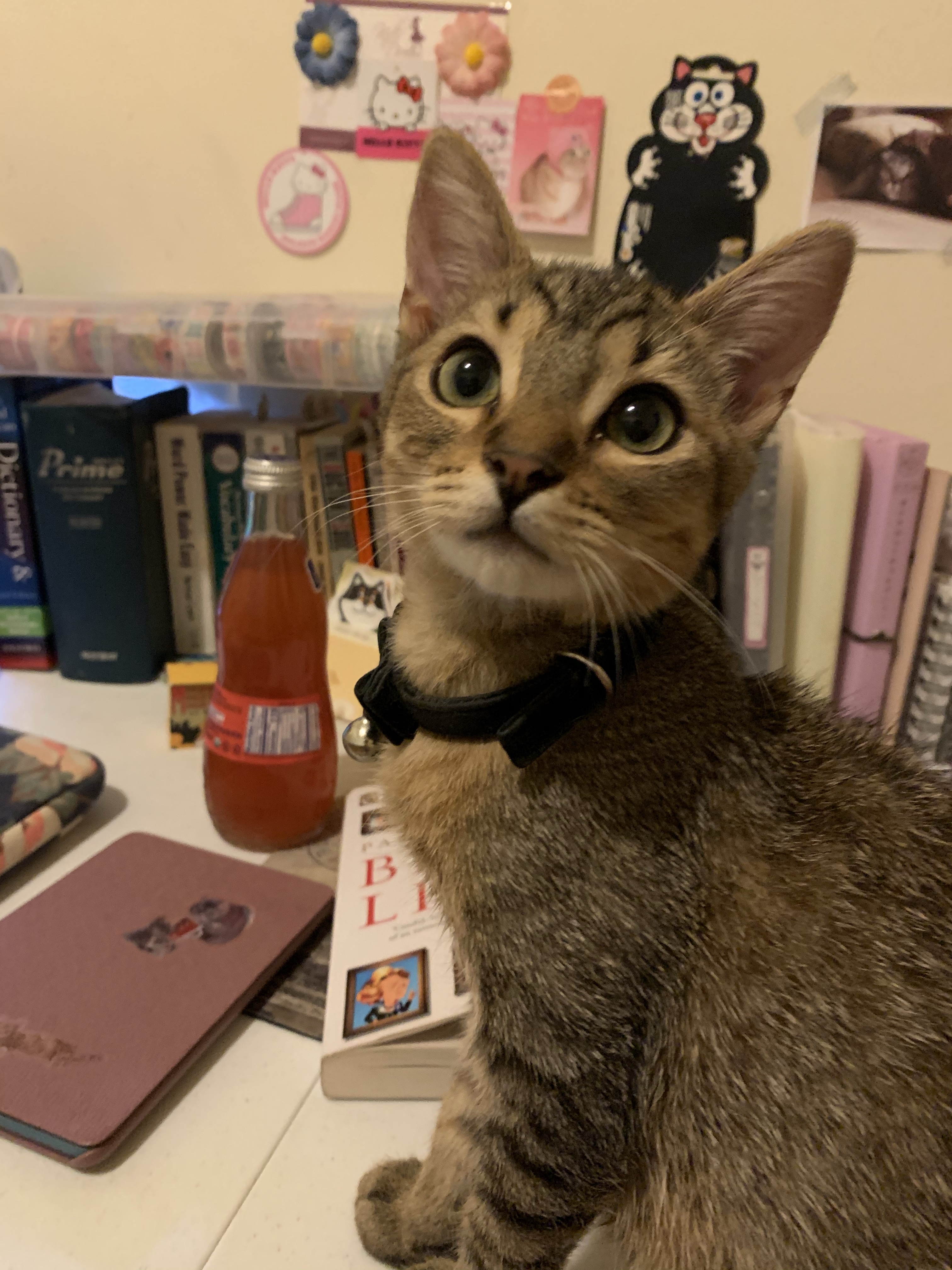
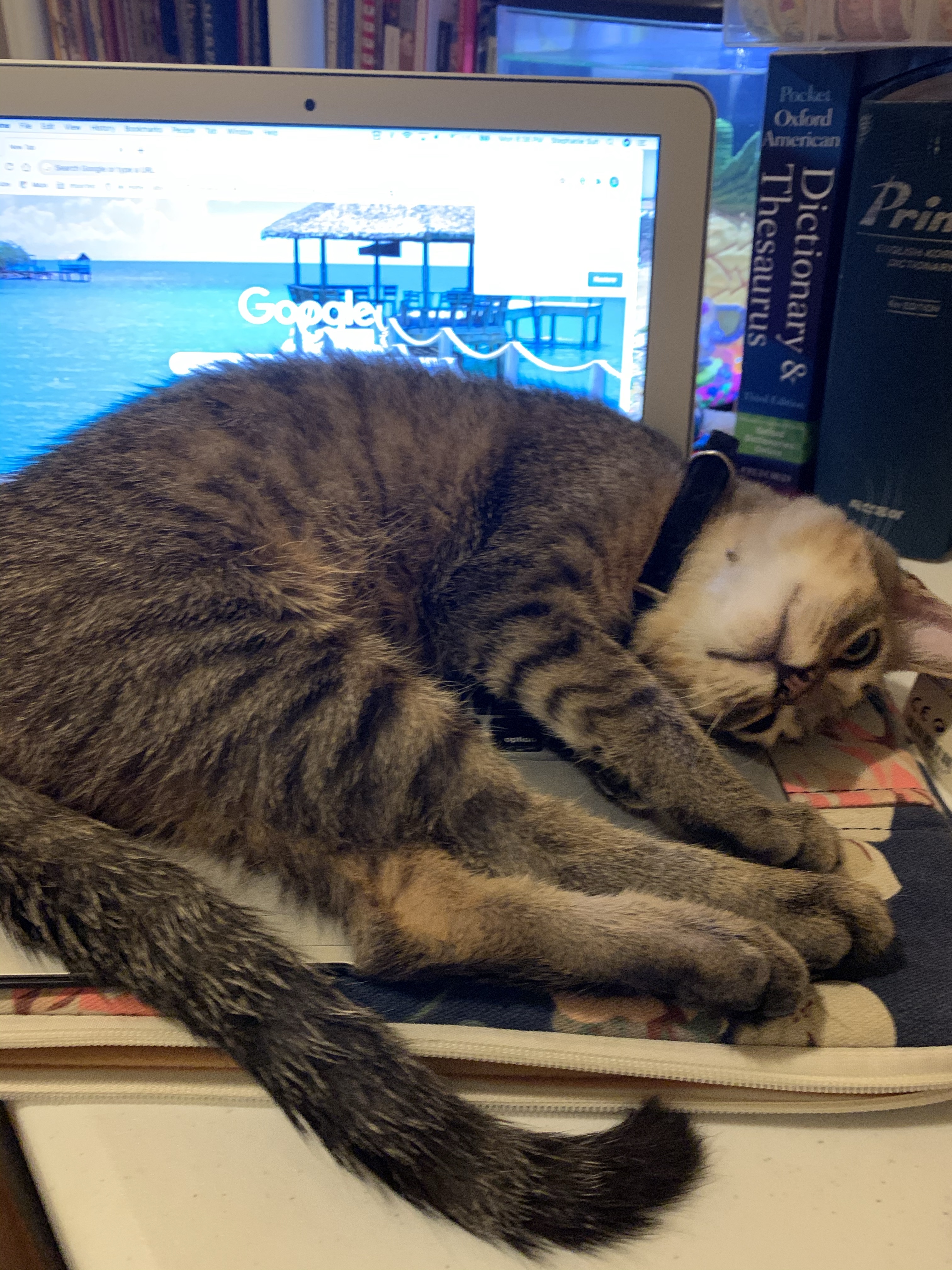
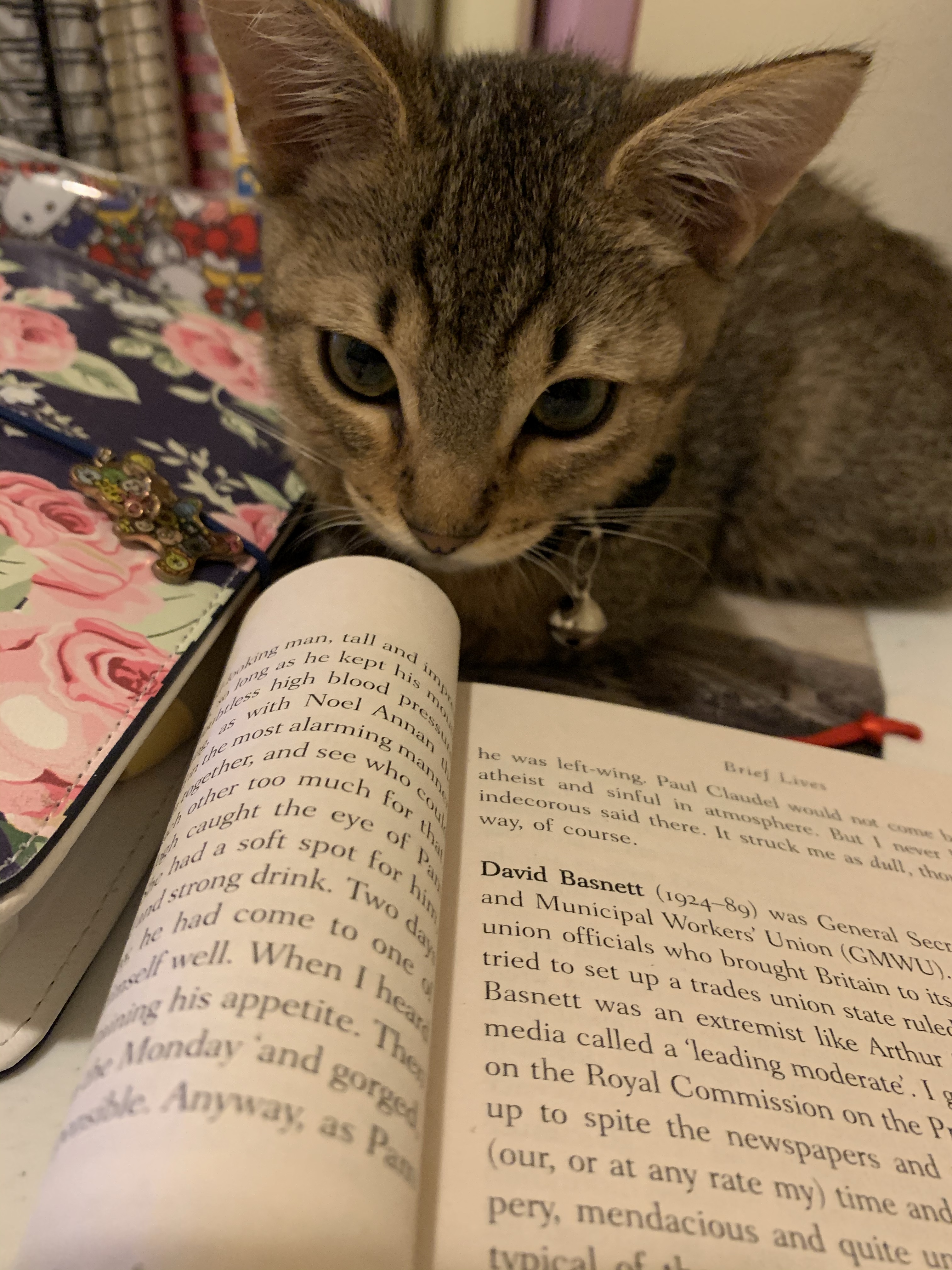
    An ideal cat owner’s doctrines align against the condemned man’s images and the homeless cat in a cell. Then I also look at my 4-month old tabby cat Toro, whom I adopted from a shelter three months ago. Is he unhappy with me in this tiny apartment room? Is it because of boredom and separation anxiety doubled with a significant change of environment from pastoral life to city life that has driven him to a sudden pulsing and biting my hands and feet? Does he hate me because I leave him at home all day long with a mother who hates him when I go to work? Does he want to leave me and be adopted to a loving, perfect new owner because of my imperfection? Am I less qualified than the inmate to have a cat altogether? The thoughts smothered under the ineffective veil of forced positivism have reached the point where they can no more bear the suffocation and begun to erupt the lavas in the fiery magnitude.


    As a first-time pet owner, I like to think that it is not a coincidence but Providence that Toro has come to my life because he was the only kitten who came to me and my brother bunting his little flurry head against our hands through the cold metals of the cage in the shelter. Toro and I are much alike in many aspects: leisured time in seclusion, uncompromising individuality, insatiable curiosity, innate sensitivity, and unfailing feistiness. We also instinctively know each other’s mood because when I am dejected, Toro studies my facial movements and comes nearer to me with those adorable eyes filled with liquid warmth. Then I look at the cute little Toro before me and think that genuine love and care transcends the high walls of a grim prison and eclipses the roof of a perfect happy house. There is a home sweet home for me and Toro in my tiny apartment.

  • wordcraft

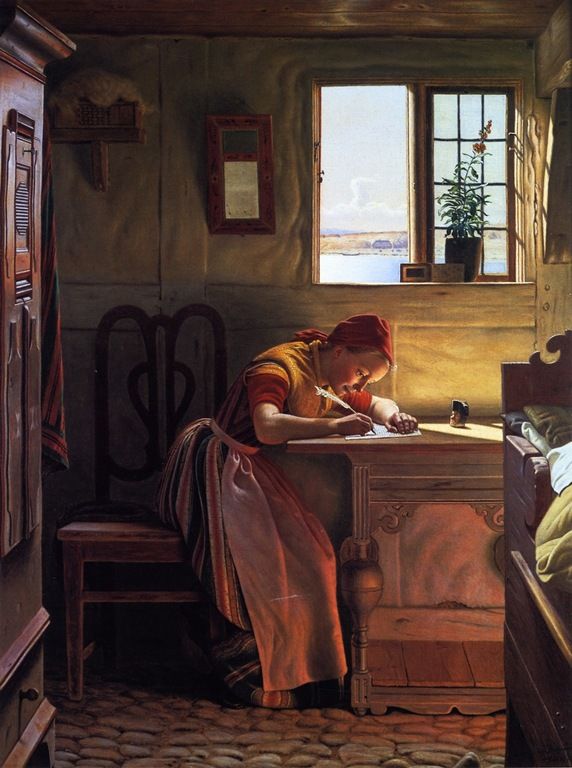
    bb1365364f6181f4549ba13399268591--charcoal-art-writing-letters


    To write with an eager spirit summoned
    On all the consciousness there conjured
    And put a pen to paper in ponderations
    On all the various visions and views.