Category: Novellas

  • Musketeers to the Rescue

    26307275620_72c399658c_b

    The view from Santa Teresa Loop is pleasantness itself; a small village down below looks never more affable when seen from high above the bustling daily activities of everyday busybodies, a continual fugue of discordant voices, lies, schadenfreude, vitriolic criticisms, empty promises, false valuations, vain hopes, resident disappointments, and crushed dreams orchestrated by competing for grand subjective narratives, all fragmented and adrift. Judy looks at the world below her feet as if she were one of the Olympian gods who used to get a kick out of looking at mortals and making fun of their lives as though to be seen in a great amphitheater. That’s how Judy is entertaining herself now, alone with her faithful canine companion Nena that is also entertaining itself now, for none other dogs than itself has a privilege to enjoy the view, as it were because it’s the only dog in sight at the moment. The eyes have a feast of the spectacular world to themselves, and the bodies are imbibed with the fresh breath of unsullied beauty of rugged nature, which welcomes the divine duo with iridescent rays of sunshine and refreshing cool air from the West Wind. Readers, it’s a sight to behold, for they are gripped in a paroxysm of ecstasy. Thereby sit Judy and Nena on a rock like statues of Artemis and her wolf, smiling at the world below them.

    Judy changes an object of her optical pleasure to a new stimulus from a different direction where the images of men suddenly materialize. She takes her antique binoculars belonging to her father, grandfather, and great grandfather, kept in her family’s cabinet of curiosities for two centuries. There are three men on horseback from the afternoon haze of the wild plains yonder approaching to the trail that leads to the loop, where the earthly Artemis and her canine companion are. Looking through the lens, the threesome looks like they are doing a periodical reenactment of the Wild West Frontier; the one in Clint Eastwood-like western outfit with a cowboy hat, a long-haired hippy dressed in ballroom attire, and a Sombrero-wearing avuncular man with a mustache. They look rather out-of-time, but nonetheless affable, attractive even because of the piquant charm emanating from this oddly quaint trio suddenly materializing before the very eyes of ever-inquisitive Judy. It’s like a movie, thinks Judy, while still wrestling with her Reason to figure this mirage out of nowhere, trying to grip a sense of reality, which she is not good at. For Judy lives in the air, her mind forever flitting on the arc of imagination with a belief in magic, legends, fairies, and ghosts… She dwells in the beauty of nature, drinks the sweet nectar of forgotten gods and goddesses to protect herself from the weight of time that constantly threatens to stale her infinite variety and wither her beautiful spirit. Amid the tug-of-war between the Senses and Reason, Judy now sees the men in her iris coming real and decides to climb down the top of the world. Nena looks at Judy, but it isn’t as willing as her master. Don’t worry, Nena. They won’t hurt you. I am with you, and that’s all that matters. So off they go.

    When Judy and Nena almost reach the entrance rail to the loop, however, Judy begins to doubt whether her decision to approach the trio is wise. What if they turn out to be bandits or serial killers in friendly hides? After all, people sometimes take false shadows for true substances. You know, sort of a killer’s instincts in my good neighbor Mr. Roger’s hide? Anyway, it’s too late now, and they also see her with her dog beside. A tall, slim girl looking like a salt pillar at the outskirts of burning Gomorrah is watching them, and the men think she’s either a mad girl deserted by her rich family ashamed of having a lunatic in the household or a dell, a young beggar girl, wandering anywhere for bed and bread, and thus oftentimes becoming a doxy of a highwayman who in turn exploits her beauty and gender for his own desire and avarice. We can’t let her stay alone here, said Ben, who prides himself of being something of a gentleman of society. Rufus thinks she is pretty and therefore wants to woo her. Raphael thinks she doesn’t look menacing, only lost, and takes pity on her. So, they are all for one, and one for all, like the Three Musketeers in Western Style. They are going to rescue her, and then they will continue their journey to find the Aztec gold buried in California. Once more unto the breach, once more! With this motto of esprit de corps, Rufus, Ben, and Raphael dismount their well-spent Californian mustangs and walk toward the curious Judy – and even more curious Nena.


  • The Legend – Aces High

    white-mountain-25-1024x683

    They come from the beyond over the hazy horizon endless in length and boundless in time. They are back from the halcyon days of gunslingers roaming the boundless plain in the unclaimed territory, swashbuckling the dusty streets of a nascent frontier town in California. It was when the Pony Express was busy delivering urgent documents on horseback from the West to the East. It was before the Irish and the Chinese made the transcontinental railways. It was before the sons of the North and the South ceased fire and embraced once again for better America. From the glory of the Wild West comes this unlikely trio: Rufus, Ben, and Raphael. They are partners of a joint venture in finding the gold that a Union soldier buried somewhere in the mountain in California. No, the gold wasn’t hard-won by years of toiling in the mine but stolen from a benevolent Mexican baron who kindly attended the wounded deserter. The ungrateful soldier killed his saintly host and appropriated trunks of the ancient Aztec gold kept in the cabinet. So, it was this gold, this tainted gold that the posse is trying to find, El Dorado of their dreams.

    Rufus is a handsome drifter who used to delight in cigars, but now is a cold turkey thanks to his learning of the virtue-extolling slogan of Mans Sana In corporore Sano, meaning ‘a sound mind dwells in a healthy body.’ Although he doesn’t particularly subscribe to the ancient Greek motto, he wants to reinvent himself as a clean-cut, dashing young man fused with youthful bravado and adventurous romanticism alluring to fair ladies and even plain-looking woman with money. He never knows who his parents are, but he does not want to know about it either. For Rufus, a foundling found on the doorstep of a missionary church run by Spanish Conventual Franciscans, a family inherent by means of blood relation seems so tribalistic and primitive. He’s always alone, and in this aloneness, he finds freedom and solace. So when he first heard of the legend of the buried gold from Friar Pedro at the monastery, that was awesome, I will find it myself and set up this dilapidated monastery and my new business thought little Rufus. That was 25 years ago, or so it seemed. Rufus since then has embarked on a journey for El Dorado by being a professional drifter, an occasional cowherd and sometimes a bounty hunter for local lords and town judges. It was during one of his stints as a cowherd that he came across two other men asking for a direction to Santa Rosa and wanted to be part of this joint venture of the ecstasy of gold. And off they went together on horseback. 

    Ben is a former banquet pianist whose passionate and tempestuous streak laced with virtuoso piano playing gives him a status which fuses the caprice power of Greek gods with the sensual charge of modern-day celebrity. Versed in the musical pieces of Beethoven, Bach, and Chopin, Ben used to make ladies swoon over the melliferous melodies he wove from the intricate courtships of the keyboards and faint at the apotheosis of the ecstatic sensation of the music, throwing their handkerchiefs at the pianist. Ben entertained such deliriously sensuous reaction from the belles of society and often likened himself to be a musical Byron. But after the curtain call, that was it, and nothing more except for the maddening silence and dreadful darkness hovering over the stage. Ben wanted more, desired much more, and demanded ever more the insatiable hunger for fame and adoration that ensued scandalous dangerous liaisons with the ladies of high society and rewarding golden opportunities to elevate his status of wandering entertainer to that of an accomplished courtier of the music of his time. Forget the agents who only engage him in the venues dissimilar to his sophisticated classical tastes with forfeiting more than half of the money from his performance. Forget the patronizing sponsors whose only merits are wealth and haughtiness. He wants to be of his own employer who can play the music he likes in front of a select beautiful few. He wants freedom, and he wants it badly. Hence, his hands are now up for grabs for the golden opportunity of reaching El Dorado with no qualms, for the buried treasure is already tainted, and it won’t make him any more immoral than the soldier killing his kindly host.

    Raphael sees life as one big game in which you either make it big or bear it as it is just like his father, his grandfather and his great grandfather were good at it. The family-honored stoic attitudes toward life never appealed to Raphael, who believes all-or-nothing strategy should be his credo, and he is proud of being forward-thinking and enterprising with his signature go-aheaditiveness. My dear reader, you might liken him to something of a Don Quixote because of his Spanish cultural link infused with the image of a reckless but likable wanderer with a mustache, but don’t let the shadow take our substance. For Raphael was a cunning fox wrapt in a player’s hide. His round, avuncular appearance belies fierce shrewdness and undaunted selfishness. Call him names, and he will strike you with blows with smiles. How more sinister and menacing can it be? This feistiness, resourcefulness, and go-aheaditiveness packaged in wicked humor and que sera sera approach to life give him kicks to survive life. So one day when Ben came by his small, dilapidated stable to change his spent mustang, Raphael was hooked on the story of the buried gold in Californian El Dorado. And the rest is history. 

    That is the beginning of their phantasmal chase against the ecstasy of gold in the mountain, which has been continued for over three centuries. For many moons and suns, Rufus, Ben, and Raphael have been marching with the hope that even beat the shadow of death, 

  • the beginning – ‘Curiouser, curiouser!’

    The wind was blowing eastward in the field, and the sun was stopping in the sky amid the moving herd of clouds. The susurrus of the trees was softly caressing her ears harassed by the cacophony of reality in which she could not help but endure under the pretext of fulfilling her existential duties to earn her sustenance. Nature’s medicinal touch of her malady of heart seemed to work for the moment, and she felt cared for and loved in the arms of Mother Nature whom she likened to Mother Mary. Judy was sitting like a resting Artemis, the goddess of hunting, with her loyal canine company Nena on the crest alongside San Marcello Path in the Santa Maria Mountains. Judy and Nena were different species united in the polyphony of nature’s orchestral music and the panoply of the scenes that nature’s cinema was presenting before their very big brown beautiful eyes that seemed to look into the depths of souls and to find wonders in them no matter how diminutive they might be. It’s the moment of retreat from the world that constantly threatened Judy’s faith in humanity against the strife of existential life. Every Sunday was the time to bathe herself in the Spring of Nature, and she loved every minute of it.

    A noonday haze was springing over the hill with iridescent beams of sunshine, which were a feast to the eye. Nena was yawning as a gossamer of the eastward wind becoming a sweet breeze was pleasingly teasing a tip of its nose. Smiling at the playful scene, Judy was thinking about the legend of restless ghosts of nineteenth-century outlaws still roaming in the deep region of the mountain, not knowing they were dead in search of a great escape from a forest maze to their El Dorado. Reader, you may think it’s only a fiction imbued with Hollywood-generated machismo of lawless gunslingers in the Wild West, but to Judy, the legend became factoid that couldn’t be abruptly dismissed as a preposterous ballyhoo fit for a campfire story to scare kids and gullible puerile adults. Call it superstitious or benighted, but then do people not believe in the power of the greatest man above even though they have not seen him? The difference between religion and belief is a matter of hierarchy, a structural form of rite and indoctrination. Anything else is quintessentially the same as we human beings are spiritual by nature. Thus, even the wickedest, the vilest, the cruelest convict has the tainted and perverted soul warped in a wrong modus vivendi that it chose by the will or by the play of Goddess Fortuna. In that regard, the souls of the escaped convicts, drifting gunslingers, highwaymen, or luckless lost travelers might still be roaming the paths of the mountain day and night, doing their penance on earth without awareness of it, till a sympathetic living soul hears their sorrows and waves of anger to purge them out to escape to the beyond.

    As Judy was wending her way to the mountain, the images of the wild west ghosts sprang in her vista as though to be screened in a phantasmagorical display of the swashbuckling bravado of their once-proud prime days. What’s more, she wanted to validate her belief in life after death by witnessing the souls of the dead, which would quell her vexing doubts on the existence of God and ultimately, the meaning of life. Nena also seemed to give a nod to Judy’s determination to figure it all out by walking beside her into the mountain. The leaves of the trees were rustling in the wind, and the eagles were flying high above as if they were welcoming the curious duo. The rustling sound now became phantasmal susurrus of trees, reciting “Curiouser, curiouser!”  

  • vertigo – chapter eleven

    starry_night_full
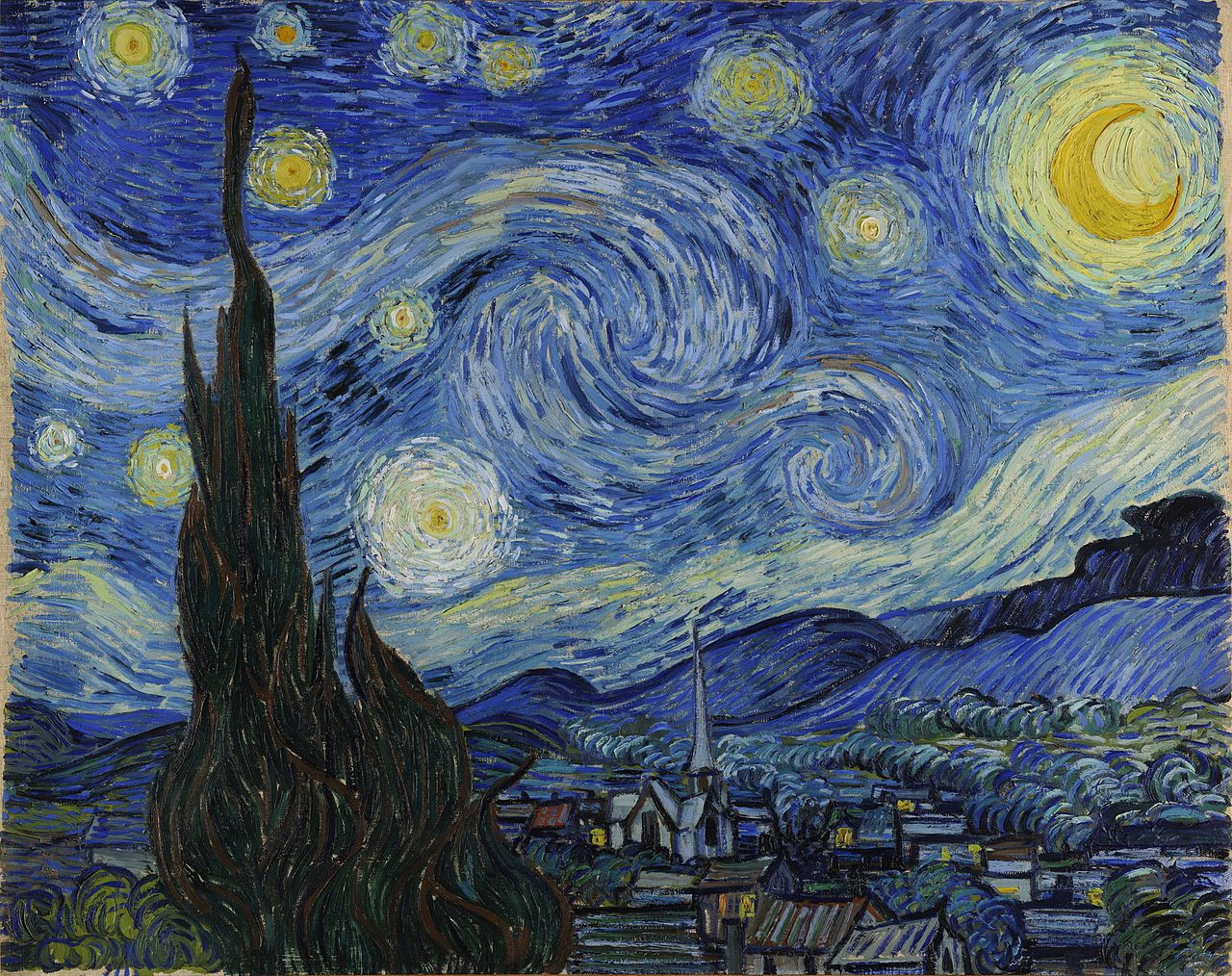
    “Starry Night” by Vincent Van Gogh

    It is the star above her that governs her conditions. Iris knows that the fault is not entirely in herself but mostly in the lucky star that does not seem to know where to find its beneficiary. The star was born when Libra and Capricorn were met in the house of Aquarius on the nineteenth hour of a blustery snowy wintry night. The star hangs on the vault of nightly celestial ballroom among the other stars twinkling merrily and boldly but alone in a corner of the limitless dome, twinkling ruefully and dutifully as if it were trying to signify its insignificant presence on the nocturnal cosmic stage. For this lone star has not found its beneficiary, the ascribed terrestrial hair of its power, and without it, the star cannot become a lucky star. Which is a tragedy for both Iris and her star.

    In fact, Iris’s existential frustration or noogenic neurosis agrees to what Shakespeare was suspected of harboring in all his life. Surely, the Bard was a very successful playwright and poet who marched in a parade of famed hits in his time, but he was wrestling with a doubt whether it was Fate or Freedom of Will that governed human lives as conveyed in his works, such as “Julius Caesar”, “Othello”, and “Hamlet”. The characters of these plays fight for their causes as masters of their fates, but the consequences are not entirely fortuitous in bliss. That’s why the Greek soldier and historian Thucydides regarded vain hope imbued with a paroxysm of flattering confidence and blind devotion to the law of attraction as a dangerous hubris to one’s philosophy of life.

    Hope plays its role as a morale booster when one sees it as a card of chance in awareness of odds in one’s favor. In this manner, one does not have to think about it but can fight with every hope of winning. This also relates to a principle of Logotheraphy: the less one cares, the more one can without stress for success. But alas, my dear reader, to pour lead into the wound, all the aforesaid needs luck as the Bard chips in thus: “There is a tide in the affairs of men, which taken at the flood, leads on to fortune.” A tide of the deep wide ocean of Life that arises from the heart of the ocean to surge in bounty of fortune to a weary wayfarer on the land is what Iris has been waiting for till now.

    All this thought, all this doubt about her so-called life – the existential frustration- are vexing her mind and crippling her faculties of the mind like vermin, so much that she feels utterly disoriented and deserted in the crossroads of life. The faith she has begun to lose with reasons justifiable only to herself, meaning of life she still hasn’t found, Iris finds herself lost in the Labyrinth where the Minotaur is roaming around to find his prey. And she does not have the hero Theseus nor Ariadne for help. Iris must find the way out anyhow for her dear life. But one thing is certain my dear reader; that although fortune’s malice or absence might conspire to overthrow her state, her feisty and recalcitrant mind will eventually exceed the compass of her will of fortune with a triumphant laugh.

  • Fellowship of the arts

    img_0622

    Music has such a charm; it makes bad good and conjures memories of the places and faces of the past with nostalgia in a magical way. It’s a kind of mind teleportation, artistic time-machine, which takes you from the rut of life to anywhere you can dream about. So much so that ever witty and lively William Shakespeare said: “There’s nothing in the world so much like prayer as music is.” Just as reading makes the reader pass over to the literary world of imagination, listening to music carries the listener over to the auditory feast of melodies and rhythms, wonderfully harmonized, all in the mastery of fine musicianship inspired by the Mousal, the music muses, which is demonstrated by the fabulous  Biltmore Trio.

    img_0621

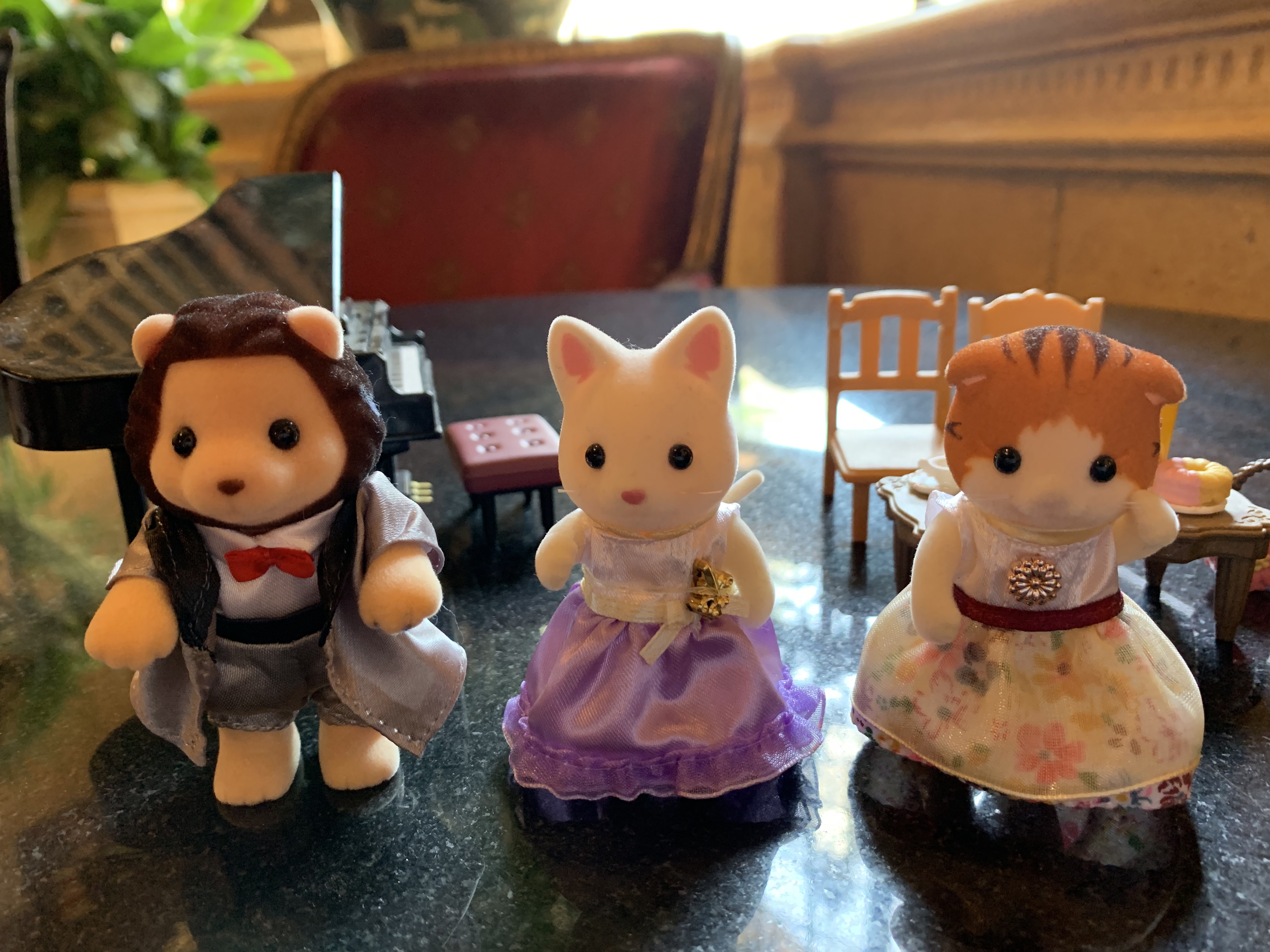
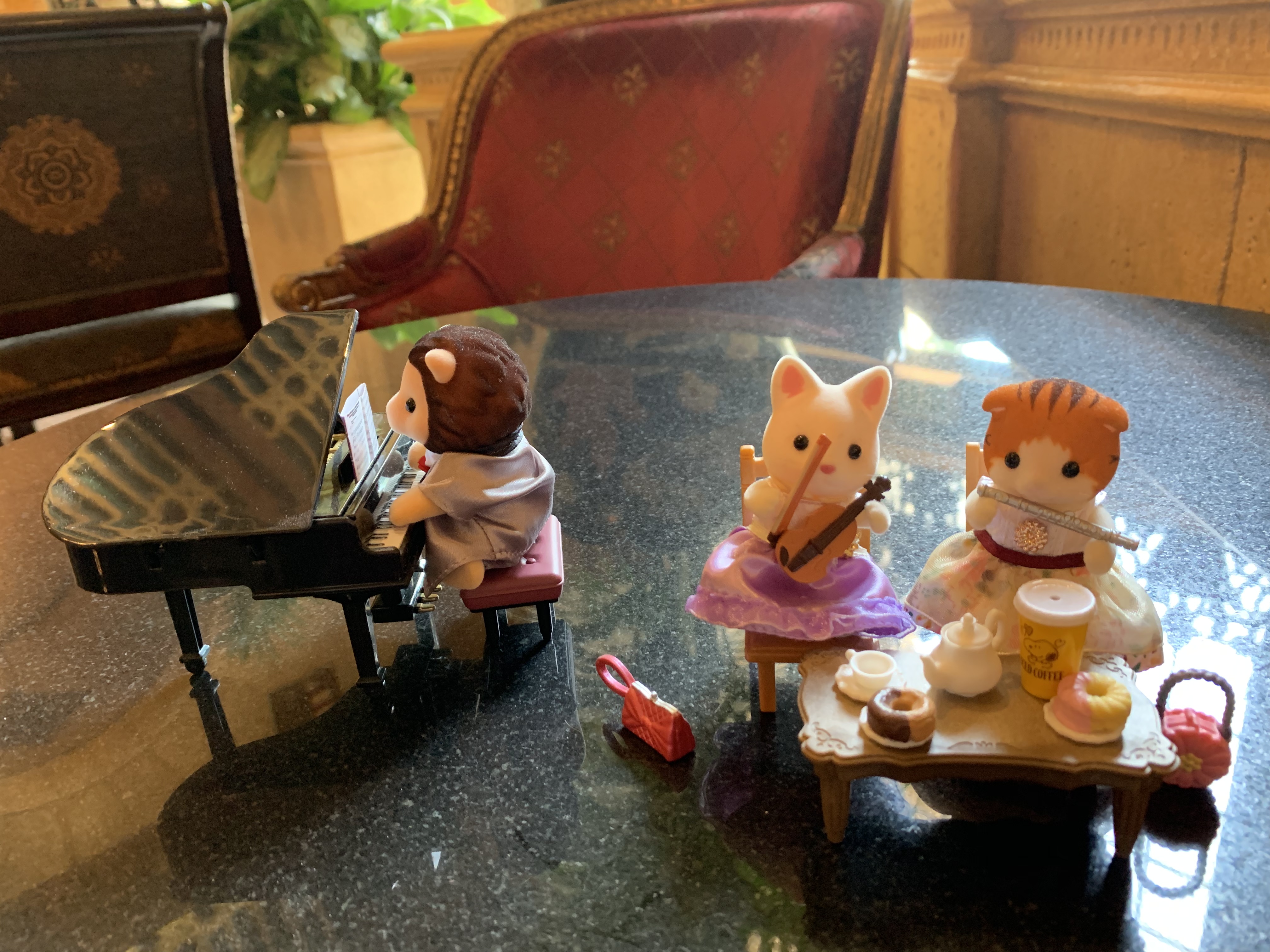
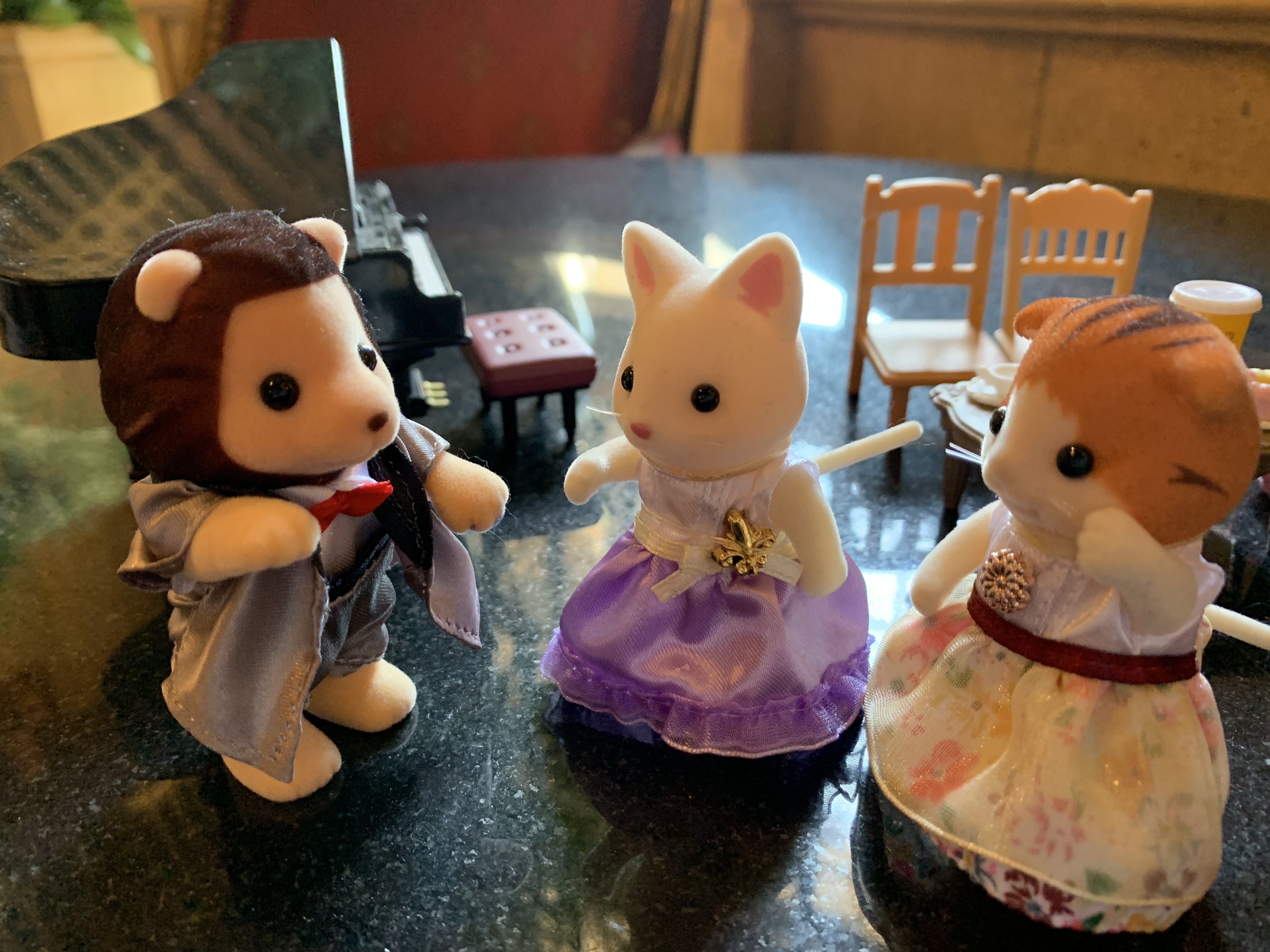
    Biltmore Trio consists of Ben Lion (Piano), Claire Whitecat (Violin) and Julie Tigress (Flute). They are fine amateur musicians who get together two days a week to play music together for reason none other than being aficionados of music, especially of the Baroque music. All of them have full-time occupations by which they earn their livelihood: Ben is an associate professor of history at Avonlea Community College. He is also an established writer for various magazine and short stories. Claire is a free-lanced book illustrator primarily for children’s books. Julie is a legal secretary working at a busy litigation law firm that would not function without her presence. They are good friends from childhood and share their love of music, books and other interests that pique their intelligent minds with scintillating curiosities. Hence, Biltmore Trio is a musical manifestation of their fellowship in the Appreciation of the Arts and Altruism of Humanity based upon the idea that the beauty of art is for everyone, not a prerogative of a few select. It is important that the public has a right to art because as Oscar Wilde attested, “Nothing can cure the soul but the senses, just as nothing can sure the senses but the soul.” How true it is!

    img_0623

    With such tenets of art in mind, Biltmore Trio’s free lunchtime recital of Frederic Hendel’s “The Arrival of the Queen of Sheba” at the eponymous hotel lounge fills the hearts of the audience with mirth and merriment and frames their minds with beauty and alacrity. The trio’s fine musicianship becomes even more brilliant with their milk of human kindness that benefits all regardless who they are and what day do.

  • Loveliness blooms in Logotheraphy

    img_0598

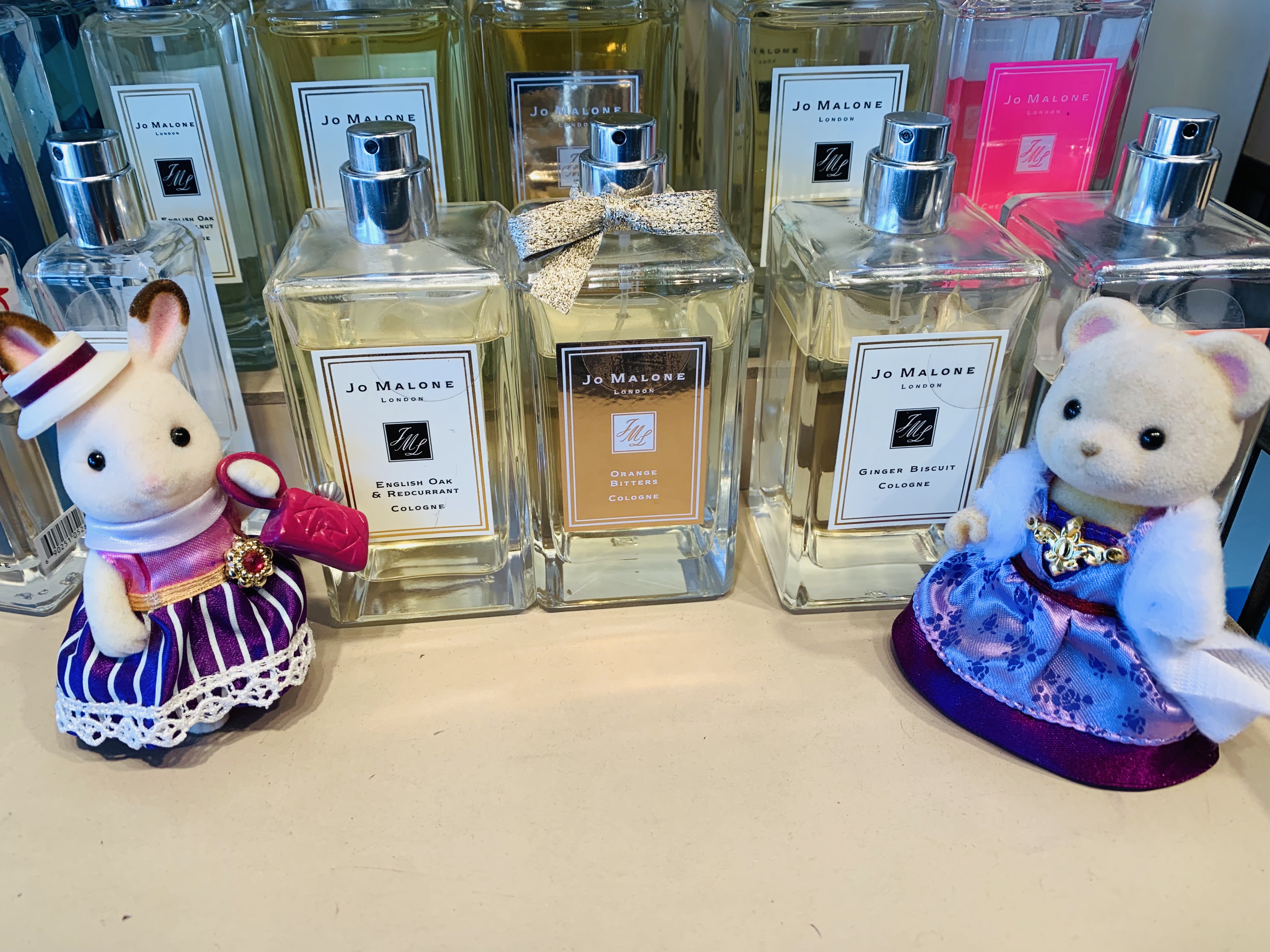
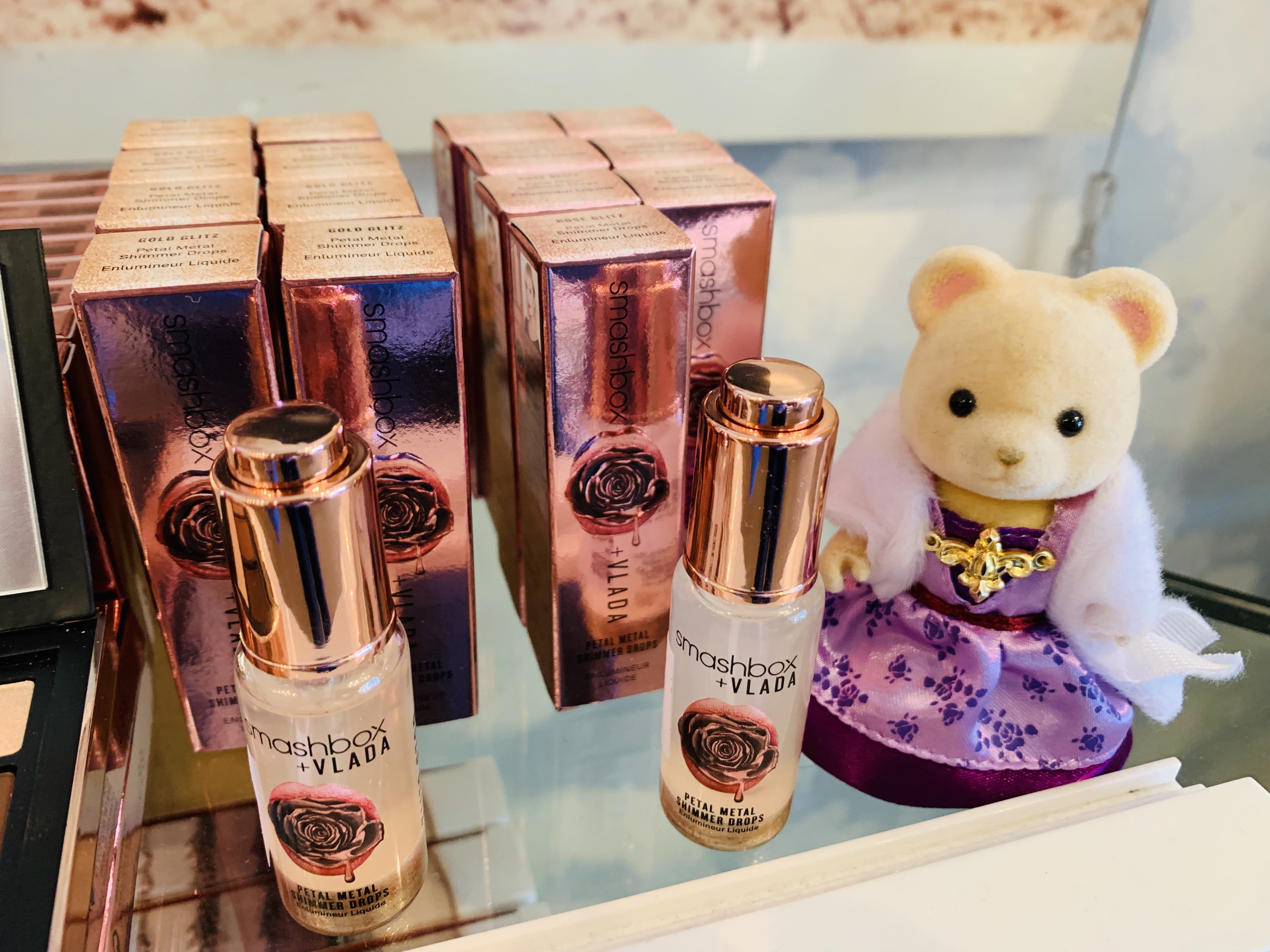
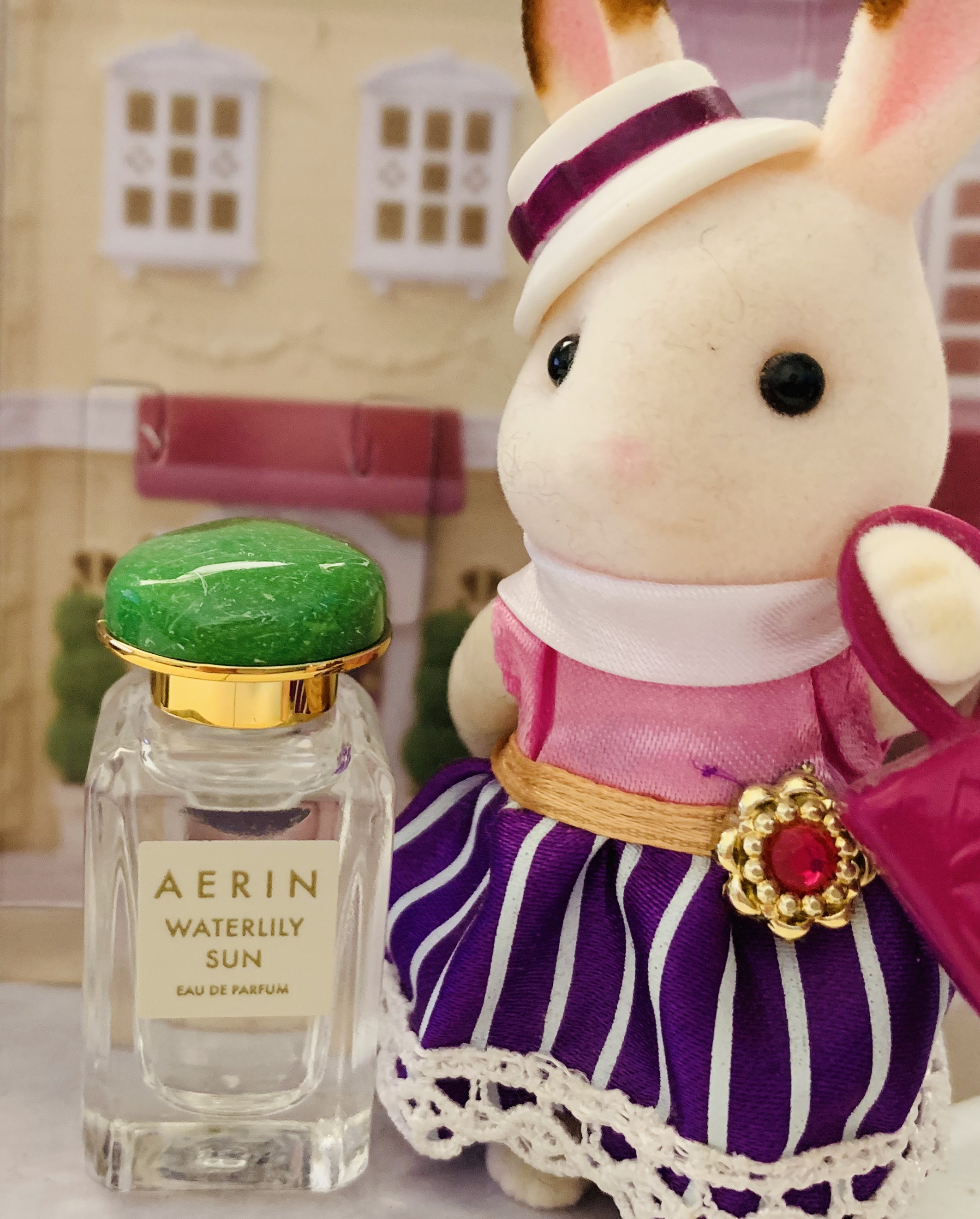
    A thing of beauty is a joy to them. Its loveliness increases. It never passes into nothingness. Oscar Wilde, who extolled physical beauty as a form of virtue manifested in a physical form, once flamboyantly remarked: “Crying is for plain women. Pretty women go shopping.”  Although Seraphina Rabitte and Mathilda Beare demur at such uncharitable notion of meritocracy of women’s appearance, they love visiting beauty stores in a way that little children love going to candy stores (or toy stores to be more realistic these days). For the ladies like to keep themselves prim and proper in the belief that presentable appearance (not a physical symmetry per se) indicates how one takes cares of herself by realizing her creative, attitudinal and experiential values in everyday life.

    img_0599

    The belief is grounded in Logotheraphy, one of the three Viennese School of Psychotherapy founded by Dr. Viktor E. Frankl, a neurologist, thinker, psychiatrist, but above all, a remarkable human being who endured personal experiences of Promethean hardships and suffering in Nazi concentration camps and conquered them in triumph of will to meaning. Fashionable and knowledgeable Matilda and Seraphina are students of Logotheraphy, the theory that human nature is motivated by search for a life purpose that is unique to each individual. Unlike other schools of psychotherapy and many other subdivisions thereof, Logotheraphy encompasses a wide scope of the humanities and of course, neuroscience, making it a brilliant multidisciplinary school of thought. In fact, it is a paradigm of the consilience of the knowledge of the humanities and that of science. So, in the context of regarding Logotheraphy, the fashionable ladies’ attitudes toward appearance betokens their ways of preventing noogenic (existential) frustration by engaging themselves in activities to dispel a hint of depression or inertia from their minds, even if it means only going to shopping.

    img_0601So, you see it isn’t a symptom of conspicuous consumption as a result of our hyper industrialized social environment that Matilda and Seraphina like pampering themselves with cosmetics. Besides, who can blame them for having none other than a woman’s reason? Didn’t Queen Elizabeth also proclaim herself to have a lion’s heart in a woman’s hide? Also, did the Queen not show fierce attention to fairness herself by putting the most fashionable make-up and dresses and hairstyles of her time? Well, these modern ladies are no less different them from their loyal member of sisterhood in the race of Humankind. In fact, Matilda and Seraphina have aristocratic bearings in appearance and manners due to their fine upbringing and sweetness of the mind by nature, so whenever they go, they give admirable impressions on people whom they encounter. They are the paragon of a virtuous woman as John Milton extolled in Paradise Lost: “Those graceful act, those thousand decencies that flow from all her actions and words.”

    Author’s Note: Many thanks to the attendants at the Cosmetic Company Store in Camarillo Premium Outlets who kindly permitted me to take pictures in their store.