
I remember when they were happy,
I remember when they were lonely.
When only two of them left, there
I saw the light glowing and growing
in the silence of darkness of night
Frolicking in the twinkling starlight
Becoming two fireflies on the grave.
I remember when they were happy,
I remember when they were lonely.
When only two of them left, there
I saw the light glowing and growing
in the silence of darkness of night
Frolicking in the twinkling starlight
Becoming two fireflies on the grave.

She wished her dreams secretly
Sitting on the rock by the shore
Lest the spirits tear them anon
And keep her a hostage to fortune
Until her spirit left her in surrender
To the mercenaries of death in the pact.
Luck was a stranger, so was Faith.
But Hope always stayed with her
On the rock against winds and waves
As a Friend like Pellas and Athena
giving the light of Hope to Despondence
reviving Breath of Reason to wait still.
One day Hope told her to write a letter
To Heaven about her Seven Wishes
So that the West Wind would carry it
On his feathered wings like Pegasus’
To the Palace of King direct and express
And He would open and read it at once.
So she wrote her letter to King
Of Seven Wishes sealed in secret
Stood and flew a lithe kite carrying
The wishes in words fluttering in the breeze
And waited for the West Wind to come
And deliver them upward further higher
Alas! The Wishes sent to the skies
Fell from the wings of the wind,
As her heart’s whispers were wafted
Downward, leeward, seaward
Until mermaids caught in their outing
And treasured them in the shells.

Prim-piped April dressed in all her trim
Put her vivacious spirit in his poetic parterre
Where wits flower into lovely words
Growing bright, and shining brighter ever
By nature’s light reflected in his twinkling humor
That requires no Agent Text to please Reason.
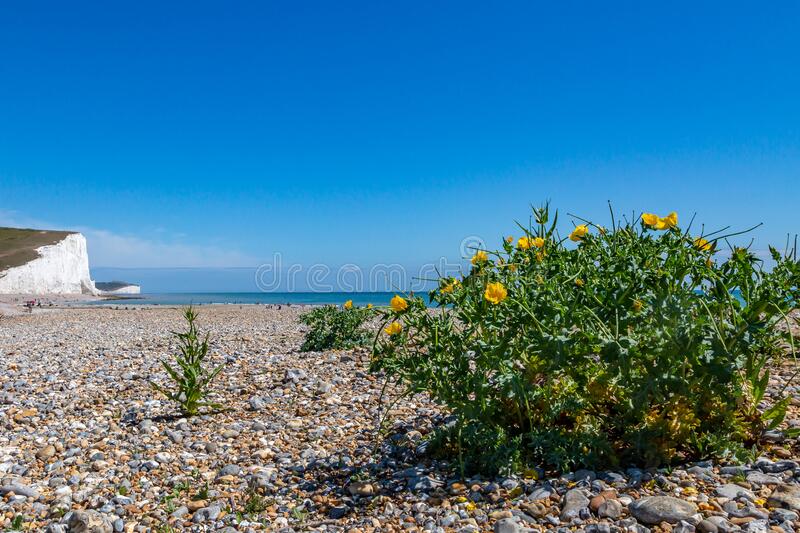
North Wind, blow your aspen leave once more
And tell me if it reaches the shingle shore
Where life is replete with its pristine nature:
Where the sea kale copes with the sea winds
Rising to a ridge of a crest, valorous and bounteous
True blue to the whimsical temper of sea love;
Where the yellow horned poppy blooms in the sea mists
Standing on a cliff, facing seaward, toward the horizons
Skybound, spellbound, fluttering the golden petals ever –
And if you see the brown hare hopping around the shore,
Tell me the castle east of the sun west of the moon is there.

The mountains under the sea rise
to the fields of the stygian abyss
When a day moon stays with a sun
And sea nymphs swim to the horizon.
Whales repast by the seamounts below
And the goddess of the ocean arrives
with her children of love in soft waves.

For all my life, I have not seen the world
As others see – I have not felt the love
As others feel – I have kept away from it
All wonderful, beautiful, blissful ever!
Now the eyes that have seen and witnessed
The vagaries of the world in their league
Begin to wane in clouds of shattered dreams
That were clinging to the myopic windowsills
And prepare to let them go with the memories
Of images that they have cherished for rarity.
The lights of the windows to the world flicker
In the red wind growing strong and stronger;
And the keeper of the castle weeps in darkness.


You must be logged in to post a comment.