
The 3 gods preside over the Arts.
Pallas Athena sends out the rays
of visions into the memory temple;
Vulcan grasps the beams of light
and grows them into red hot fires;
Mars receives the divine artifices
and perfects them into treasures.
The 3 gods preside over the Arts.
Pallas Athena sends out the rays
of visions into the memory temple;
Vulcan grasps the beams of light
and grows them into red hot fires;
Mars receives the divine artifices
and perfects them into treasures.
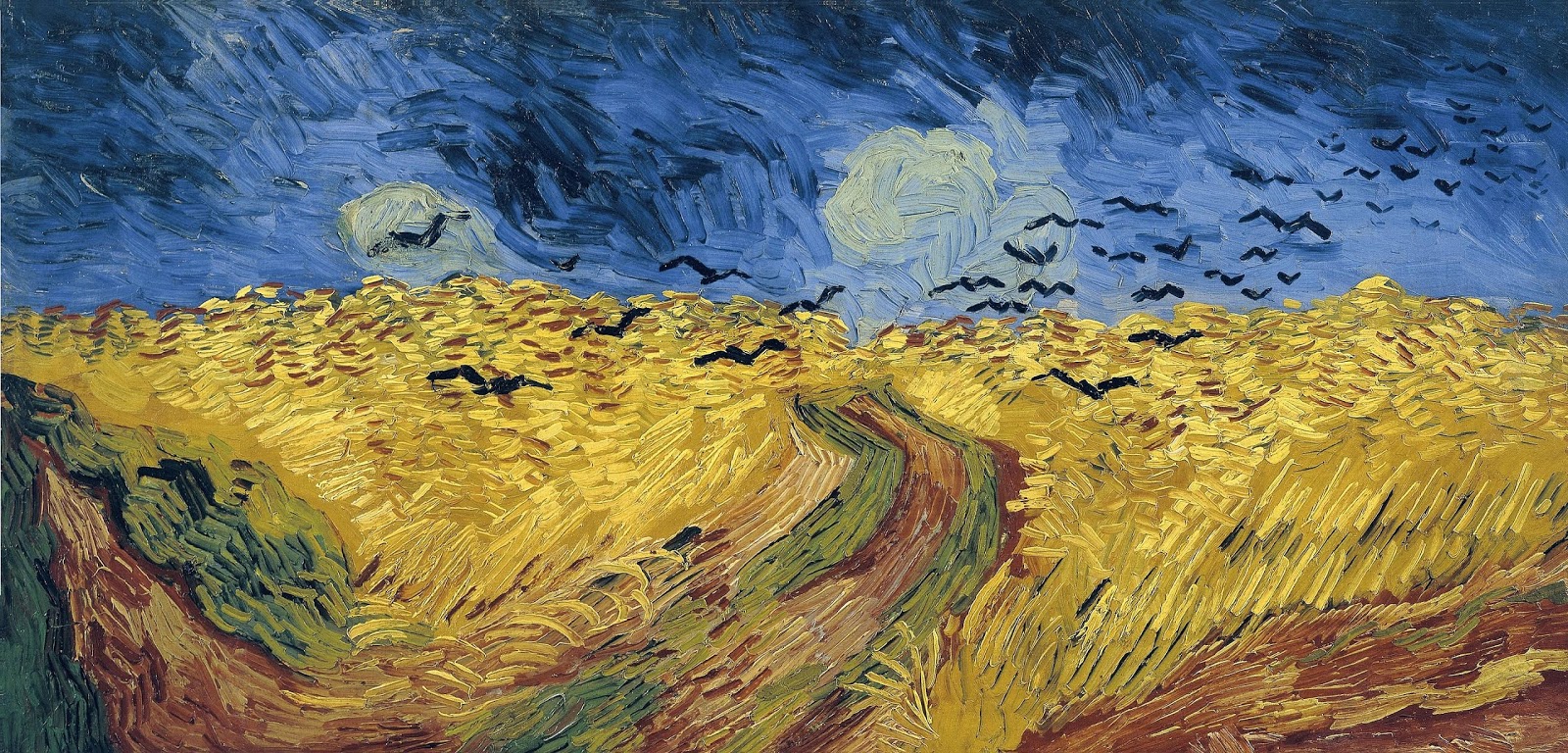
We can’t be here
While going nowhere
Chasing a mirage
In a concrete oasis.
Walking on a thin ice
With the misty eyes
Ire roars, passion heats
Miracles are imageries
Angels are too high above
We don’t want to be here.

The misfit stars gathered together
To try their luck elsewhere whither.
Those that fell to the earth at night
Became crystals with hues of night
Sparkling wantonly in a ring of swan
A dazzling enchantment on my palm.

The chariot of the sun reaches
At the end of the day’s race,
And the eyes follow the trace
Of the sun god’s declination
And stay on the golden palace
In the dazzling adumbration
By the waterfalls of Elysium.

Thunder and lightning swirling
The palace of heaven tumbling
The Angels of Mutiny are falling
Falling below, downward, falling
into the sea and the earth.
While the light of Divine Grace
still flickers on the scraped wings,
They become the Good People
too vivacious to be in Hell.

The jubilant fanfare is blasting, the majestic elephants are trumpeting, and the sensual dancers are sprinkling rose petals on the ways to herald the emergence of the royal celebrity. It is no other person than Eddie Murphy’s Akeem Joffer himself after thirty-three halcyon years in his kingdom. He is back from the past and in America. Will the king’s festivity have the same level of brilliance it once radiated thirty-three years ago?
King Akeem has got it all, and he envies nothing: the beautiful, thoughtful wife, wonderful daughters, the loyal friend and aides, and the kingdom of his that nothing is wanting. But alas, as it is our human nature wanting something, we think needful or must-have, so is our king who is egged on to bring out-of-wedlock son now living in Queens, New York. Akeem goes to New York and meets his old acquaintances, all of whom look immortalized in the abeyance of time because they are still alive and kicking with a little bit more gray streaks and a few more inches in their midriff circumferences. And yes, Akeem meets his young, intelligent, and brave son because, after all, it’s his son with the good genes in the blood, while the maternal line is the working-class heroine of a good sort. And yes, the storyline is all over but the shouting with introductions of a few more new faces.

Coming 2 America is one of the recent Eddie Murphy’s big ambitious movies that he hopes to resurrect the glory of his days as the awesome, the one and only Eddie Murphy, one of the funniest comedians in the world. His sharp tongue offended no one because it wasn’t out of malice or tension to purge out his angst-ridden self. Even his pejorative language and slang were likable and genuine because he had a natural wit to make the words coming out of his mouth funny. Also, he had self-confidence in every scene he was, but it wasn’t hubris or warrior-like belligerence. People loved him for that and his movies, of course. But to be honest, when I watched this movie with enthusiasm mixed with nostalgia like meeting an old friend, I saw a different Murphy, who seemed to have lost that brilliant luster of the perk that signified him. Maybe that is why the movie’s story is mainly centered in his kingdom, for, in his kingdom, Murphy needed no quirky ad-ribs, no fast actions, no more youthful adventures of city life that would have required horse-whips of energy.
However, the movie is not a failure because it brings fans of everywhere a nostalgia for their days of youth (mainly in the 80s) and gives them PG-13 appropriate entertainment, free of gratuitous sex and violence that movies nowadays automatically opt for. The thematic elements of family value, love, and will to meaning in life metastasize in the narrative, which we so much want in this crazy era of history. Nevertheless, I still miss Eddie Murphy when he was bolder, wilder, and funnier. For those who agree with me, I suggest another recent movie, Dolemite Is My Name, a biopic movie about the eponymous movie star because in the movie Murphy is funny with soul. It is good to see him that way.


You must be logged in to post a comment.