There is something about Rembrandt’s (15 July 1606 – 4 October 1669) paintings that are fascinating, like Bach’s Baroque musical pieces that are profound and elegant. Rembrandt was Northern European art’s answer to Italian Renaissance art. Then there is more to this wonder of genius that touches humanity’s universal hearts and minds.
What distinguished Rembrandt from his contemporaries was his choice of subjects that were both common and profound in the everyday setting, tinged with a religious theme. Although he was as Protestant as Bach and Handel in terms of his birth of origin being the proud Dutch, he had a Catholic cast of mind regarding the scale and ambiance of the biblical scenes he chose to express. His paintings are an exquisite admixture of sweet simplicity and magnificent sanctity communicated to the eyes then lingers in the heart. It is also realistically factual and mystically imaginative, producing a powerful pathos and awesomeness as though to play a great drama across the canvass in which the actions of the figures, even in still positions, give the impression that they are not suspended in the silence but caught in moments of action.
To illustrate, one of Rembrandt’s most celebrated paintings, ‘ Jacob wrestling with the angel,’ epitomizes such fine moments of vigor and sereneness altogether, sensuously wrapped around in the forces of life of this world and the meaning thereof. Jacob represents our human life full of highs and lows, loaded with energies that fuel the muscles of desires and the heart of will. Jacob looks coarse, plebeian, and sturdy, simultaneously faulty and confused, whereas his angelic opponent is slender, patrician, and imperturbable. The angel of heaven is supra-meaning, the meaning of life, the refinement of life itself, the beauty of life that we strive to find through trials and foils. If Jacob is the Strength of the Human, the angel is the Spirit from within.
Rembrandt is a kind of Artist who has the sense and sensibilities particular to Artist with heart, which matches the spirit of enlightenment that mind without humanity is not genuine intelligence that nourishes our mind. So Rembrandt deserves his constellation of stars shining bright in heaven’s dome in all brilliance.
Sally was enjoying alone at Baroque her respite from the demands placed upon her weekly tasks and responsibilities at her new job. Baroque is a newly opened coffee house where her best friend Bonnie is both a manager and attendant, provisioning customers with delicious pastries, cookies, freshly-brewed coffee and exquisitely beautiful Baroque music composed by Bach, Handel, Pachelbel, Vivaldi, et al. at the behest of her aunt Laura, who is the proprietress of the establishment. It is all the more fitting to Sally’s musical taste and sensibilities. Which is why she has made it her elbow room where she can rest herself reading and writing enveloped in an atmospheric ambience of highly sophisticated cultural surrounding rare to find these days.
Sally likes the delicateness of the Baroque (which means an irregular shape of pearls in Portuguese) music, especially the works of Bach and Handel, the Father and the Mother of Music, or Saints of Music. It’s all in the family blood: her father was an admirer of Bach and felt exalted when listening to Brandenburg Concerto No. 3 In G Major, BWV 1048: Allegro. He might have been wanting of the practical sense of the world or the “gumption,” but his eminent scholarship of the Arts and Humanities was his essence, his primary reality. That’s the legacy of eclectic cultural taste and erudition Sally has extolled and preserved against the struggles of life in which she always tries to grasp on a sense of social and cultural superiority, while guiding her elderly parents on the long taxing climb to financial security. Here in this Sunday morning, Sally’s spirit was flitting in the celestial garden alone, while indulging herself in listening to The Arrival of the Queen of Sheba by Handel. In fact, it’s her favorite musical piece in the world, her primary soundtrack of life, her sui generis leitmotif that is hers, hers only, hers exclusively.
Bonnie was smiling at her friend Sally’s intoxication with the music outwardly manifested on her pretty face in the form of dreamy look with her eyes closed as if she were watching musicians playing it on stage just for her. That’s one of the reasons Bonnie likes her friend: Sally’s artlessness unsullied by her intelligent prowess makes her trustful, beautiful, and soulful. When Sally opened her eyes, she smiled at Bonnie and started piping up: “You know Bonnie, I love this music so much that all my grief, angst, and trifles desiccate, then die… It’s very vivacious and and jubilant, uplifting my otherwise somber mood to make me believe that the world isn’t that such a bad place to live.” Sally’s eyes becoming sparkling with verve and her cheeks flushed with rose pink, all because of the love of the music. And her rhapsody of love began as follows:
George Frideric Handel (1685-1759)
The Arrival of the Queen of Sheba is a sinfonia for two oboes and strings written by George Frideric Handel, originally from Germany but later moved to England for advancement of his musical career. By the way his father was an eminent barber-surgeon as it was customary for a barber to work sideline as a dentist and surgeon. That’s a bit odd, isn’t it? Anyway, the music was first premiered in London as the first scene of Act III in the oratorio Solomon. But rather than the whole oratorio, this brightly charming interlude has been widely appreciated as a separate set piece because it’s so appealing to the senses, I presume. Besides, the piece was widely played during wedding ceremonies into the bargain! Come to think of it, it is such a vivacious melody apposite to an entrance of a beautiful bride into a church. You know, like the beautiful regal queen of Sheba arriving at Jerusalem with a grand entourage, with camels carrying a munificent largess, a resplendent panoply of magnificent treasure!”
While listening to Sally’s lecture on Handel and the sinfonia, Bonnie was envisioning in her mind’s eye a scene in which she as a chaste and beautiful bride in wedding gown like a valley in a vale was entering a cathedral to proceed to the altar where her gallant husband was waiting… That’s a nice change of mundane scenery of life, Bonnie thought. Ah, the power of the music is so irresistibly masculine and impossibly arresting that the only way you can escape from its fatally sensuous intoxication is to yield to it. It’s all because of the magic of music, moody food that is bartered for love. The Bard knew it as well: “In sweet music is such art: killing care and grief of heart fall asleep, or hearing die.”

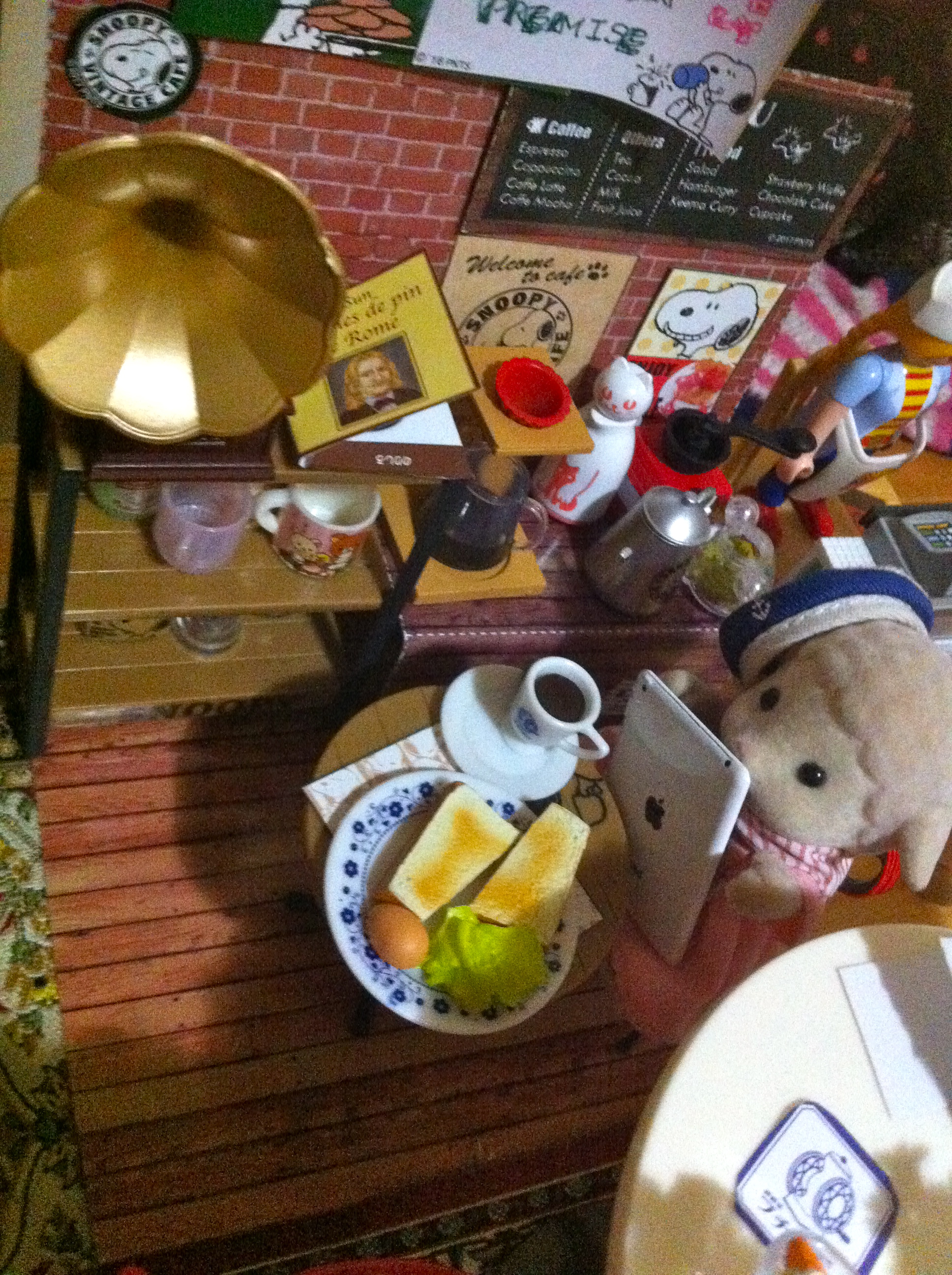 Sally was enjoying alone at Baroque her respite from the demands placed upon her weekly tasks and responsibilities at her new job. Baroque is a newly opened coffee house where her best friend Bonnie is both a manager and attendant, provisioning customers with delicious pastries, cookies, freshly-brewed coffee and exquisitely beautiful Baroque music composed by Bach, Handel, Pachelbel, Vivaldi, et al. at the behest of her aunt Laura, who is the proprietress of the establishment. It is all the more fitting to Sally’s musical taste and sensibilities. Which is why she has made it her elbow room where she can rest herself reading and writing enveloped in an atmospheric ambience of highly sophisticated cultural surrounding rare to find these days.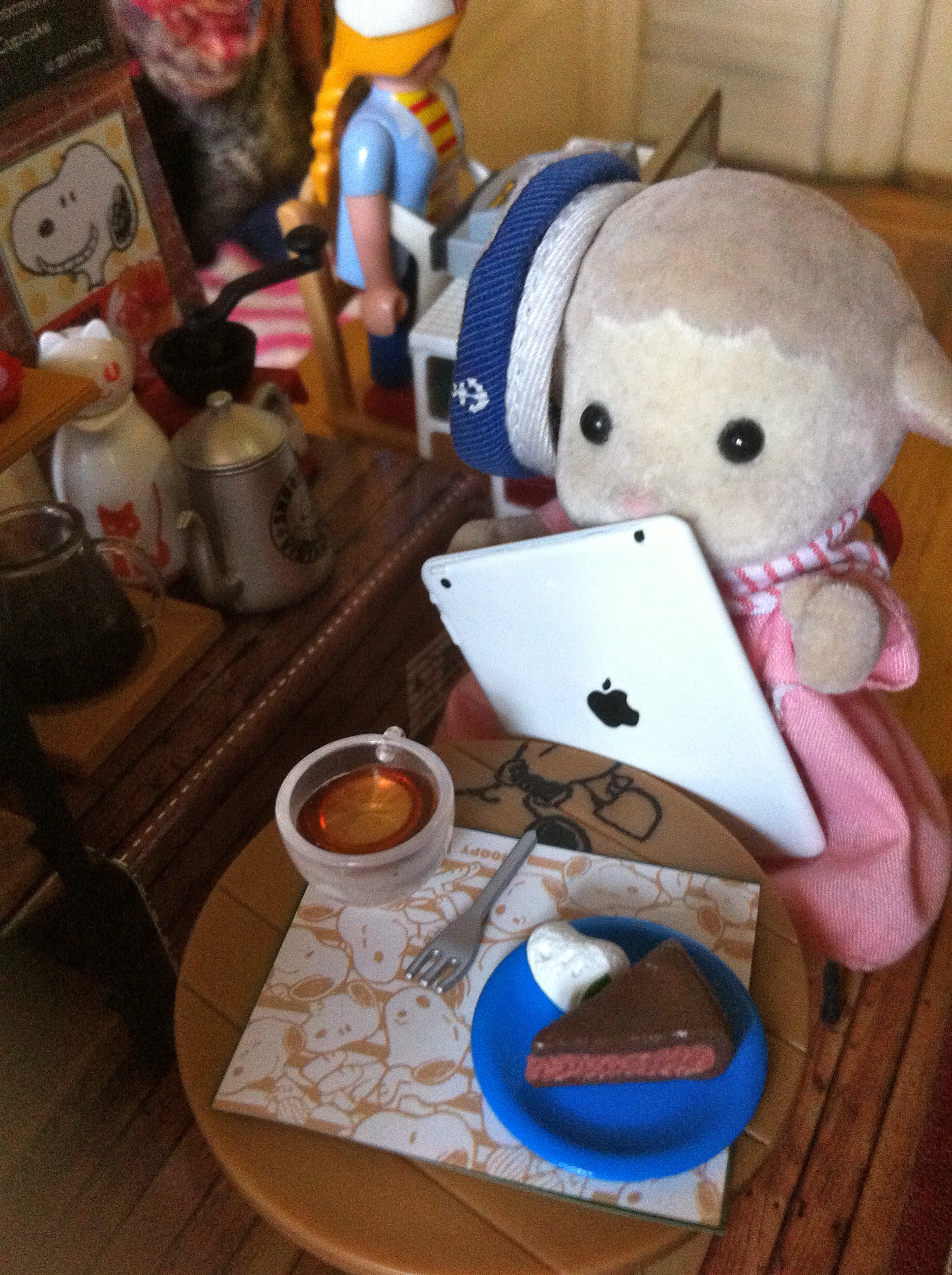
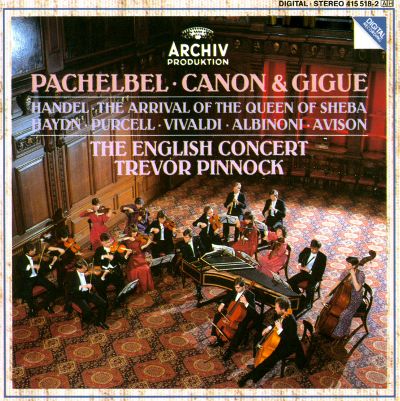 Bonnie was smiling at her friend Sally’s intoxication with the music outwardly manifested on her pretty face in the form of dreamy look with her eyes closed as if she were watching musicians playing it on stage just for her. That’s one of the reasons Bonnie likes her friend: Sally’s artlessness unsullied by her intelligent prowess makes her trustful, beautiful, and soulful. When Sally opened her eyes, she smiled at Bonnie and started piping up: “You know Bonnie, I love this music so much that all my grief, angst, and trifles desiccate, then die… It’s very vivacious and and jubilant, uplifting my otherwise somber mood to make me believe that the world isn’t that such a bad place to live.” Sally’s eyes becoming sparkling with verve and her cheeks flushed with rose pink, all because of the love of the music. And her rhapsody of love began as follows: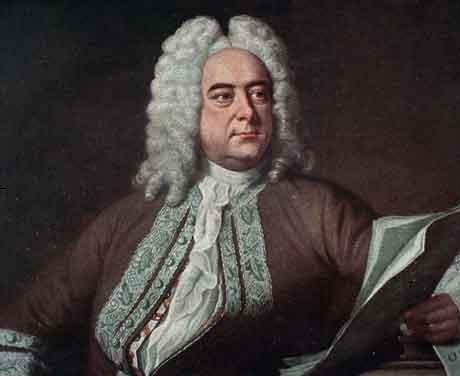
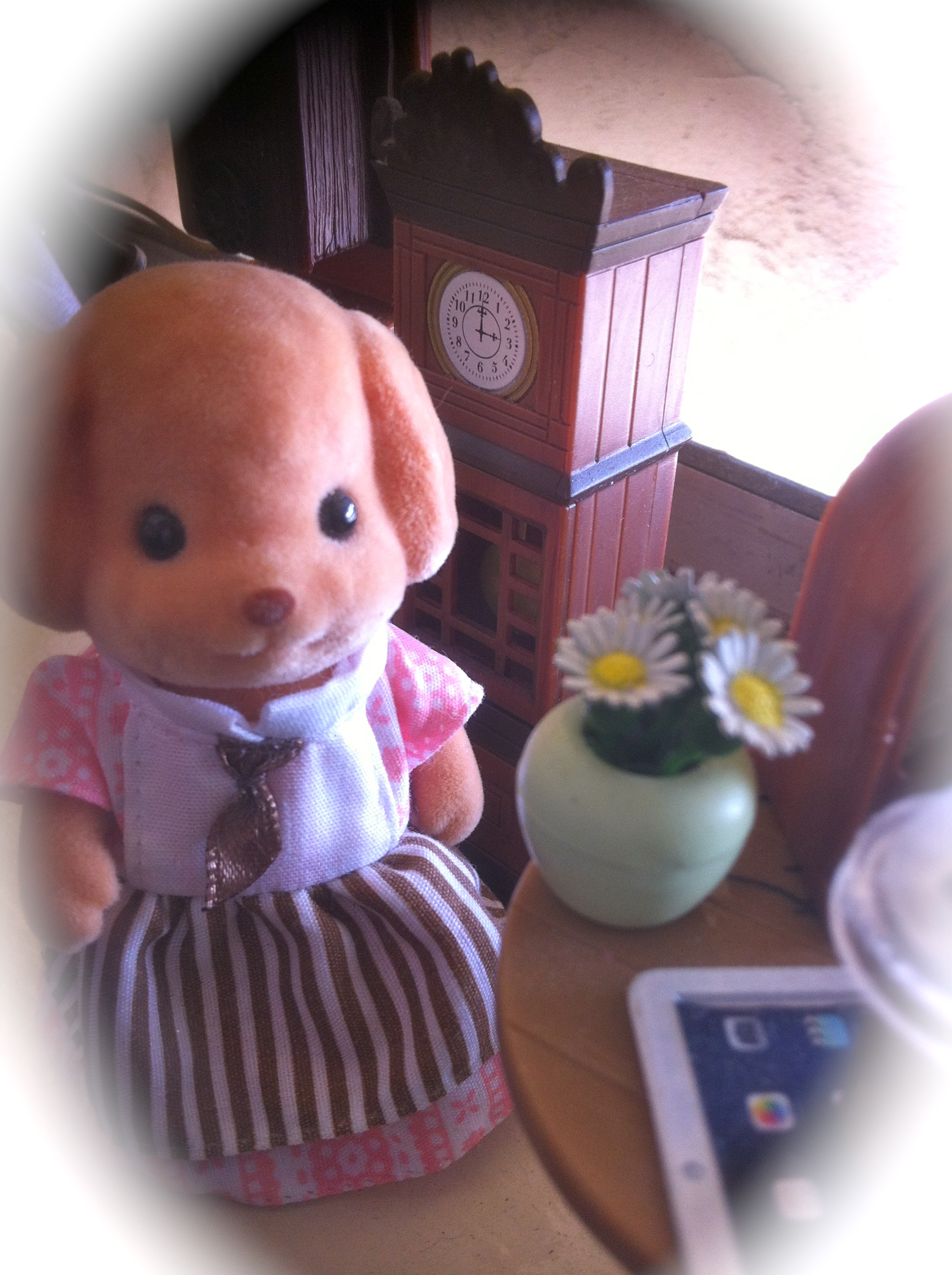 While listening to Sally’s lecture on Handel and the sinfonia, Bonnie was envisioning in her mind’s eye a scene in which she as a chaste and beautiful bride in wedding gown like a valley in a vale was entering a cathedral to proceed to the altar where her gallant husband was waiting… That’s a nice change of mundane scenery of life, Bonnie thought. Ah, the power of the music is so irresistibly masculine and impossibly arresting that the only way you can escape from its fatally sensuous intoxication is to yield to it. It’s all because of the magic of music, moody food that is bartered for love. The Bard knew it as well: “In sweet music is such art: killing care and grief of heart fall asleep, or hearing die.”


You must be logged in to post a comment.