 All lawyers are educated, expensive mercenaries of fortune with a high chance of variable expediency in allegiance to whoever employs their burst of legal pep, or “intelligent drudgery,” so to speak. Lawyers know no fear but lots of hubris that can move heaven and earth because of their Napoleonic credo of “There’s no word for impossibility in my dictionary.” To Sally, it’s a real case of Sartre’s existentialism which dictates that “Experience precedes essence.” And yet, the images of gentlemanly lawyers in the characters of Atticus in To kill a mockingbird played by Gregory Peck and Kavanagh QC portrayed by John Thaw are hard to be disembarrassed from Sally’s abstract ideas of fine lawyers.
 Sally’s position of legal assistant wears many hats: secretary, paralegal, accountant, receptionist, calendar person, and whipping girl paid to do a one-man show at a high price. You may yoke the concept of the position into that of a pricey maid, sort of an upgraded modern version of educated head maid you may see in TV period dramas, such as Upstairs and Downstairs, Berkeley Squares, and The Duchess of Duke Street. Accordingly, like a dutiful head maid in a manor house, docile Sally exerts all her efforts to fulfill incredibly hectic demands imposed upon her daily tasks with graceful patience and her very pretty smile.
 “It’s all a mind game, a sort of mental Tetris in which I have to find out a way to accomplish my tasks without being jammed with constantly generating tile blocks to be upgraded to the next level. And I want to win in this game.” Surely, as consciousness is the foundation of the universe, marshaling self-discipline and courage to perform her tasks to the fullest extent possible is the sine qua non of her happy metier. After all, the nature of lawyering turns its practitioner into a professional inquisitor of wickedness of mankind as observed by Arthur Schopenhauer.

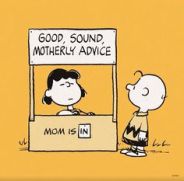
 Upon reading this thoughtful and caring reply
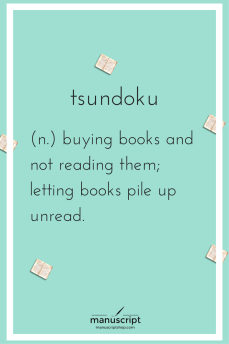 To come upon Word of The Day, Tsundoku, as I was checking messages on Facebook during my lunchtime at a regular Starbucks shop gave me a fillip to thinking of my unread books I have piled up, untouched, since my new job became my primary reality. A Japanese word for a pile of unread books, Tsundoku has become something of new word that describes a tertiary group of books attempted but disinterested, or tried but forgotten. Which is what my tsundoku are comprised of. My books pending my reading speak to me: “Have you deserted us?” Nary a One Bit, My Dear Textual Friends.
 This magazine deserves of its honors in History and Literature: the prime qualities of the articles it features on every monthly issue result from its writers who appear to master the Art of Practical English (along with the writers of The Spectator) that should exemplify all others, especially here in the States, where big words and intricate sentence structures are modus operandi of fine writing. In addition to the beauty of writing, the magazine deals with many an interesting historical fact that strikes the chords of the present era, making us realize that as long as the human race exists, human nature remains unchanged. To top it all off, this magazine is a lovely read easily and perfectly downloaded on a Kindle Fire in its entirety and keeps you amusing company on the train and at a coffee shop.


You must be logged in to post a comment.