Father Christmas might have waved goodbye to us, but that’s not the end of the Christmas Season yet. According to the liturgical calendar, we are still in the month of Nativity with the Nativity scenes and the accompanying decorations around the altars still ubiquitously present in the churches across the seven seas and seven continents, resounding with Christmas hymns at masses until the second week of January. Choirs still stage their grandest and liveliest concerts, just as their counterparts in Victorian Britain did, with the customary repertoires, ranging from the popular “Silent Night”, to “Joy to the World”. Above all these oldies but goodies, Handel’s “Messiah” chorus chimes the bell of Nativity most exultantly and reverberates with the sublime impression on the harmony of human voices that perks up the senses and uplifts the spirit of man.
George Frideric Handel (1685-1759), a German-born British Baroque composer who is also called “Mother of Music” wrote “Messiah” in 1749 as an anthem for a Charity concert in the chapel of the Founding Hospital, a foundation truly close to his heart created for the guardianship and scholarship of the abandoned children and contributed the munificent largess from the subsequent performances to the hospital. Messiah’s majestic Hallelujah chorus was so impressive that King George I, the queen, and the congregation rose during the performance. Further to the royal impression, Mozart and Beethoven were said to compose similar pieces in reflection of Messiah because of its magnificent musical scale and instrumental composition superbly blended with human voices that gave a spriteful jolt to the senses and soul of the listener.
In addition to the musical excellence of “Messiah”, its significance lies in its democratization of music being accessible and doable to all pace its conception as being the prerogative to aristocrats and the proprietary to professional musicians. Out of stuffy music halls reserved for the high, Handel’s Messiah was performed in churches where the public could also enjoy it. Also, thanks to the popularization of the Hallelujah chorus, fueled by the Industrial Revolution, many an amateur choral society came into being, inviting any one to actively participate in musical activities.
Handel himself conducted or attended every performance of “Messiah” up until his death. Handel was said to riposte thus when “Messiah” was called noble entertainment: “I should be sorry if I only entertained them. I wish to make them better.” Now, that’s the true spirit of an artist who touches upon the hearts and minds of all human creatures. No wonder has the chorus given lumps in the throats of the gobsmaked audience of the world. Hallelujah.
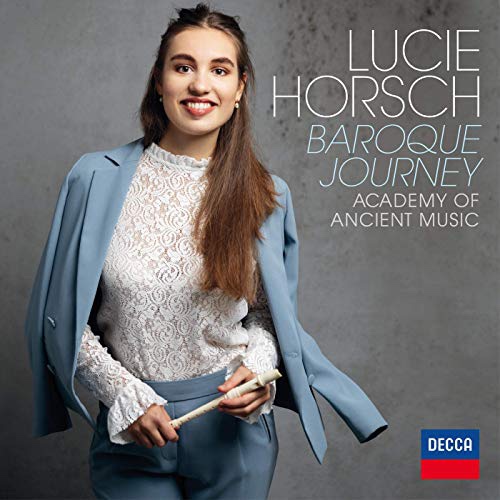 The recorder is a wonderful woodwind musical instrument: light in weight, affordable in price, delightful in timbre, and easy to learn, it has been adopted as a part of music curriculum at many elementary schools, just as ancient Greek schools necessitated students to learn an aulos or a lyre. However, this seemingly insouciant musical instrument was the centerpiece of Baroque music because of its florid and vivacious sound that strikes the chords with busy, sophisticated, delicate melodies of Baroque, the term which originally means irregular shapes of pearls in Portuguese. So much so that Vivaldi, Handel, and Bach had composed music just for the recorder long before the cello, the violin, or even the harpsichord came into the scene and outclassed the lovely recorder.
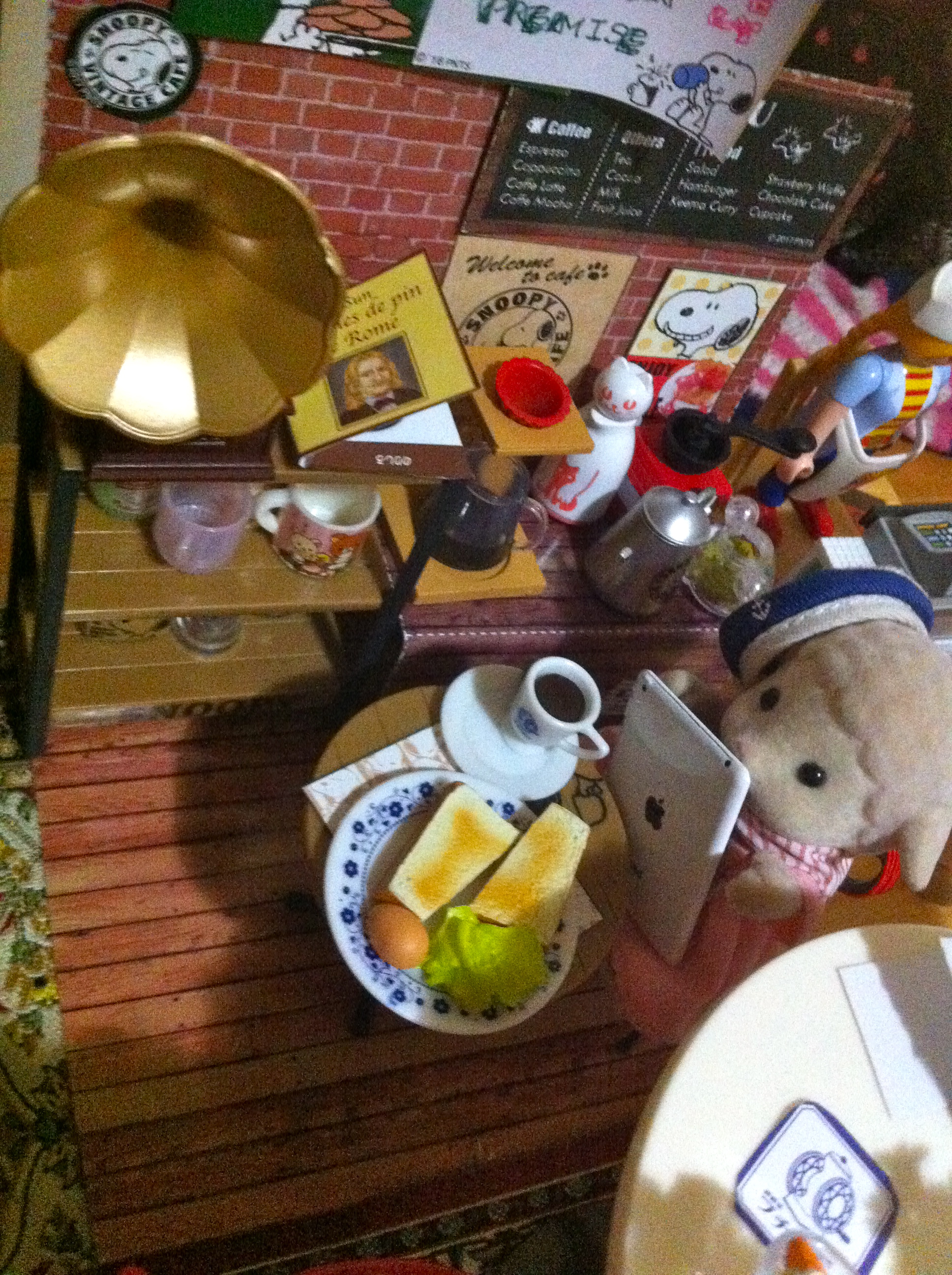 Sally was enjoying alone at Baroque her respite from the demands placed upon her weekly tasks and responsibilities at her new job. Baroque is a newly opened coffee house where her best friend Bonnie is both a manager and attendant, provisioning customers with delicious pastries, cookies, freshly-brewed coffee and exquisitely beautiful Baroque music composed by Bach, Handel, Pachelbel, Vivaldi, et al. at the behest of her aunt Laura, who is the proprietress of the establishment. It is all the more fitting to Sally’s musical taste and sensibilities. Which is why she has made it her elbow room where she can rest herself reading and writing enveloped in an atmospheric ambience of highly sophisticated cultural surrounding rare to find these days.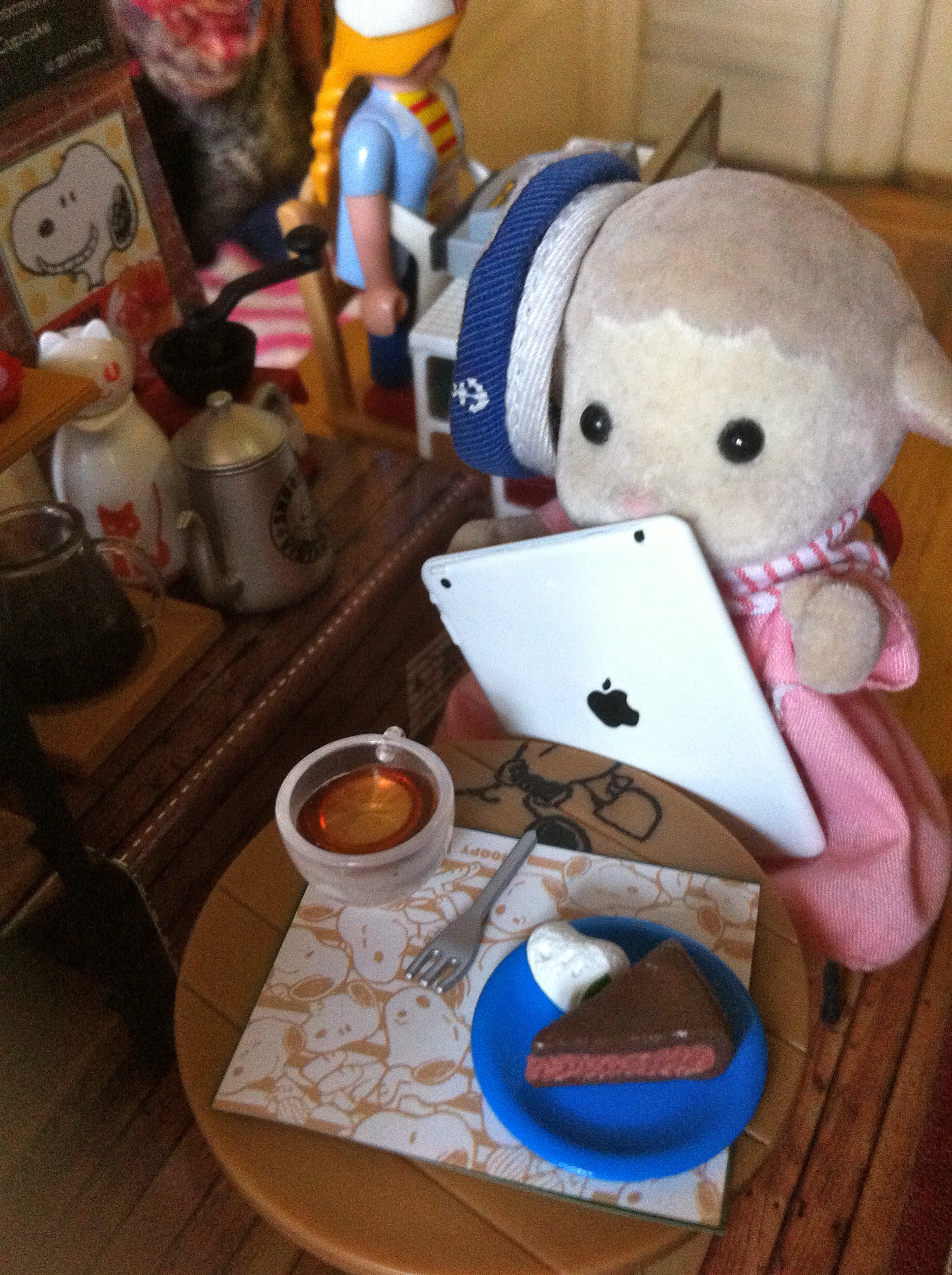
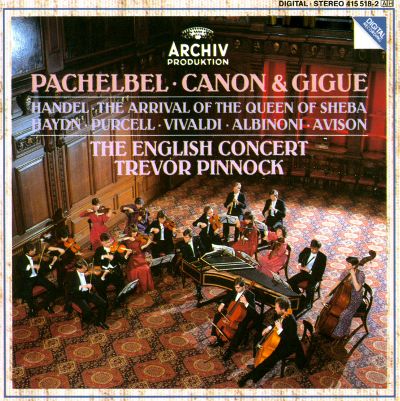 Bonnie was smiling at her friend Sally’s intoxication with the music outwardly manifested on her pretty face in the form of dreamy look with her eyes closed as if she were watching musicians playing it on stage just for her. That’s one of the reasons Bonnie likes her friend: Sally’s artlessness unsullied by her intelligent prowess makes her trustful, beautiful, and soulful. When Sally opened her eyes, she smiled at Bonnie and started piping up: “You know Bonnie, I love this music so much that all my grief, angst, and trifles desiccate, then die… It’s very vivacious and and jubilant, uplifting my otherwise somber mood to make me believe that the world isn’t that such a bad place to live.” Sally’s eyes becoming sparkling with verve and her cheeks flushed with rose pink, all because of the love of the music. And her rhapsody of love began as follows: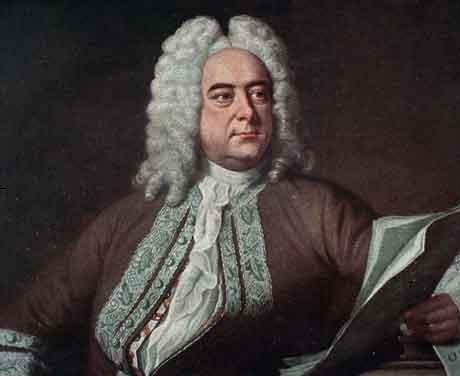
 While listening to Sally’s lecture on Handel and the sinfonia, Bonnie was envisioning in her mind’s eye a scene in which she as a chaste and beautiful bride in wedding gown like a valley in a vale was entering a cathedral to proceed to the altar where her gallant husband was waiting… That’s a nice change of mundane scenery of life, Bonnie thought. Ah, the power of the music is so irresistibly masculine and impossibly arresting that the only way you can escape from its fatally sensuous intoxication is to yield to it. It’s all because of the magic of music, moody food that is bartered for love. The Bard knew it as well: “In sweet music is such art: killing care and grief of heart fall asleep, or hearing die.”


You must be logged in to post a comment.