 The Complete Short Stories Of Guy de Maupassant by Guy de Maupassant
My rating: 5 of 5 stars
Attempts to describe ordinary life without an empathetic heart and sympathetic ear are often led to cliched political or social screeds marred by a partisan ideology that fails to chime the bells of the hearts of universal readers across a great divide of territorial, cultural, and biological planes that we want to cross over. In this regard, Guy de Maupassant, a great 19th Century French writer stands alone, showing us what life means to ordinary folk at the heart of its vicissitudes with an honest, profound observation of the performers of acts as an usher to the theatre of human drama.
The short stories are vignettes of collective contemporary lives of ordinary French folk from the middle class Parisian civil servants to the Normandy peasants that are all connected in one way or another in the wheel of fortune spun on the whims and caprice of Lady Fortune. Titles and ranks lose their forces in this game of cruel lottery, and the characters are fallen apart from their most cherished yearnings, treasured wishes, deluded hopes, and forced beliefs. Humanity, in general, lays bare its essence in the face of tragedy, and it is this aspect of human nature that Maupassant laments and pities as a detached observer of each act of the drama. “Two Friends” shows how life can be altered by the current political affairs of the time, while “Monsieur Parent” portrays a man consumed by solipsistic passions kept in a voluntary estrangement. The hypocrisy of religious sanctimoniousness aided by the idiosyncratic custom in the guise of regional tradition in “The Christening” is accused of a crime against humanity. The bullying of meekness and joviality in “Toine” manifests Shakespeare’s adage that the unkindest beast is kinder than mankind. And there is the awakening of greed and sloth in “The False Gems” as Lady Fortune beckons with a fortuitous lure that even you will be tempted into. The panoply of emotions, varied incidents, and inner conflicts are blatantly displayed in their revelation but are nuanced in their language.
Maupassant is a genius in this regard that he elevates the perspective on the seemingly ordinary outlook on life into the intricate psychology of the human mind with the feeling of the sublime as though seen from the position of a god or an angel not permitted to interfere with mortal life. Through the characters, Maupassant shows us what makes them behave the way they do lest we should criticize their follies and foibles a priori. He is in a way a pre-existentialist by which the experience of their characters precedes their existence. That is, if you know them, you will understand them. Maupassant through the literary looking glassed-selves of the characters tells us to read their own stories breathed in a pulsation of unfulfilled longings, disallowed happiness, and shattered dreams to find sorrow and suffering enough to disarm all hostility toward them.
This book is not for a rapid reading at one sitting. Rather you should read this anthology of short stories chapters by chapters, words by words, day after day like you are reading psalms that speak to your heart amid the vicissitudes of life that try your trust in yourself and others. For that’s what Maupassant wants you to as life is seldom fathomable to ascertain how far it will have to be lived and how much it can be appreciated based upon your own appreciation of the meaning of life in daily life.
 Josephine Baker was surely more than just a pretty dancer who thrived on her exotic charms and wild popularity from her adoring admirers; she had the guts to talk back to the authority that ignored her presence, the voice to speak out against injustice, the pride of who she was and the will to fulfill her meaning of life despite her hardships. And she did all of this with a graceful choreography of decencies and humanity in style.
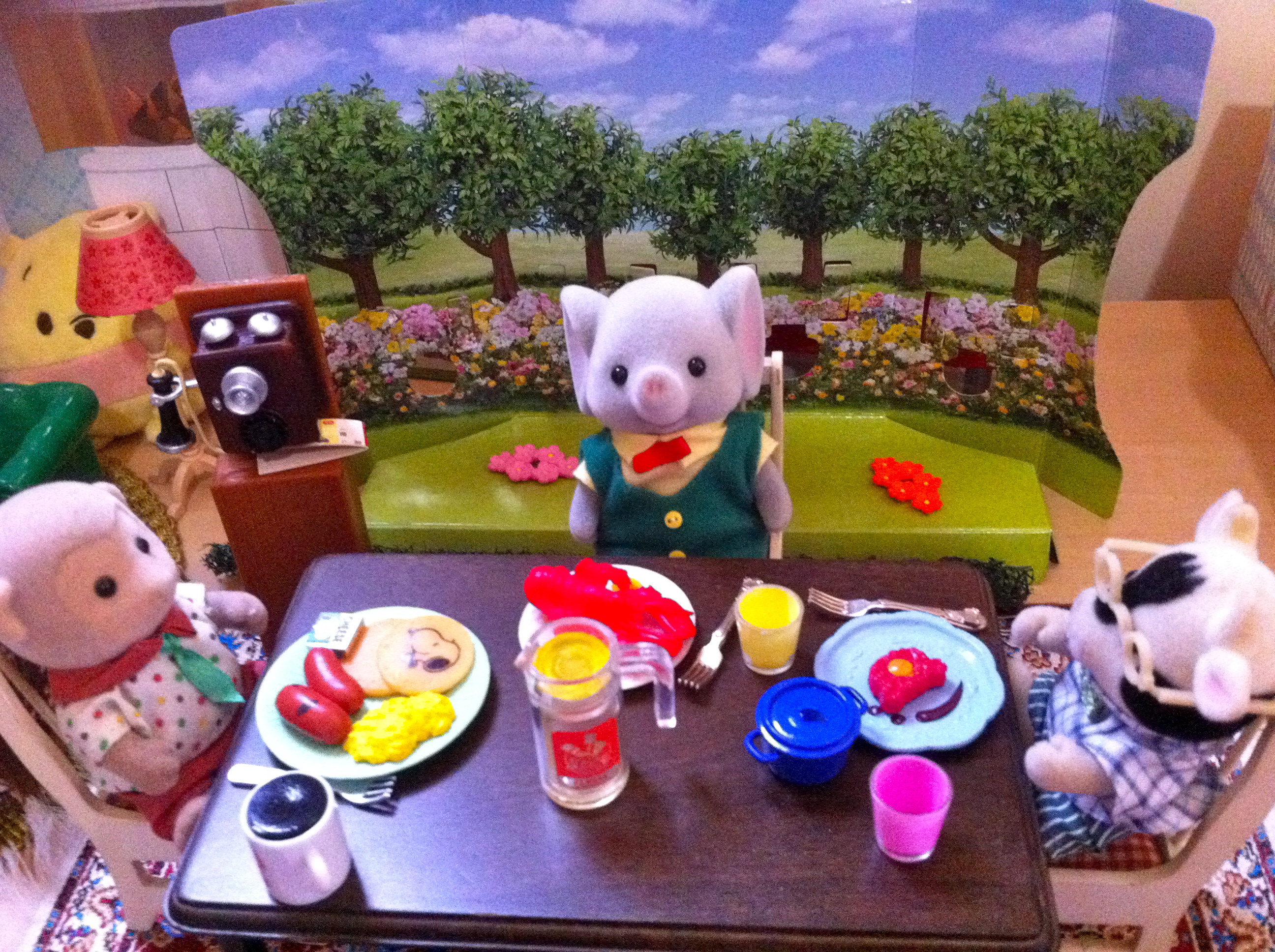 It’s one fine Saturday afternoon, and Hans Bauer and Zeus Magoo are as cheerful and loquacious as sparrows in the morning sky as they are talking away about the weekly panorama of Avonlea,families, and businesses at the delightful brunch hosted by their good business partner John Elephant, who has not only an acute business mind but also intelligence embodied in geniality out of his deep concern for humanity. So as a token of appreciation of individuality, John asked Hans and Zeus in advance of their choices of brunch rather than deciding the menu on his part (or his wife Rachel’s, to be precise). It’s in fact convenient for Rachel to prepare for the guests’ meals and also interesting to detect a trace of character and personality in each of the meals by its ingredients and condiments it accompanies. As tree is known by its fruits, a persona can be interpreted by what he eats to a certain extent because people tend to stick to diets of their choice.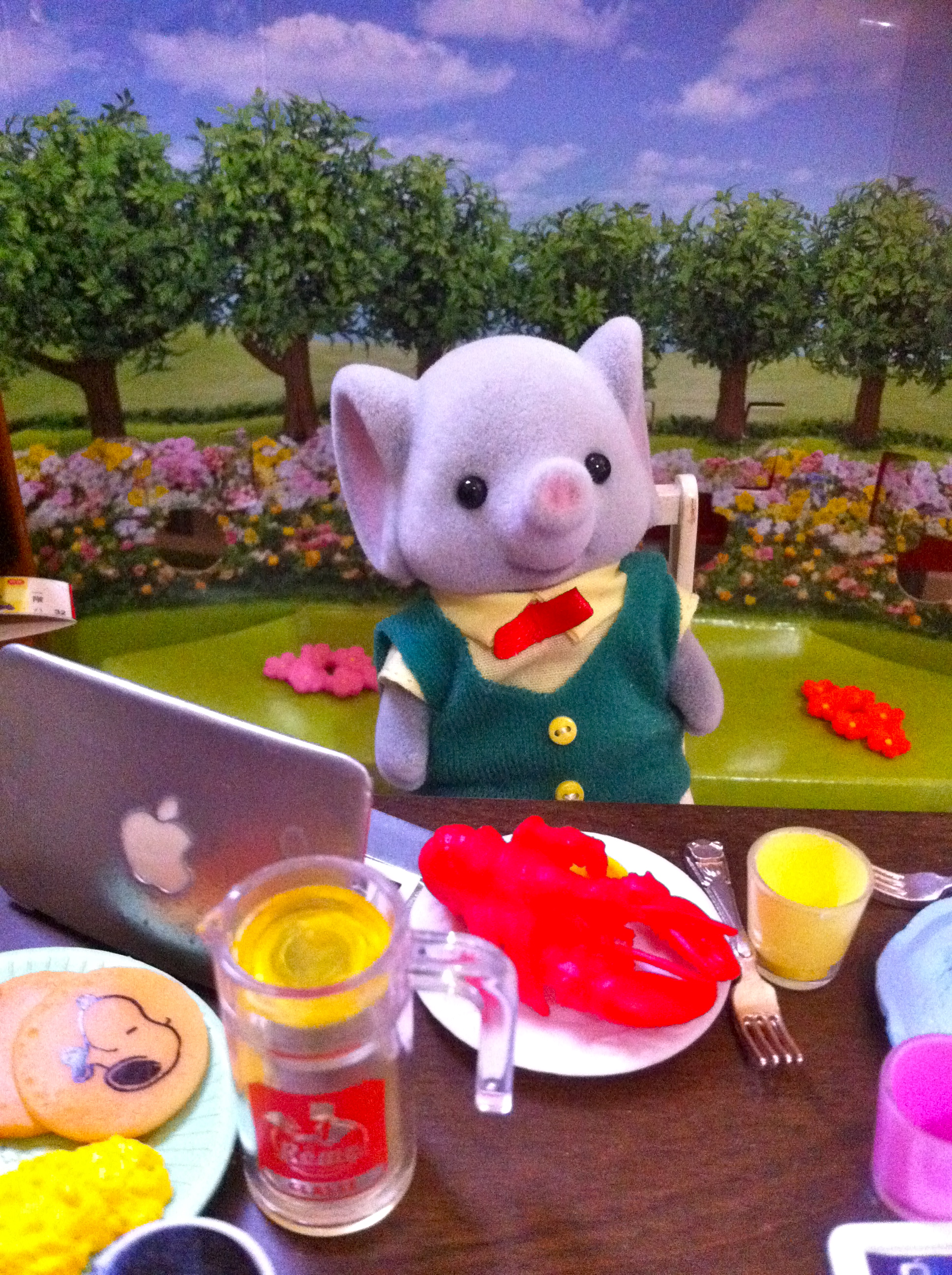
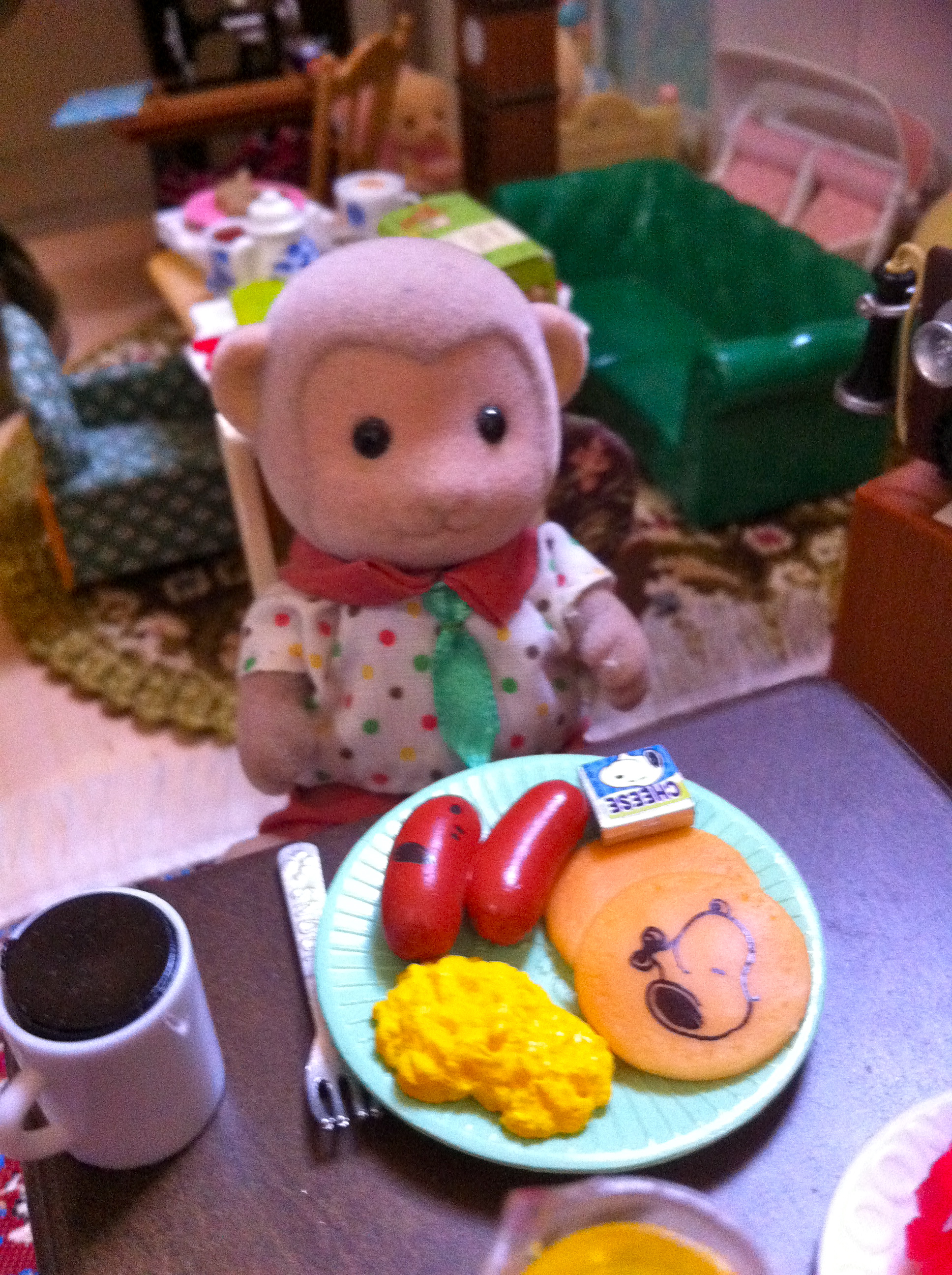 Zeus Magoo, who runs a convenient kiosk on 1291 Suhs Avenue, is surprised by John’s sudden intention of relocation to California because to Zeus moving a place of livinghood with a family, let alone his means of business seems to be too risky a business itself. “Well, it’s a nice idea to get away from the grim East, but I don’t think the nice weather should be the alpha factor to make you decide to uproot your livinghood, John. I mean, you can always vacation there with your family to escape from the blustery winter days, but moving there for good may ensue unforeseeable implications you can’t think of. Of course, you have enough resources to officiate a new residential and business addresses in the Sunshine State, but you need to think about this moving there carefully.”
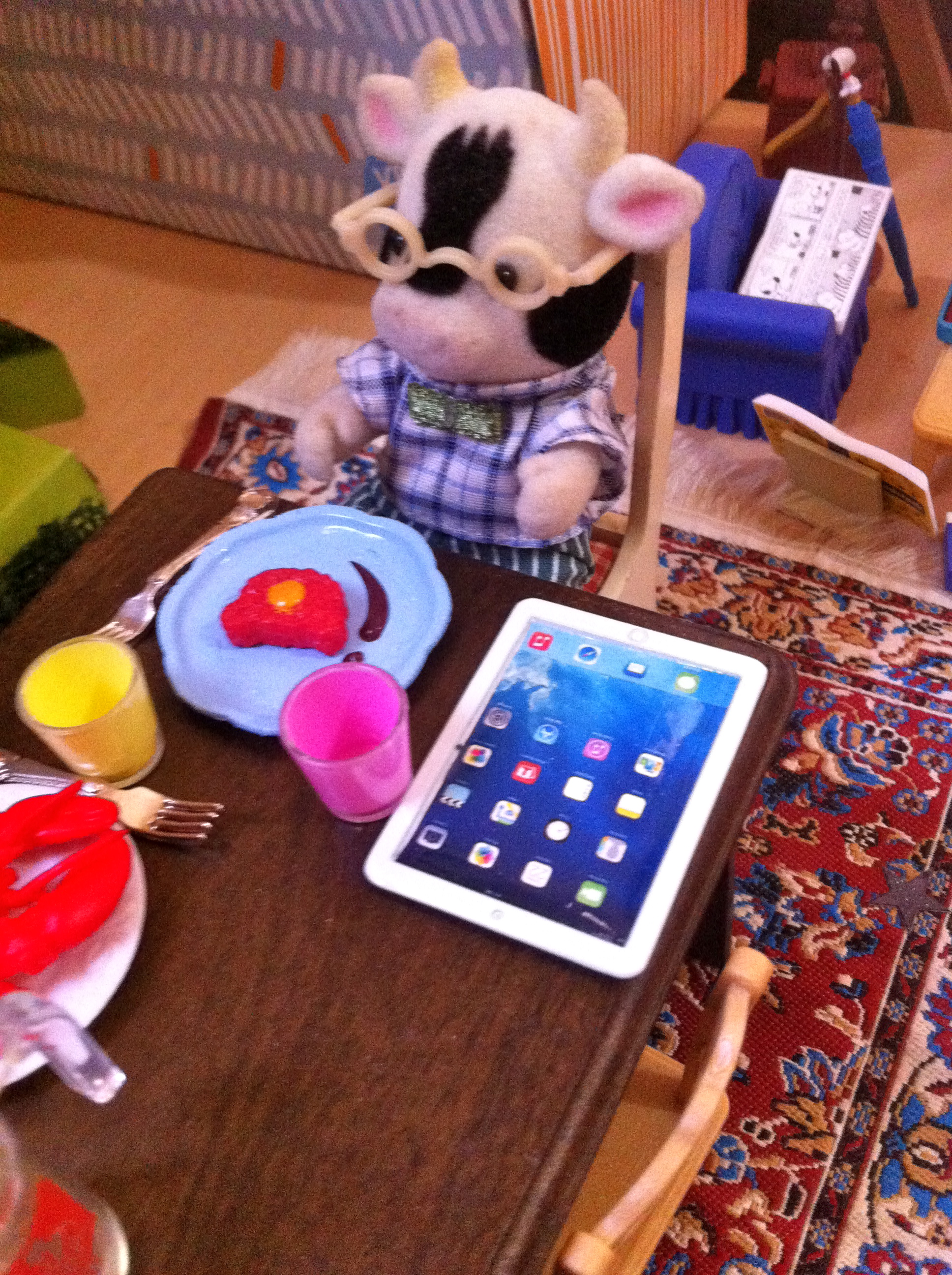 “Yes, I agree with Zeus on that.” Hans Bauer, a tram conductor of thirty years, chimes in with his quiet agreement. “John, you are a man of prudence and sagacity, so it is hardly to expect you to act on impulses or whims. Think again, and think good. We don’t want to lose our trusty John to the Wild West. Surely, the eastern climate is not the most cheerful not salubrious to the sunny temperament, such as you possess, but then it’s not too bad to live here. At least, it’s better than Hanover, where I cam from at the age of eighteen.” Hans is then momentarily carried away by the floaty recollections of his early year with a melody of nostalgia.


You must be logged in to post a comment.