Tag: lyricalprose

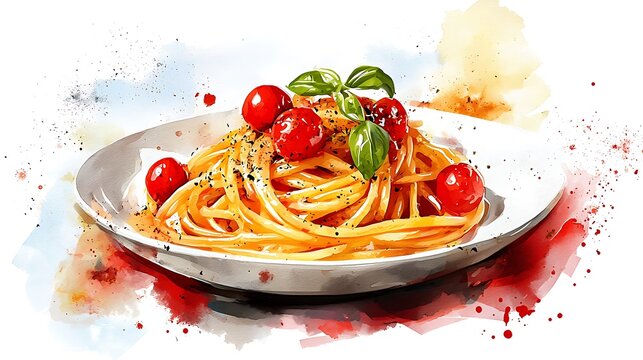
  • Saturday, November 21, 2026 – One-of-a-Kind Tomato Sauce (Saturday reading of ‘A Moment That Changed Me’ by Ioan Marc Jones, published in The Guardian on November 18, 2026)

    Courtesy of Google

    I believe in the happiness of the moment, like when I listen to music I like, eat chocolate and drink a glass of Coke with ice, or see my cats sleeping on my bed when I am awake in the middle of the night. In logotherapy, these are my experiential values, which make me realize I am alive and life is not so unkind to me. For Jones, discovering the delicacy of wonderful pasta with tomato sauce and engaging in the art of cookery reflect creative, experiential, and attitudinal values he has found in the course of finding ways to keep his feet firmly on the ground while setting his eyes on the stars.

    Jones describes himself as a vegetarian who sometimes found himself in line at a KFC counter at night. He wasn’t completely divorced from meat either, like someone who still comes back to his wife because he can’t bear to be without her. He wants her to say “stay.” And Jones knew he was breaking his vow to abstain from meat, but the flesh was weak. It seems to me that it was not only about his pangs of guilt but also an impasse he was experiencing at the time. And I have been there too. I mean, who would not have been? If you say you are exempt from collective guilt, then you are either a beast or a divine being. Super Trooper!

    Shakespeare said there are tides in the affairs of time and that if you put your boat on the tide you will catch a bounty of fish. Maybe visiting the home of his Italian friend from university was his way of meeting that tide. There, the unforgettably delicious pasta with tomato sauce awoke his senses and gave him a zest for life. He explored a land of pastas further to find the treasure of sauces and golden recipes with the support of his beloved. And this course of gathering, learning, and cooking sure catapulted his will to find renewed meaning in life (though that sounds grandiose, it may start with a small pleasure) because it has turned on all three buttons of life: creative, experiential, and attitudinal.

    Herodotus was convinced that the cause of great wars, including the one between Greece and Persia, lay not in sacred missions or concern for the good of the masses, but in conflicts arising from personal interests and misunderstandings. Likewise, you will be surprised to find out that small pleasures like playing with your cats (dogs and birds too), singing along to your favorite songs, and doing creative things give you a sense of purpose and make life feel worth trying again. And again.

  • On A Woman’s Story by Annie Ernaux

    On returning to the quiet joy of reading, one discovers that some stories are not only theirs but yours too. Annie Ernaux’s A Woman’s Story was one of those stories—hers and mine.

    It was one of the days I visited my mom at the convalescent hospital for the elderly when I started reading this story, sitting by her bedside. Call it providence if you are religious or coincidence otherwise, but I wasn’t expecting it to become my story as well about my mom, who had been hospitalized since her stroke in January of this year. It was as though Ernaux was speaking to me as a daughter to daughter about her mom and mine, collapsing time and place and the cultural and social differences between us. No wonder I wanted to finish reading it at one sitting.

    This book is not of a certain literary genre. To call it a biography of her childhood and her mom’s influence on her misses the point of why it took her a year to finish the book. It’s much more than that. The absence of her mom made the author realize her mom’s place in her memory. Her mother was the first witness to Ernaux entering the world naked, and later, to her becoming the woman she is. It’s both a biological and an existential view of the author’s raison d’être. That there is no longer anyone on the other side of the first relationship, which has ended forever. It aches. It lingers. It evanesces. And before all of this will vanish into the ether, Ernaux lives to tell about the presence that was so familiar with her being that not seeing, hearing, and feeling it is painful to bear without letting it take the form of writing because writing is personal yet public, pensive but assertive, and quiet but powerful.

    I can understand the kind of ache the author felt after her mother’s death. Whether you loved her or not, you would never see her in life again. She may live in your vision of the past, but her person as a presence does not exist in this world. And that realization of forever disappearance would throw you into the abyss, stifled, blinded, and muffled—by the ineffable sorrow mixed with mystical longing.

    I think about my mom and me. What if she leaves this world soon—tomorrow, the day after, or anytime soon? Oftentimes, I wake up with indescribable terror at the thought that soon I will lose her to eternity if I breathe, like a panic attack. And it dawns on me that it is this feeling of detachment from the relationship, as the bond between mom and daughter is severed forever.