Tag: Miscellany

  • Toro is back

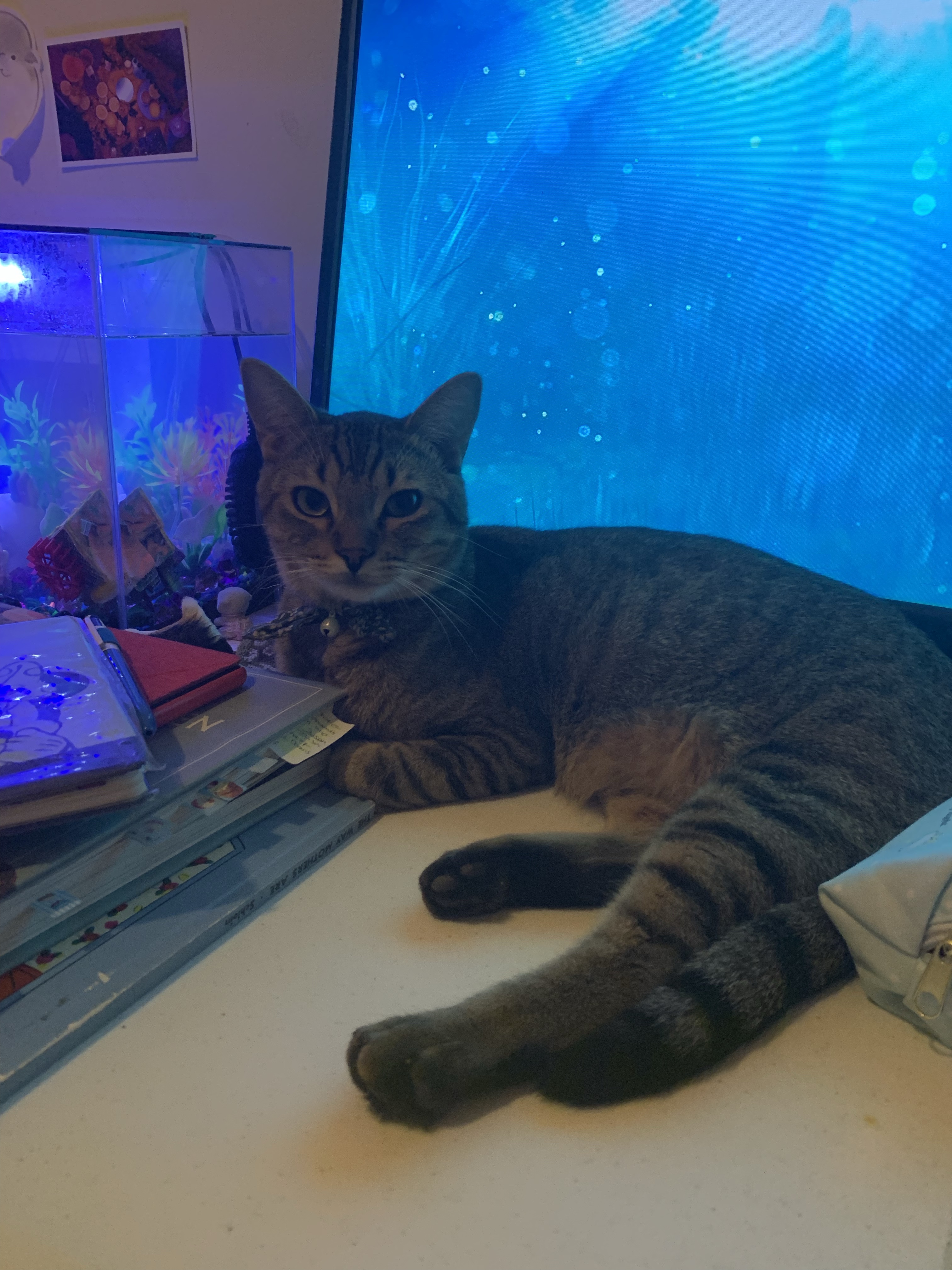
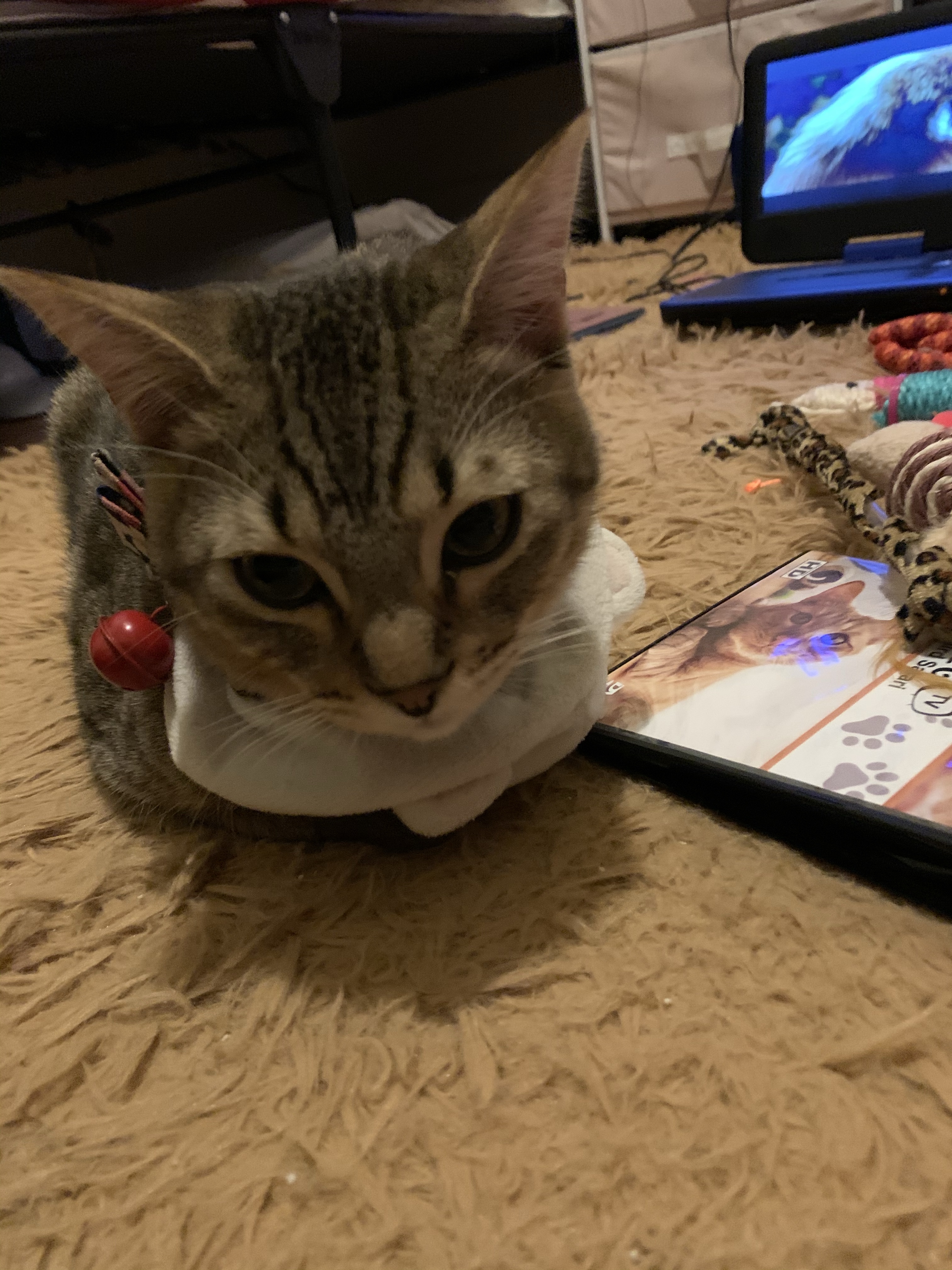
    St. Frances de Sales’s advice, “Have patience with all things but first with yourself.” is no more so than with the three weeks’ heartbreaking ordeal to win back my cat Toro’s trust in me. His traumatic visit to the veterinarian now seems to dissipate across the feline Elysium slowly, or so I want to think. He is not hiding under the bed in my presence, becoming a sweet writing company on my desk once more.
    I have recently watched a YouTube that goes viral about an unlikely friendship between a stray cat and a young woman, which makes me think of my relationship with Toro and what it means to build trust between two lives. The woman found a stray tabby cat around her house and began to acquaint him with food. She named him “Tiger,” not least due to his perspicacious tiger stripes and adorable feistiness, giving him a distinct personality and charms that were all the more endearing to the sensitive woman who was also in need of company in her solitude.

    Thenceforth, they became complementary to each other for consolation, security, and most of all, love. Tiger is still his feisty self, and the woman is still trying to adjust herself to his whims and caprice. Still, they feel comfortable in their presence and love. The tears welled in the windows of her soul when she said that building trust between two took time and patience. You can’t make someone love you arbitrarily by force. You don’t need a love spell or magic potion to enslave someone into your desire of possessing the body and mind, as the ancient Greeks and Romans used to. Without Psyche, Eros would not/could not have culminated in perfecting the art of love as a primordial god of Love.
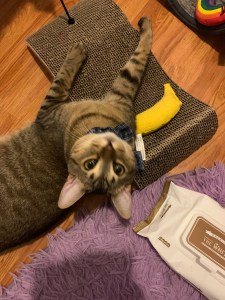
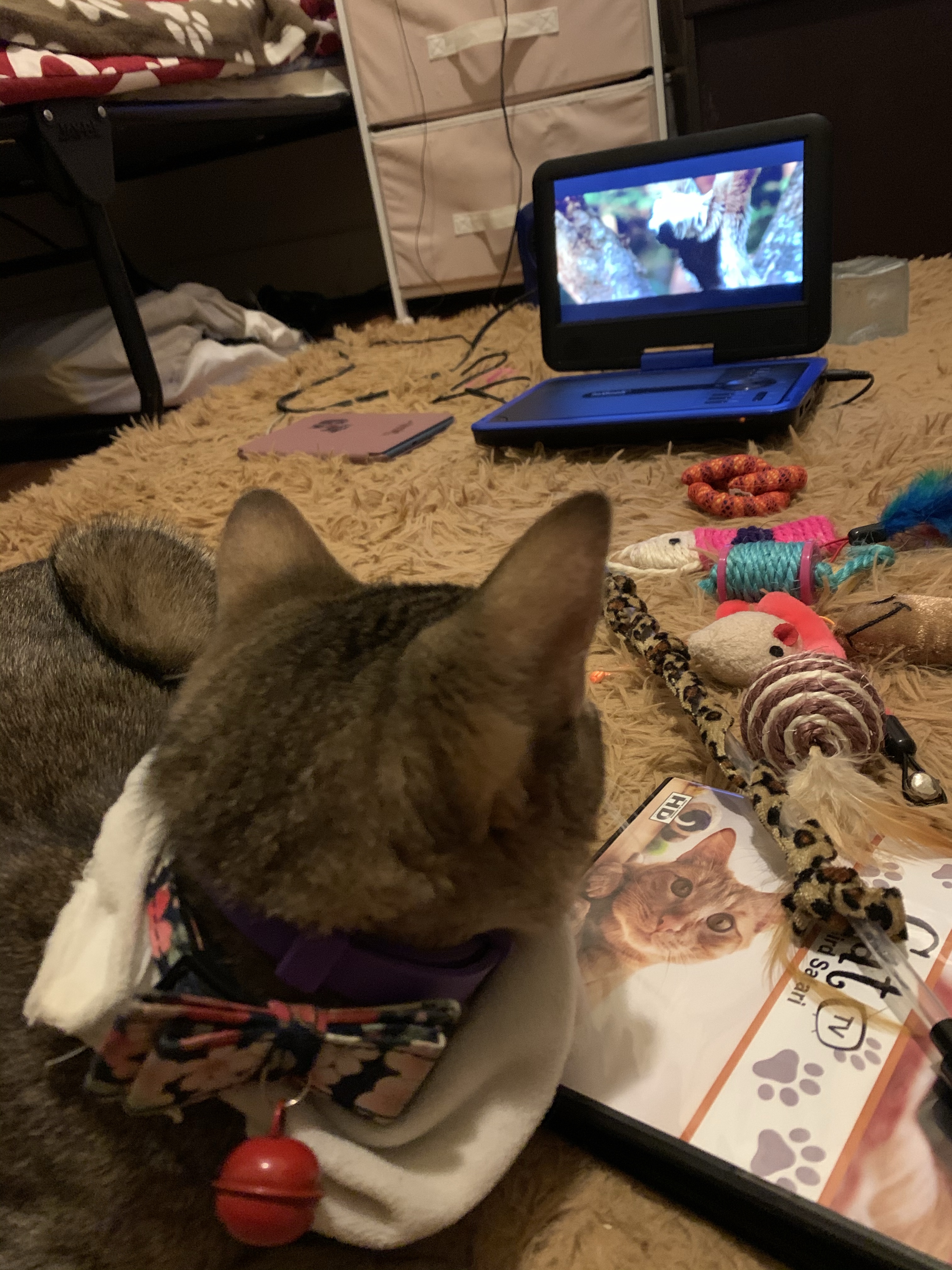
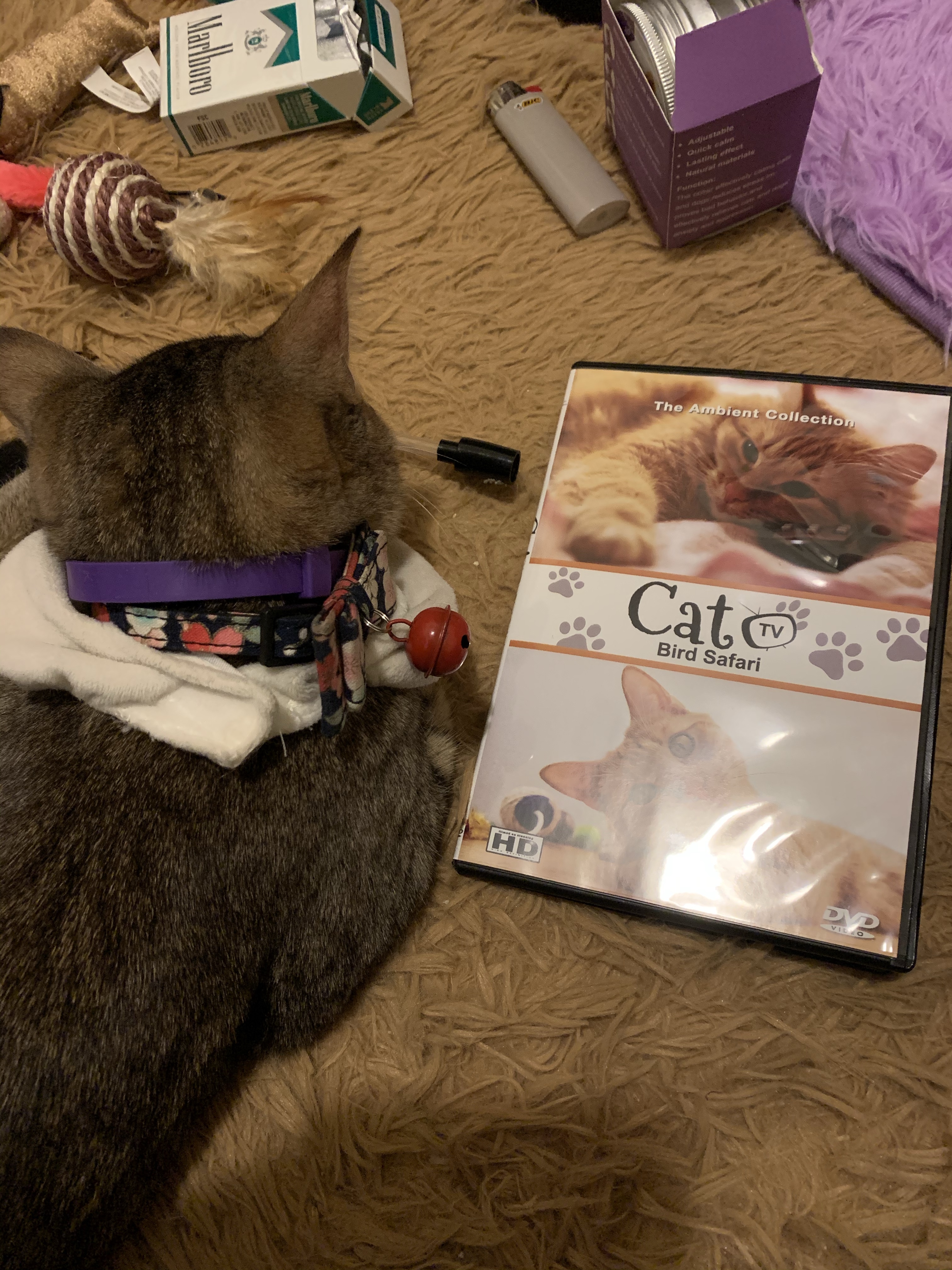
    Toro is in some way like Tiger: his name means a little tiger in Japanese with his distinctive stripes, and M signature proudly marked on his little forehead. Although not as feisty as Tiger, Toro has a remarkable personality of adventurousness, curiosity, playfulness, and resilience, all affectionately wrapped in his good nature. But I don’t take for granted that wonderful Toro is my cat, and therefore, I deserve his trust and love. Animals, especially pets, also have hearts that pump up the blood and feel the feelings. I regard them as friends, companions to enrich our existential human lives with a touch of sentimentality that we hardly express when we are among our species in fear of being regarded as a sign of weakness. And I am always thrilled to feel his little heart at my feet as a friend.

  • Psychology of a cat

    Toro after a visit to the vet in Little Tokyo

    When my eleven-months old cat Toro started drooling in white foams last Wednesday evening after swallowing a tiny flying insect in my bedroom, I was in a panic. I called nearby emergencies, describing the state Toro was in, but they told me his symptoms were not regarded as critical. Instead, they told me to monitor him, so I did. He stopped drooling the next day and drank a lot of water. Nevertheless, my concern was still growing, doubled with regret that Toro should have met an owner in a vast, spacious home with that which would make him happy. The pang of grief punctuated my already broken heart, and I was distraught.

    “I am not feeling very well.”

    Luckily, a vet to whom I had previously taken Toro for his difficulty in excreting in Little Tokyo said she could see Toro on Saturday morning. The waiting period until the appointment was an ordeal by the torture of the heart. My spirit was sunk in a sea of sadness, blaming myself for not providing Toro the optimum environment to thrive in his best feline nature. The bedroom is so tiny that it is more of a den, and the living room where my elderly infirm mother spends most of the day intermittently is off-limit to Toro by keeping him alone during the day when I am working. My evening playing with him might probably bore him to death because my lack of creativity fails to invent more stimulating kinds of play that will perk up his energy. I cannot help but think that I am becoming a bane of Toro’s existence, the cause of his unhappiness.

    Pre-idopathic cytitis diagnosis time when Toro liked me

    To pour lead on my open wound in the heart, when I finally took Toro to the vet on Saturday, she diagnosed him with idiopathic cystitis. She showed me a scanned copy of Toro’s mildly swollen bladders with information on the illness caused by stress. That’s it. The diagnosis realized my imagination and shattered a slim hope of something other than STRESS. I see all the cares I had given to Toro as best as I could beyond my measure by taking him to vets and telling him how much I loved him as much as I could dissipate into the elusive dreams of my little happiness with Toro. My happy moments with Toro vanished into yesterdays, bidding farewells to tomorrows.

    “More exciting play!”

    It’s been a week since the diagnosis, and now Toro has changed. Toro now hides under the bed, doesn’t come up to my bed, and avoids me when I am home. Besides, he doesn’t eat as much as he used to, about which the vet told me to be patient because that could be the effect of changing his prescriptive diet from gastrointestinal to urinary care. What is strange about his sudden change of behaviors is that he was never like this from his previous visits to vets. Come what may, Toro seems to be unhappy, and I am very downtrodden for his changed behavior. He was the only one who showed me his affection.

    Toro in his whimsical mood for playing

    I still remember his adorable, curious big eyes peeping out of an opening from a box carrier when I brought him from Ventura Animal Shelter last August at the age of nine weeks. Purring and kneading are long gone. My reason suggests that re-homing Toro is the best I can do for his happiness, yet my heart tells me not to listen to it and look for another place for a better living environment. Nevertheless, I yield to my heart’s voice and want to believe that there is still hope for us to be happy in a better living condition. I hope to see mirth wonton around us and happiness sparkle before our very eyes soon.

  • ‘The Fugitive’ (1993 Film) – film review

    The Fugitive (1993) is an adventure and a drama cleverly put together by the elements of popular entertainment and thought-provoking thematic subject of human nature in dealing with the malice of fortune. It consists of elegant scripts, solid storyline, and outstanding performance of the already cracking cast with Harrison Ford as the Fugitive and Tommy Lee Jones as Senior Deputy U.S. Marshall. Brilliantly, veteran actors do not vie for the best shot of cameras to claim the title of Hollywood aristocracy. Still, they only do their very best to portray their roles as possessed by their fictional characters.

    Ford plays the role of a renowned cardiologist with the brain and the heart to care for patients in need. Then one day, the doctor finds himself on the run for the crime he didn’t commit, and above all, for the love of his wife. He has to find who killed his beloved wife, and the Marshall played by Jones has to catch him alive because, well, it’s his job. So much so that when the doctor confronts the Marshall face to face within an arm’s reach and tells the latter that he didn’t kill his wife, the henchman of law says, “I don’t care!” But the marshal isn’t all grim-faced reaper of death hell-bent on capturing the Fugitive, which makes him hard to dislike. Both the Fugitive and the marshal are alike as the mythological Teumessian Fox that never gets caught and the Laelaps Dog that never fails to catch, whether they like it or not.

    Harrison Ford is one of the greatest American actors whom I think belongs to the last 20th century’s Hollywood nobility of actors, including still alive Clint Eastwood. He has the face of a romantic adventurer, an intelligent doctor, an ambitious corporate man, and a no-nonsense prosecutor. From the galaxy far away to the offices in cities, Ford is a protean actor who can pull out the characters as if conjuring them from his grimoire without trying too hard or with overtly effusive sex appeal. The emotions wanting to outburst are nuanced in the power of his voice carried in the elliptical words. He is an action adventurer who seems so natural living in our real-world yet so ideal on-screen, making us wonder whether life imitates art and vice versa.

    The Fugitive is worth watching again if you want to watch something smart and thrilling to forget about the momentary existential dilemma or frustrations. The movie is at present for free to view if you are an amazon prime member. It is a one-of-kind American movie that has become a classic of our own time, and I wish there would be more movies such as this.

  • Playing goddess fortuna

    Aristotle averred that man is a political animal by nature. Anyone uninterested in politics is either a divine being or a beast considering his contemporary volatile political situations in city-states due to the Peloponnesian War. He must have noticed that an unstable government naturally spawned the populace’s grunts, usually in matters of economic hardship and arbitrary measures of civil conduct. That was millenniums ago; you might say, at least not in the United States, some might say. Then why are the scenes of the disaffected ancient Athenians overlapping with those of the disappointed Americans now at the end of this Pandemic Year like an army of living ghosts in my mind’s eye?

    It all began with Covid-19 that showed politicians’ true colors, which are neither bright nor dark but only gray, grayer, and grayest. To add clarity to the grayness, the current tug-of-war in Capitol Hill regarding the Economic Impact Payment (“stimulus check”). The sudden news of the second stimulus check was a dim light of high hope for low heaven for most people whose livelihood depended on paychecks from work, social services, or other possible aid agencies. Then another beam of hope shone from the Congress that they would push for a higher amount of the stimulus check to be passed in the Senate. Woe betides anyone who believed in human kindness! The big wigs in the Senate thought that the increased amount of the check would be spent inordinately by people who would not need the monetary aid, such as the employed and others unqualified for whatever deemed unfit in the eyes of the moralists confusing coldness with principles.

    As the Pythagorean theorem does not formulate life, no one can expect the exact sum of need, subject to individual circumstances. As in other countries, our political leaders do not have the right to measure their political rhetorics with personal egos in the guise of moral rectitude. They should not dictate what people do with the government-issued pittance because that the first and foremost a sign of totalitarianism over individual freedom. Once the money is given, then it’s up to the donee how it is spent, come what may. Besides, the amount of stimulus check is not as generous as the senate majority thinks. It barely covers a month worth of food, transportation, and some utility bills in most households. But then, beggars can’t be choosers. People want it, and they want it now to get by. Does the Senate know about it? I doubt it.

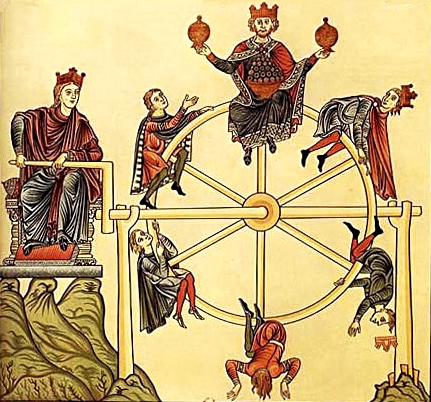
    Those who regard folks in need of financial aid as the annoying mendicants mooching off others’ packets should know that the swift is not to victory, the strong not to wealth, but time and chance befall to all. The government should not play the role of the goddess of fortune blindfolded spinning the wheel of fortune, missing the wheel’s lucky compass to those in need of it.

  • my life with a cat so far

    The period of four months can be long or short, depending upon how you feel it, and to me, it amounts to a long time that has changed my life in every possible way akin to an epoch of revolution. My life with an orphaned kitten named Toro has become a fugue of meows and voices in multiple strands of more meows and voices that has no coda.

    During the four months, Toro and I had anfractuous moments made of frequent visits to different veterinarians, displays of whims and caprice on both sides, tears and smiles, frustration and understanding, doubts and hopes, wishes and disappointments, all of which are crystallized into a virtue of acceptance. I still cannot believe that I have a cat when I still have a weakness for more domesticated, more trainable, and more approachable canine breeds. This doubt develops into a sense of guilt, a whirlpool of self-criticism of not being good enough to be a loving owner of Toro, who is particularly in need of love and kindness due to his sensitive nature and suspected traumatic postnatal experience. Those educative textual and visual information on raising cats dissipates into a gray area of reality and stay there amid my trials and errors in the course of being a terrific guardian whom Toro wishes to live with. Does Toro want to live with another owner who can make him happy in a bigger house where he can run like his wild ancestors or cousins in nature with his new playmates? I ask Toro, but he returns me with that pensive glance and grooms himself like nothing more is necessary than licking his legs and rectum.


    My mother still wants me to return Toro to the shelter because his burst of pep and temper is unprecedentedly unbridled and insurmountable to be caught up with. Then I read other cat owners’ stories and watch their YouTube channels only to make parallels to their blissful lives with their cats and to descend to the labyrinth of gloom and sorrow without an exit. My previous post about my precipitated proclamation of a mutually beneficiary feeling of dependency becomes a public humiliation, a textual pillory of an incompetent cat owner who has no idea about the animal that does not like to be with her the first place. Or so it seems. Alas, woe to the one whose head is whirled like a potter’s wheel in the vortex of confusion, illusion, and discord in a da capo.

    Notwithstanding all of the above, one thing is sure that Toro’s wellbeing, both mentally and physically, is what I care about the most. I have taken him to three different vets so far due to his frequent diarrhea, constipation, and anal pain repeating like Bach’s Toccata. Even if Toro may indeed secretly entertains a wish to meet a new ideal owner, I want to take care of him as much as I can to the fullest extent within my capabilities because I care about him and want to be happy together. His little heartbeat I feel in my hand and when he sleeps at my feet is the most precious thing I treasure that empowers me with a sense of purpose that I have a life depending on me.

  • The Wings of Writing – on reading Samuel Johnson’s essay on writing

    Suppose a brownie or a leprechaun I happen to rescue from a Gargamel lookalike wizard insists what my three wishes are as a quid pro quo (depending upon how friendly the fairy is). In that case, I will say forthwith one of them is the Marvel of Writing, which I have lost somewhere in the course of life. I can turn myself into a great writer with the magical pyramid of power from a hodge-podge reality of indigested letters of reality as black as Persian Night.

    Johnson’s essay on the role of the scholar evolves from Francis Bacon’s adage: “Reading makes a full man, conference a ready man, and writing an exact man.” It rings a bell with the Nietzschean idea of Superhuman, superseding any mortals known for their erudition perennially enshrined in the history of human civilizations. A truly knowledgeable person I principally associate with a great writer can digest what he reads, explain it to others in facile terms, and substantialize it in writing, a mental Osmotic process that nourishes the mind and invigorates the body.

    Although I agree with Bacon as Johnson did, I am more with their ancient Greek teacher Socrates. Socrates warned his pupils about regurgitating what they heard from his lectures without putting it in their own words. That was one reason why the great philosopher disapproved of writing practice that had just emerged in his time. Copying letters of others without understanding them on his own would stun the cognitive powers rather than promote a broader and deeper range of cognition. Reading was not as popular in Socrates’ time as in ours because it was at the beginning of the new intellectual dawn of Greek Civilization. So, Socrates was a thinker, neither a reader of texts, nor a writer of tablets. Does this make him less of his students Plato and Aristotle?

    Does the amount of reading necessitate that of writing? Wouldn’t too many words go undigested inside and clog the pipes of thoughts when writing? For example, an ambitious amateur writer wants to write as if she were possessed by the spirit of Patience Worth, who transformed an ordinary homemaker into a brilliant writer. She adheres to a writer’s gospel of “Read a lot. Write a lot,” but it is easy to be said than to be done. The more she reads, the worse she writes. She wants to reason the perplexing reason with frustration and disappointment. She feels lost in the middle of midtown Manhattan where there are many streets and avenues but nowhere is her niche. Yet once she gets out of town, the state, the coast, her mind becomes clear, imbued with a fresh breath of inspiration that moves her hands on the keyboards automatically. Contrary to Johnson’s opinion that grandstands with all other established writers and academics, the amateur writer feels liberated from a siege of letters that intimidated her army of thoughts equipped in her design of armors and shields with her coat of arms sovereign and beautiful. Her reasoning power was buried under a chaos of indigested learning.

    Although Johnson’s magnanimous advice of the equilibrium of reading, writing, and speaking on a writer’s continuum is respectful and worth reading, its reality is subject to the individual aptitudes of learning, ways of reasoning, and natural dispositions. One may write better because of reading more, while the other has the opposite consequence. A hermit – let us say more realistically, an introvert – is not always an incompetent, anti-social, sullen loner whose airy petulance barricades against others whose intelligence may seem intimidating to be dealt with. I think to write more is far better critical than to read more because writing is a sovereign act of expressing an individual mind and spirit, free from the comparison of the florid words of others with the writer’s own that would dispirit the vivacity of the creative spirit. To conclude, I thank Thomas Mann for his affirmative saying:” Solitude produces originality, bold and astonishing beauty, poetry.” Truth is truth to the end of reckoning. Then it is yet another truth of others, not necessarily yours.