Tag: philosophy

  • Chariot of Heart and Mind

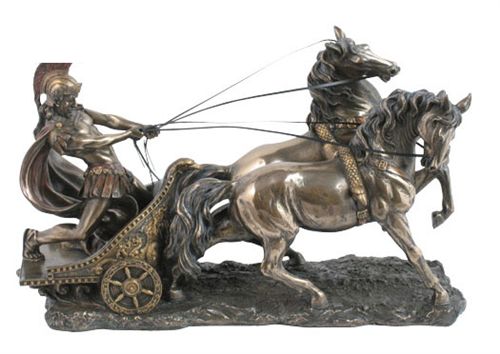
    The chariot has two horses

    Called Heart and Mind

    racing in their own fury

    Neighing in the strokes of urges

    Spurred by the driver’s goading

    Hard and harder, fast and faster

    As the horses are galloping

    On the long and winding road

    Toward the unknown end.

  • ‘Ancient Magic’, by Philip Matyszak – book review

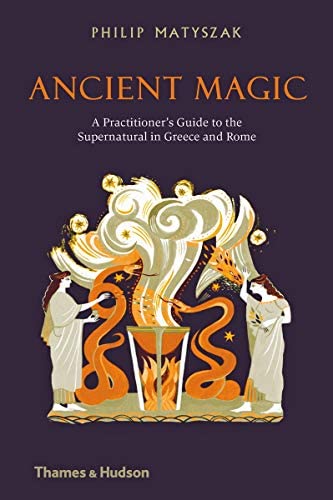
    Ancient Magic: A Practitioner’s Guide to the Supernatural in Greece and Rome by Philip Matyszak

    My rating: 5 of 5 stars


    Magic in ancient Greece and Rome was an art of crafting natural force with a bit of help from the world of gods and spirits wonderous to the user without fully knowing them. Contrary to traditional orthodox Christian teachings, magic was not associated by default with sorcery privileged to an esoteric spiritual elitist often dark and sinister. To the ancient Greeks and Romans, magic was their belief system, part of their modus vivendi in everyday life from slaves to emperors in the sense that we go to doctors or counselors. In a word, magic, as we understand now, was not so much deviltry as a variety of rituals of individual petitions pleaded for the fulfillment, which even the tremendous ancient minds regarded worthwhile to record.

    Before the era of Christianity, the concept of magic was often interchangeably used with the knowledge of natural and supernatural worlds, which the ancients saw as not impossible to cross in between and thus believed the ghosts and the afterlife. Plato and Pliny, the Elder, advised no mortals go to graves alone after dark because there the restless souls of the dead not crossing the Styx, wandered. The most significant of the ghost story is Pliny the Younger’s letter to his friend Licinius Sura. He tells of the philosopher Athenodorus, a stoic astronomer and tutor to Octavian, the future emperor, witnessing a ghost of an old man in shackles showing his improper burial site.

    Magic encompasses auguries and omens by the flights of birds, spells, and potions to charm the figures of desires, and the astrological signs in the ascendant at births and the sun, all of which to make uncertain futures known as guides to walk the paths of life to arrive at the fates. Matyszak tells the reader in the capacity of a Virgil leading Dante to the Underworld that seers at Delphi and Cumae were relatively easy to foretell the futures, which were unchangeable. Their acute intuition took a dreamy leap to poetically versed oracle pronouncement in the background of ethylene atmosphere and told what the petitioners could do at their best to deal with what laid ahead of them because there was no more than one fixed future.

    The book invites the reader into the world of magic like never before because knowledge is a composite of Herodotus, Plutarch, Pliny the Younger, Socrates, and Plato. They took the extraordinary subject seriously because it was part of their daily lives bordering on a thin line of the spiritual world that was as real as they were. The book is written in a language accessible to all spectrums of education and walks of life. It is philosophy, religion, and history magically mixed in the author’s magic potion of erudition that significantly produces learning charmed in natural wits.


    View all my reviews

  • Aesop’s Fables

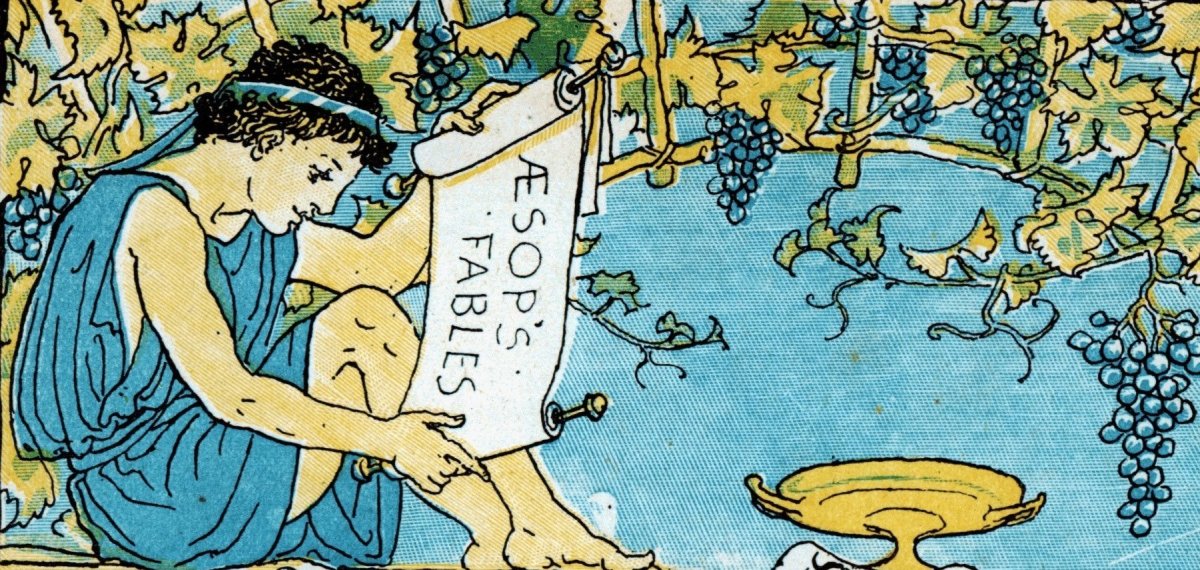
    Aesop’s Fables by Aesop

    My rating: 5 of 5 stars


    Last week, I reread Aesop’s Fables as an adult (that is, in terms of the ages on an evolutionary scale) in the 21st century and found them just as attractive as the first time reading it as a child. What a feeling! A freed slave once, Aesop’s natural wit combined with protean imagination made him able to investigate the essence of things, the nature of things, and attribute it to human nature’s characteristics, which ultimately brought him mortal death and immortal life. He was, in a way, a lot like Hephaestus, the god of fire, blacksmith, presider of the arts, and the only legal husband of the goddess of love and beauty Aphrodite who found him unbearably unromantically ugly.

    Aesop’s Fables still scintillates in the brilliance of affabulation and humor that nicely relates to Nietzsche’s concept of immanence, the understanding of nature of all things; the Natural Law called conscience the supreme ruler of the universe has inculcated in us. The Fables are full of lessons that are akin to Jesus’s parables employed in his teaching of ethical codes for Christians in daily life. Of course, Aesop was of the Pre-Jesus era. Still, his stories bespeak something of human nature that had already existed, which is ongoing and will continue as long as humanity exists. The cardinal virtues of prudence, justice, temperance, fortitude, and Christian values of faith, hope, and charity are all embroidered on the elliptical, imaginative, and impressive episodes of and among humans, animals, and even gods in this immemorial anthology of ancient wits. “The North Wind and the Sun” teaches about the force of gentility over the fear of intimidation. “The Woman and Her Hen” resonates with the timeless adage of everything in moderation. “The Milkmaid and her Milk Pail” corroborates the famous proverb that you should keep a bird in your hand than catch two in a bush. Treating others in a way you want in reciprocity illustrates the dinner scenes in “The Fox and the Stork.” And yes, I believe President Ted Roosevelt must have gotten inspiration from “The Astronomer” that you should look at the stars while keeping your foot firmly on the ground. And there are more stories to wow modern readers.

    Aesop’s Fables are so practical and amusing that all of them collapse millenniums between his telling and our reading it. Besides, all of them read like Book of Proverbs or Psalms in free verse or prose version, which makes the reader unburdened with textual analysis to decipher meanings intentionally obfuscated by the high intellect the academic writers of the sort. The Fables are comprehensive to all, serving a purpose of providing tenets of reading; to bestow pleasure of the sense and satisfaction of reason in a way you do not consult a help of a dictionary or other lexical or literary reference. Reading the Fables gives a feeling of watching a TV cartoon, say Woody Woodpecker, which tells something about man’s nature wrapped in an animal hide. So do not fear reading Aesop’s Fables now. It is well worth spending your free time discovering the universality of the truth with that “A-Ha!” moment regardless of the subjectivity of time.


    View all my reviews

  • A perfect cat owner?: confession of a novice

    I remember watching the cat guru Jackson Galaxy’s post on YouTube about a prison where a group of inmates is assigned each cat for mental and a behavioral correctional program. The inmates seemed calm and content just as their foster feline friends reflected and talked of the amazing effects on their hearts hardened by the world never kind to them. The images of a condemned man in a cell and a homeless cat from a shelter became a beautiful impressionist painting with an air of serenity wrapped up in the soft sweet twilight colored by the warm hues of pleasantness that filled the canvass and stayed in the heart of the beholder – forever. The loneliness cut in halves transformed into togetherness, and there was nothing else but the mutual need for love and care. With the picturesque imagery engraved in my heart’s shrine, I cannot help but question the generic prerequisites for being an ideal cat owner indoctrinated by those professing to know things about pets. The doctrines of a perfect cat owner are as follows: you have to live in a space wide enough for her to exercise her natural hunting instinct, to have another cat to prevent anxiety, aggression, and loneliness, and most of all, to be a near-perfect human full of love and understanding blessed with material means to satisfy the need of a cat to the extent possible. The protocols remind me of eugenics elements by which only the best males and females can produce offspring desirable for humankind. Only the superhuman race can fall in love, beget children, and raise them to be perfect in physical and mental attributes to continue the Superhumanity. On the same token, being an ideal cat owner is to be an ideal person who deserves love from nature because of his ideally perfect being—quite the Nietzschean idea of Superhumanity. 

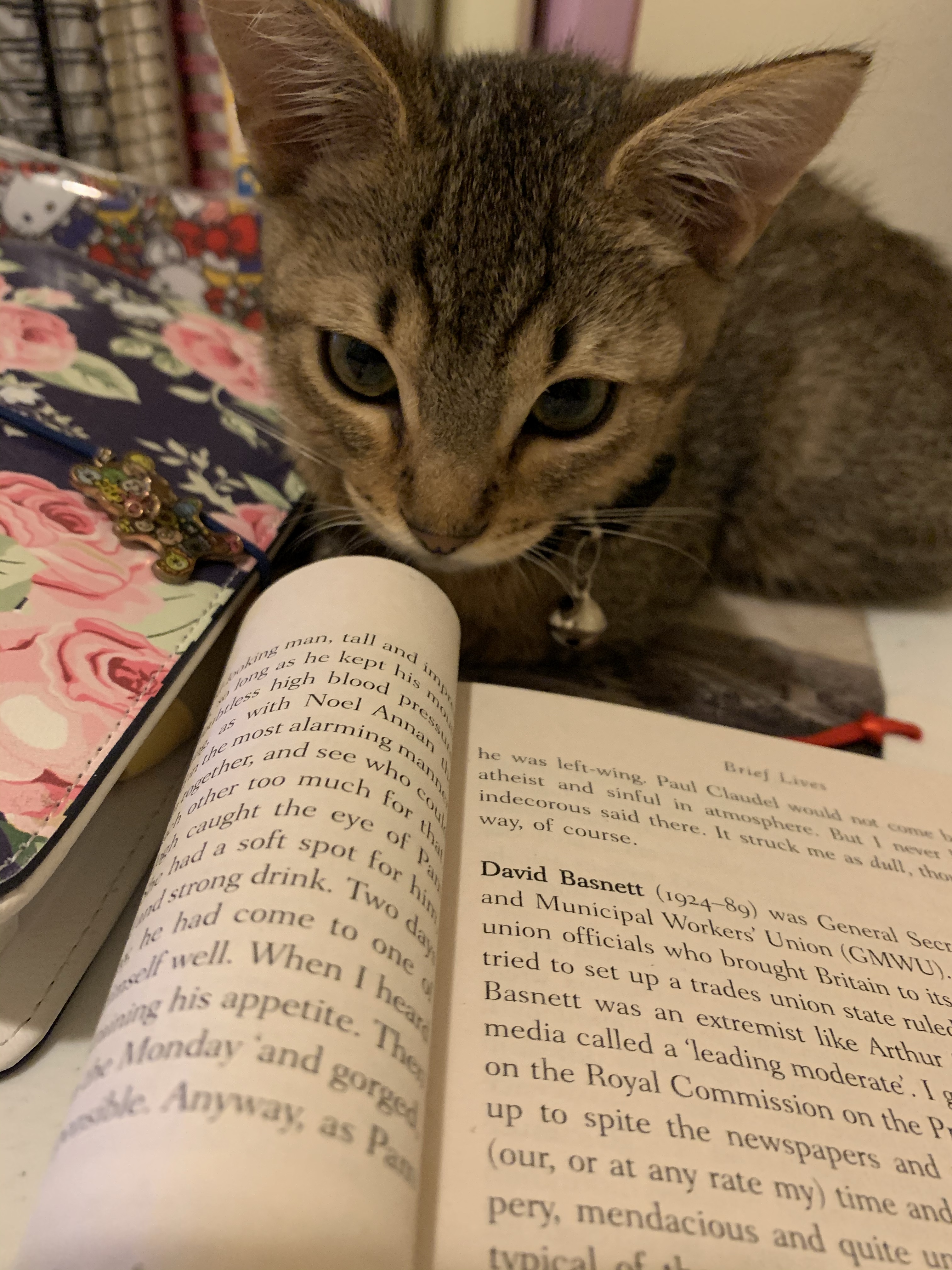
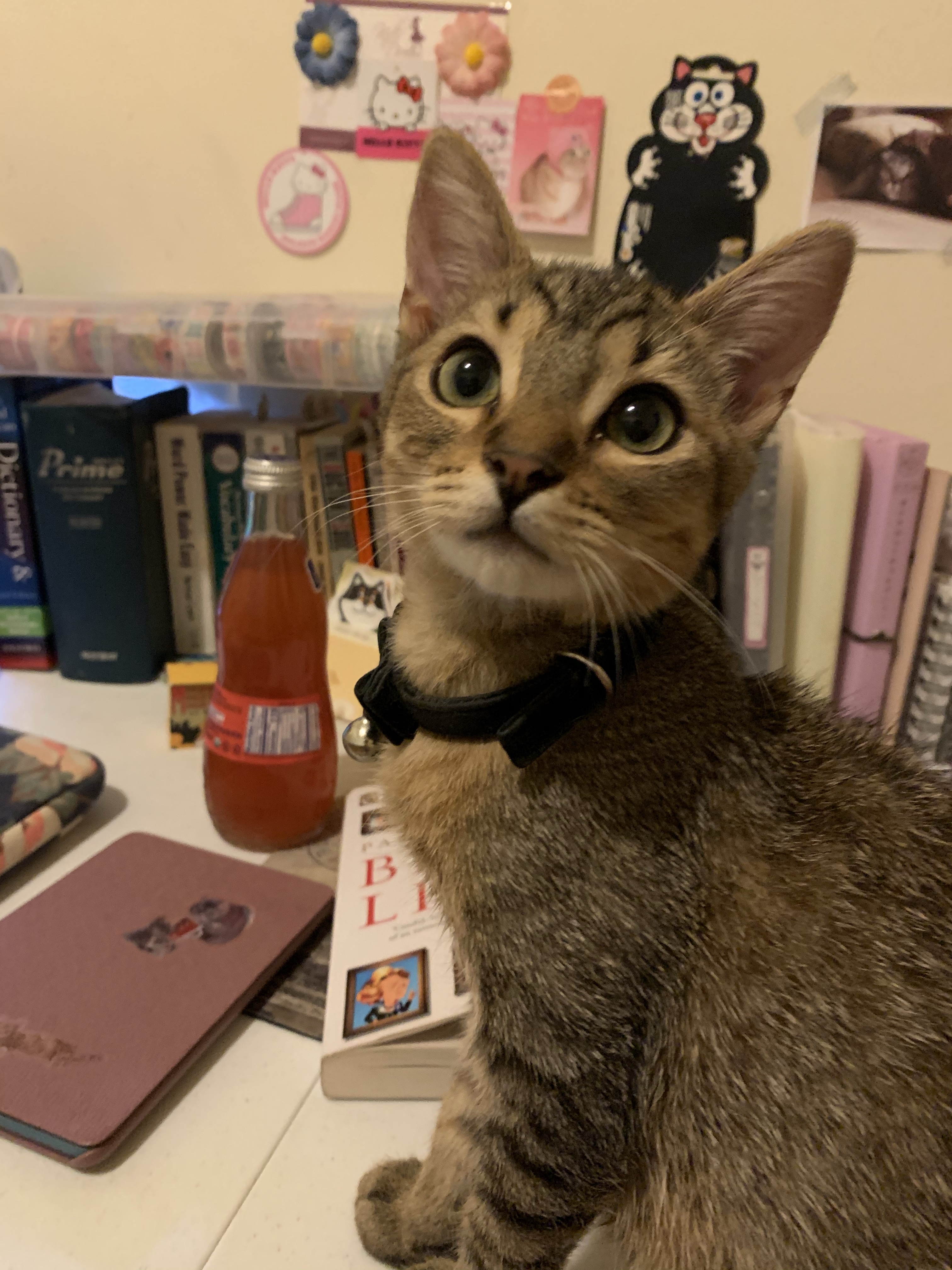
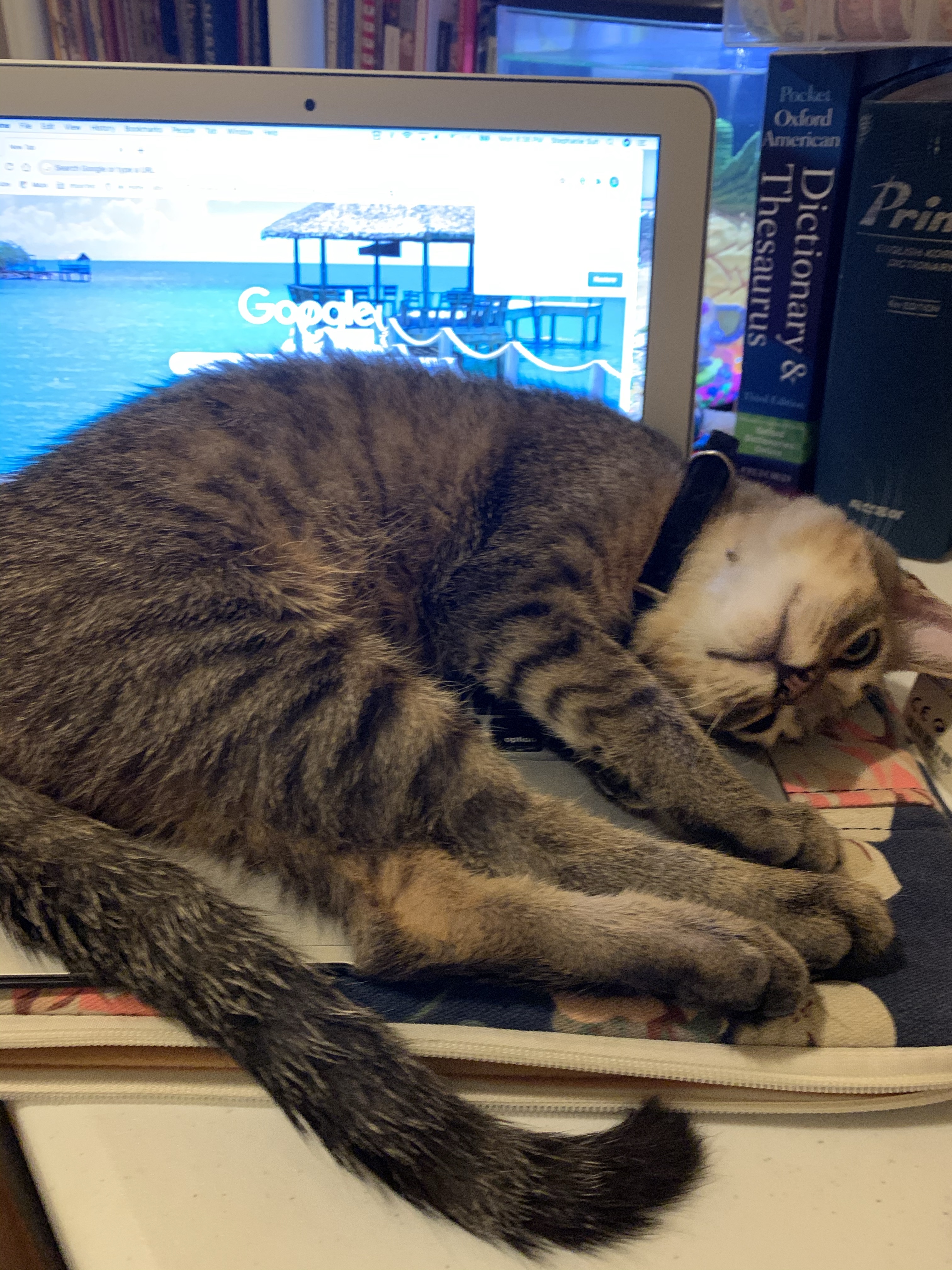
    An ideal cat owner’s doctrines align against the condemned man’s images and the homeless cat in a cell. Then I also look at my 4-month old tabby cat Toro, whom I adopted from a shelter three months ago. Is he unhappy with me in this tiny apartment room? Is it because of boredom and separation anxiety doubled with a significant change of environment from pastoral life to city life that has driven him to a sudden pulsing and biting my hands and feet? Does he hate me because I leave him at home all day long with a mother who hates him when I go to work? Does he want to leave me and be adopted to a loving, perfect new owner because of my imperfection? Am I less qualified than the inmate to have a cat altogether? The thoughts smothered under the ineffective veil of forced positivism have reached the point where they can no more bear the suffocation and begun to erupt the lavas in the fiery magnitude.


    As a first-time pet owner, I like to think that it is not a coincidence but Providence that Toro has come to my life because he was the only kitten who came to me and my brother bunting his little flurry head against our hands through the cold metals of the cage in the shelter. Toro and I are much alike in many aspects: leisured time in seclusion, uncompromising individuality, insatiable curiosity, innate sensitivity, and unfailing feistiness. We also instinctively know each other’s mood because when I am dejected, Toro studies my facial movements and comes nearer to me with those adorable eyes filled with liquid warmth. Then I look at the cute little Toro before me and think that genuine love and care transcends the high walls of a grim prison and eclipses the roof of a perfect happy house. There is a home sweet home for me and Toro in my tiny apartment.

  • ‘The Remains of the Day’, by Kazuo Ishiguro – review

    The Remains of the DayThe Remains of the Day by Kazuo Ishiguro

    My rating: 5 of 5 stars

    Ask anyone and you will find everyone has something to talk about life with natural octaves from the highest note to the lowest and best registrar recorded over the vicissitudes of life as if living an ordinary life without a material curriculum vitae were a sign of defeatism synonymous with rootlessness. More often than not, a straightforwardly elliptical, honest-to-goodness narrative is not considered a smashing subject matter for a bestseller that merits an entire aisle of any bookseller, but the story of English butler Stevens shoehorns his ordinary work experience into a suitably fashionable stance for a modern-day memoir that reads like a continual fugue of flattering hopes, misguided beliefs, despotic self-denials, cruel disappointments, and smothered pleasures, all elegantly interwoven into a polyphony of life in The Remains of the Day by Kazuo Ishiguro.

    The Moment of Reckoning Stevens falls into, pace the general opinion of the mass, results not from his disillusioned loyalty toward Nazi sympathizer Lord Darlington but from his own disoriented value and belief systems in accordance with the changing zeitgeist in the wake of the two great wars. Lord Darlington epitomized what dignity and magnanimity meant to Stevens in a way that his position as a butler was as equally prestigious and sovereign as that of his aristocratic employer Lord Darlington, a figure of respectful English peerage that deserved of his dedication and devotion. It’s really a case of ‘Qualis rex, talis glex,’ meaning “As is the king, so is the people.” And it was this belief system that made Stevens endure occupational humiliation from arrogant guests of high birth, the grief of the death of his father, and tender feelings toward Ms. Kenton, a former head housekeeper at the Darlington Mansion. In fact, such belief system based on seemingly antediluvian values in the post-modern era was Stevens’ lifeline that had kept him going until he took a trip to see now married Ms. Kenton, a kind of Beatrice-like figure guiding Dante from Hell and Purgatory to Paradise.

    Stevens’s existential dilemma stems from his existential vertigo in the aftermath of the wars and the subsequent social changes that upended the foundations of the collective value and belief systems of society. Stevens’s inner world was put into an existential vacuum, a void that can only be filled by a sense of purpose and new attitudes toward life in search of finding meaning therein. Rather than bemoaning his life as a boring butler, Stevens kept trying to find meaning in what he had been doing, what he was still doing, and what he would do by asking himself the question of his own life to which only he could answer; that is, to a life he could only respond by being responsible. And it was not a reactionary response with his fists clenched in bitterness and a sprit of French Revolution against the privileged few, but his own examination of his life that felt a void in a sense of direction in life.

    Kazuo Ishiguro created a character whose existential dilemma is relatable and pitiable with his mastery of characterization, the wealth of imaginations, and study of human nature, in his signature elliptical narrative skills laced with nuanced emotions that never lay the whole character bare to the eyes of the public. He’s a fantastic writer who shows readers that a good writer is capable of travel and metamorphoses no matter where he was born or what he looks like. I wonder how many writers tried to break free from their biological planes and even dreamed about being who they wanted to be, confidently and naturally crossing the boundaries of culture and race just as Ishiguro did without branding his Japanese cultural and Asian traits as a convenient foundation for suitably fashionable “ethnic” literature. All in all, this is a fascinating book to observe how social changes can affect an individual and how one copes with such historic and cultural juggernauts in search of meaning in life. This book is a testament to the magical craft of writing that a writer should be all that he is capable of becoming no matter who he is. For a writer is also a magician of words, a wondrous sort of shapeshifter in letters.

    View all my reviews
  • Chariot and two horses

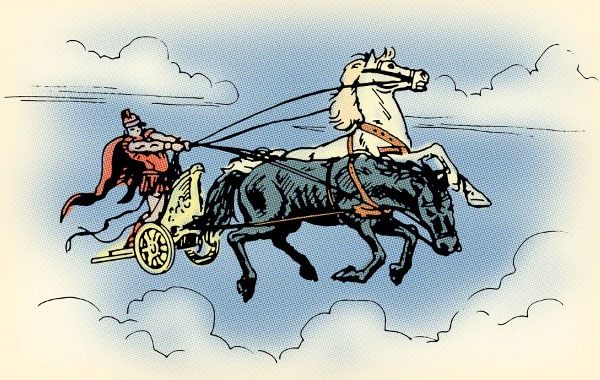
    6561-roman-charioteer-wit

    The soul of man has his own chariot

    With a driver and two winged horses:

    The one eager for honorable praises;

    The other intent on becoming corrupt

    That only flogging and bawling can quell.

    With the driver’s free rein on the mares,

    The noble horse goes AWOL,

    The ignoble heads dominance,

    The chariot loses control,

    All fall from the fantastic race

    To the parched land of ignorance,

    Then begins the rebirth of the race

    Again, and again forever and ever.

    Author’s Note: I remember reading about Plato’s Chariot Allegory that illustrates our journey to the end of enlightenment with its vividly dynamic images of the aerial chariot race too compelling to reserve for a silent appreciation in my mind’s reservoir. I wonder what my chariot race has been like thus far…