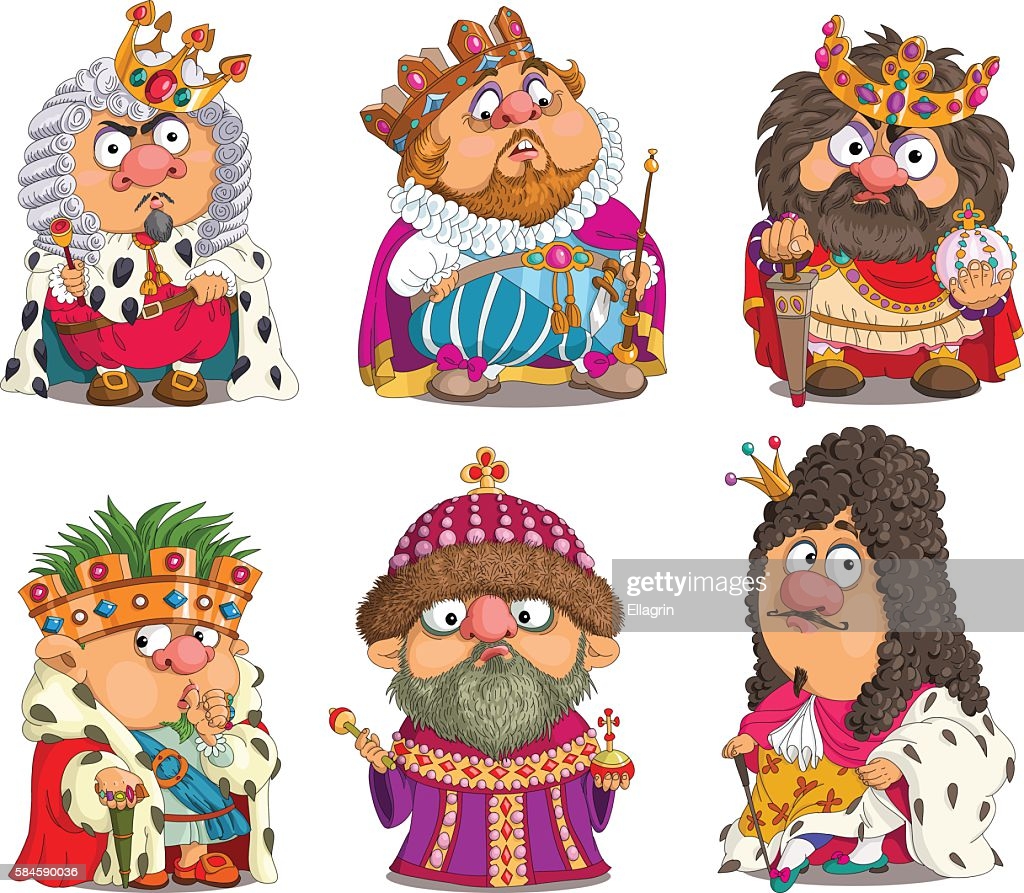
Royalty’s Strangest Characters: Extraordinary But True Tales of 2000 years of mad monarchs and raving rulers by Geoff Tibballs
My rating: 4 of 5 stars
It always amazes me that some people can get away with their character flaws and faults under the aegis of social status and wealth, such as modern-day celebrities. The celebrities of the bygone days were kings and queens whose God-given authorities indemnified them from punishment. Their entitled strangeness swiveled my head in wonderment at the stupendousness of freakiness. Ironically, this anecdotal recounting of the cruel-to-be kind potentates reminds me of a tenet of Logotherapy, which explains that a healthy dose of suspense in life helps us escape boredom, resulting in excessive indulgence in perverted pleasure-seeking.
This book tells of the infamous kings and queens and some aristocrats. They are famous and lesser-known, mainly from Russia and Eastern Europe, which gives a somber ambiance to the tales of weirds born with silver spoons in their mouths. The most memorably horrible and ignoble characters that left indelible marks on my consciousness are as follows:
1. Elizabeth Bethany: This diabolically perverted Hungarian countess whose uncle was a king of Poland had a fixation on blood and pain in devotion to youth and beauty. Some say she was trained to be cruel, but I think it has to do with her connatural inclination for cruelty passed down in her lineage. Her aunt was a Satan-worshipping noblewoman who sought erotic pleasure in young girls, which Elizabeth also learned and practiced in her castle. She had her trusty three maids lured beautiful young girls, usually from poor families, under the pretext of training them for top-rated maids-in-waiting with generous munificence to the families. What happened next was all over but the shouting. Bethany tortured the girls in unthinkably cruel ways and bathed in their blood because she believed doing it would restore youth and beauty. She deserves no revisionist or appeals on the crime against the girls under her care. Nevertheless, modern-day feminists and the radical leftists are moved to portray her as a wrongfully accused Calvinist woman in a time when sectarian religious rivalry and antipathy were rampant. Her being charged by a Lutheran minister in the town does not ipso facto constitute Lutheran machination of destroying the Calvinist influence in the region. If the minister conspired to concoct any such plot, he would have targeted a man, not a woman whose social status was not entirely regarded as equally significant as a man even in high birth.
2. Vlad the Lad, aka the Impaler, aka Dracula: The proverbial bloodsucker ruler had a penchant for impaling men, women, and children for leisure and punishment. The point was to give them slow deaths to heighten the apex of pain till the last breath. The legend of Count Dracula is loosely based on this Romanian ruler who might have inspired an idea of shashlik, kebab. Or any skewed food. Thanks to the detailed accounts of how Vlad artistically mastered impaling, I swore off any such skewered food lest it should conjure up the vista of the impaled helpless.
3. Frederick I of Prussia: A stout and short, the king’s obsession with men in great height was his actualization of ideation. He had the tallest men in all the regions of Europe, especially from the North, to establish the royal military version of a freak company called “The Potsdam Giants.” The recruits, or in many cases, abductees, were consisted of a former woodsman, laborers, and farmers, allured by abundant compensations promising dazzling delights of secured lives. Yet it was an empty promise, beguiling the simple-minded low-class foreigners, who were subjected to mistreatments and even punishments should they attempt to escape. The king’s pastime was to call upon the guards at any time anywhere, including in his chamber at night, and watch them in full uniform, admiring their impossibly imposing physique that he coveted but could never have. Thank God that his son Frederick the Great disbanded the freakish guards no sooner than had he succeeded his father upon his death.
I wonder if these royal characters were due to in-breeding abnormalities, which were usually customary in European dynasties to preserve their noble royal lineage. It also testifies that keeping means in one’s life is a blessing because extreme wealth and poverty lead a soul astray due to listlessness and exasperation, resulting in amoral walking dead subsisting on the pain of the others. Robinson Crusoe’s sagacious father was right in saying that the best is the upper station of low life. Mel Brooks once uttered, “It’s good to be a king.” Unfortunately, it only applies to these afore-described weird and evil characters. A good king or queen doesn’t.
View all my reviews


You must be logged in to post a comment.