Tag: Writing

  • Hounds of Night

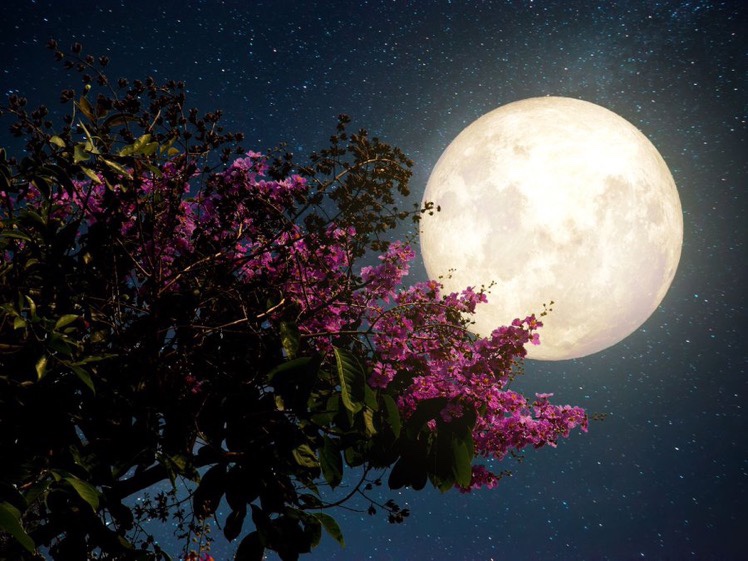
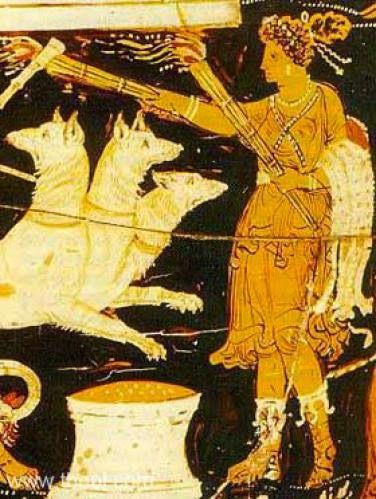
    The curtain of the night has drawn. Selene has started her nocturnal promenade with a moon mirror carried on her celestial chariot across the starry highway. Then the earth begins to bellow with great silent roars, trees to dance with leaves rustling in the wind as the chariot is racing, owls to call with their wings flapping, and the hounds howl from the end of the horizon in the glimmering light of the distant stars like lamps flickering in the desolate wilderness amid the haunting sound of Pan’s flute yonder. It’s Hecate’s Time, the Wandering Goddess of Night, appearing from the crossroads with her faithful hounds, heralding the staging of their divine mistress.

    Hecate has often been associated with all things witchery, magic, and death, not in the least due to modern-day Wicca practice identified heavily with the Greek goddess, but there’s more to her. She is a protector of the wrongfully accused, a goddess of retribution against injustice and impurity, and an advocate for underdogs. Perhaps, that’s why her animal is a dog, not a cat, which betrays a common association of the latter with someone like her. (In fact, Artemis is the only goddess whose animals are a cat because she was once transformed into it when chased by a besotted man.) Her hounds all have names: Kynegetis (Leader of Dogs from the Orphic Hymn), Kyneolygmate (Howling like a dog), Kynokephalos (Dog-headed), Kyon Melaina (Black Dog), Philoskylax (Lover of Dogs), Skylakitin (Lady of the Dogs). Of all the hounds, Kyon Melnia, aka Black Dog, used to be the wife of the last Trojan King Priam named Hekabe, who threw herself into the sea after the collapse of Troy by the Greeks. Hecate took pity on the queen and transformed her into a great black dog that became her familiar. What a manifestation of divine mercy it was.


    It is said that dogs and cats see the spirits of the dead, especially at night. If you have heard a dog howling, another howl, then another, and so forth, as if all of them sing in a canine polyphonic coda. When Hecate’s hounds howl, mortal dogs respond to their divine canine entity as the goddess and her entourage pass by. The hounds also bring victuals offered to Hecate to their mistress at a cemetery where she partakes her daily victuals. So if you think it’s just an ancient myth, listen carefully when your dog or any dog within your earshot howls. It’s either it sees a spirit or Hecate and her nine hounds. For me, well, I have a tabby cat named Toro, and he sees it and them but won’t participate in the chorus because he has her mistress at home.
  • Polaris

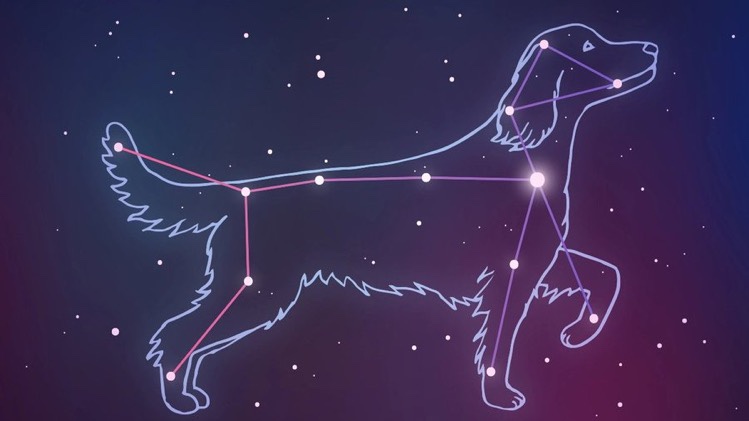
    Sirius is the South Star
    The prettiest rainbow star
    Glowing with the sun’s halo
    The brightest, biggest Dog Star
    Chasing the chariot of Apollo
    From the sunrise to the sunset
    Bringing the dog days of summer.

  • Grift

    When a thirsty wayfarer
    sees an oasis in the desert,
    And a weary sailor beholds
    the kingdom of shore distant,
    the joyful tears of the beholders
    remove the stains from the chamber
    of the hearts furious of grift desire
    And return them to the tender hearts.

  • ‘Life below Stairs’ by Alison Maloney

    The idea of domestic servants and their relationship with the masters is superficially romanticized not in the least due to period dramas, such as ‘Downton Abbey’ or Victorian masterpiece theater. In such fictionalized stories, the social dynamics between the classes are often bowdlerized or beautified, in addition to the romanticization of the working class as though to neutralize class antagonism in fear of marring a lofty literary theme. That said, ‘Life Below Stairs’ by Alison Maloney is a documentary of the real people who had to find themselves in servitude of their betters and their live-to-tell accounts of what it was like to be servants.

    While reading the book, I could not help but think that the professional domestic service in the capacity of maids, footmen, and butlers was not so much different from today’s social dynamics of at-will employees who provide their labor to employers for livelihood. Of course, the labor conditions and workers’ rights have been considerably improved, thanks to continuing reformation of workers’ compensations. However, the essence of the exchange of labor for necessities of life and the nature of employment is often precarious and insecure on the whims and caprice of businessmen and women. For example, recent union movements of Starbucks employees have prompted the company to close down under the pretext of low sales or redundancy. It betokens that the company will not tolerate such defiant action by the employees who provide their service in pure physical labor and mental exertions in catering to the needs of customers daily. Servants in the Victorian and Edwardian eras were employed chiefly by the middle-class bourgeoise who regarded keeping servants as a status symbol in the emulation of their upper aristocratic betters. In the States, servitude equated the slavery in the South, which was also maintained by merchant and business classes. Although I am not a proponent of aristocracy, aristocrats knew better how to treat their underlings because the need for servants arose from the necessities of keeping their estates and domesticity, not from a flash of ostentatious wealth that their jealous middle class was envious of.

    I envision myself as a housemaid in one of the early Edwardian eras (1900-1930), working from 6:00 am till 11:00 pm for a mistress whose temper is mercurial like Hera. That would be miserable with no weekend offs and mandatory church going with her. Then I feel okay to live in this moment of history even if my mistress boss is a modern-day bourgeoisie woman who wants her underlings to do thngs in her way because thanks to labor law, I only work from nine to five with saturdays an sundays to myself. Thank God for that.

  • Moonlight Sonata

    For all those years gone by
    I can’t just look back and
    say, “They’re gone away,”
    For all that time, I lived
    Liked, hoped, cried, laughed
    With five faces of a fool;
    Still dreams I dreamt before
    Are beckoning me smiling
    Under a diaphanous veil
    Of luminescent moonlight.

  • Twilight

    The hoofs are galloping
    The wheels are racing
    The Sun Chariot is nearing
    To the end of the horizon;
    The day’s memory follows
    In a sweet soft twilight
    With pale hues of sunshine
    Reflecting on the windows
    Of the beholder, bidding
    Time return from yesterdays.