Author’s Note: I read today’s Reuters article about an old African-American barber in the northwestern suburb of Detroit who said that Impeachment is not really a ready remedy to ease everyday man’s daily struggle with life. What concerns him more than this national headline is how he survives with a paltry daily income in harsh reality. I think it pretty much sums up a general opinion on the political pandemonium. Such stoically cool outlook on the political scene has been constant of ages, regardless of race and culture. Surely, Aristotle said that if you are not interested in politics, you must be either a beast or a divine being. But did he in fact include the ordinary folk? It has always been the common people whom the powers-that-be use as their henchmen for political hegemony. The current impeachment news only tangibly matters to the politicians and their ilk. Apart from the universal news about the epidemic Coronavirus, the article lingers in my mind with the vista of the hardworking old barber doing his daily duties to make his living in his small barber shop.
Author’s Note: They say beauty is only skin-deep, but I don’t believe it. Power is to a man is what beauty is to a woman. So much so that Oscar Wilde said, “The only way to behave to a woman is to make love to her if she is pretty, and to someone else, if she is plain.” William Shakespeare then quipped in: “She is beautiful; and therefore to be wooed.” Beauty purchases indemnity for wrongdoings. You see Beauty Does Matter. If you disagree with a grinding teeth or a grimacing face, think about a root of racism. It’s all based on how one looks. Capeesh?
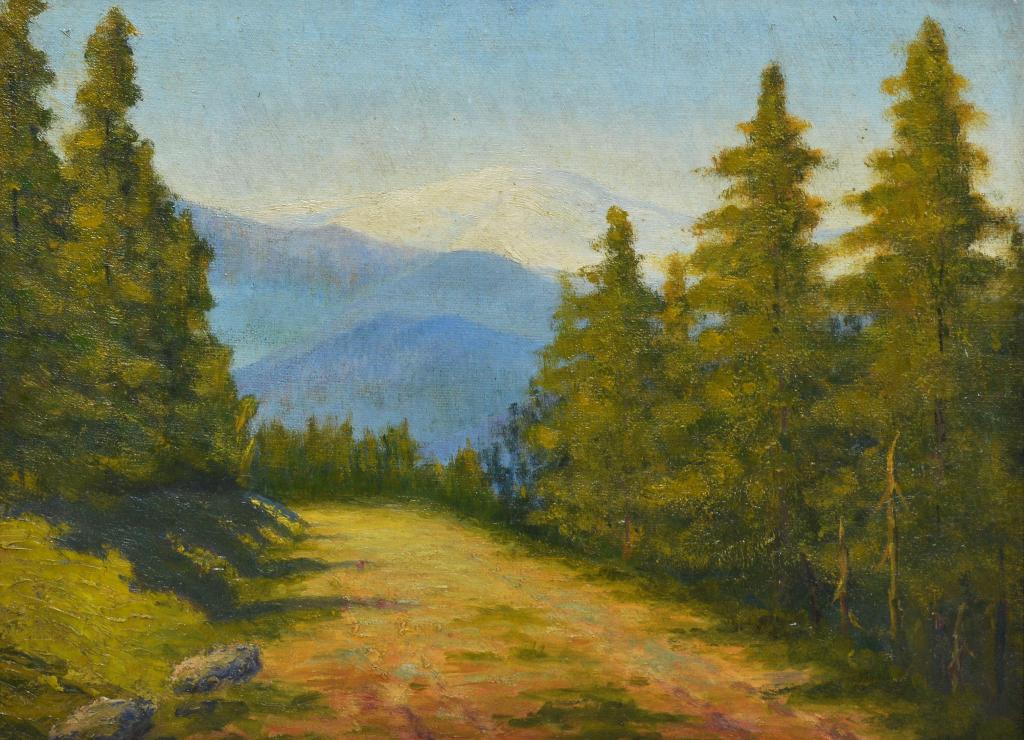
The wind was blowing eastward in the field, and the sun was stopping in the sky amid the moving herd of clouds. The susurrus of the trees was softly caressing her ears harassed by the cacophony of reality in which she could not help but endure under the pretext of fulfilling her existential duties to earn her sustenance. Nature’s medicinal touch of her malady of heart seemed to work for the moment, and she felt cared for and loved in the arms of Mother Nature whom she likened to Mother Mary. Judy was sitting like a resting Artemis, the goddess of hunting, with her loyal canine company Nena on the crest alongside San Marcello Path in the Santa Maria Mountains. Judy and Nena were different species united in the polyphony of nature’s orchestral music and the panoply of the scenes that nature’s cinema was presenting before their very big brown beautiful eyes that seemed to look into the depths of souls and to find wonders in them no matter how diminutive they might be. It’s the moment of retreat from the world that constantly threatened Judy’s faith in humanity against the strife of existential life. Every Sunday was the time to bathe herself in the Spring of Nature, and she loved every minute of it.
A noonday haze was springing over the hill with iridescent beams of sunshine, which were a feast to the eye. Nena was yawning as a gossamer of the eastward wind becoming a sweet breeze was pleasingly teasing a tip of its nose. Smiling at the playful scene, Judy was thinking about the legend of restless ghosts of nineteenth-century outlaws still roaming in the deep region of the mountain, not knowing they were dead in search of a great escape from a forest maze to their El Dorado. Reader, you may think it’s only a fiction imbued with Hollywood-generated machismo of lawless gunslingers in the Wild West, but to Judy, the legend became factoid that couldn’t be abruptly dismissed as a preposterous ballyhoo fit for a campfire story to scare kids and gullible puerile adults. Call it superstitious or benighted, but then do people not believe in the power of the greatest man above even though they have not seen him? The difference between religion and belief is a matter of hierarchy, a structural form of rite and indoctrination. Anything else is quintessentially the same as we human beings are spiritual by nature. Thus, even the wickedest, the vilest, the cruelest convict has the tainted and perverted soul warped in a wrong modus vivendi that it chose by the will or by the play of Goddess Fortuna. In that regard, the souls of the escaped convicts, drifting gunslingers, highwaymen, or luckless lost travelers might still be roaming the paths of the mountain day and night, doing their penance on earth without awareness of it, till a sympathetic living soul hears their sorrows and waves of anger to purge them out to escape to the beyond.
As Judy was wending her way to the mountain, the images of the wild west ghosts sprang in her vista as though to be screened in a phantasmagorical display of the swashbuckling bravado of their once-proud prime days. What’s more, she wanted to validate her belief in life after death by witnessing the souls of the dead, which would quell her vexing doubts on the existence of God and ultimately, the meaning of life. Nena also seemed to give a nod to Judy’s determination to figure it all out by walking beside her into the mountain. The leaves of the trees were rustling in the wind, and the eagles were flying high above as if they were welcoming the curious duo. The rustling sound now became phantasmal susurrus of trees, reciting “Curiouser, curiouser!”
Author’s Note: This is based on my viewing of “The Good, the Bad and the Ugly” directed by the great Sergio Leone. The film often referred to as the masterpiece of Spaghetti Western, is in fact far superior to any other western movies made by Americans in terms of storyline, plots, settings, and cinematography.
For example, in this film, all of the characters are morally ambiguous and ethically challenging, which makes them realistic and relatable. Besides, compared to the perfected appearance of typical “American” characters, the Good, the Bad and the Ugly are all scruffy-looking and unhygienic even, and yet they all look quite stylish in their naturally rugged ambiance and masculine outlooks, especially well manifested by the iconic piercing gaze of Clint Eastwood as the Good and the amazingly chiseled face of Lee Van Clef as the Bad. What’s more, even though director Leone had never been to the States before making the film, he was excellent in portraying the Wild American West during the Civil War by filming it entirely in Spain.
The music by Ennio Morricone also plays an integral part in this film, creating timbres for each of the characters, so that whenever the character appears on the screen, the unique thematic music is played, indicating the moods of the characters without having them narrated in words. Hence I wanted to write about the impression of this unforgettable film that’s engraved in my Hall of Fames.



You must be logged in to post a comment.