
Boldness can take you to unpathed trails and to undreamed lands, transferring all your yesterdays into all your tomorrows in one fell swoop. For we are such stuff made on dreams, hopes, and wishes however far-fetched they may seem. You live only once, so why not roll with it as you wish? And this touch of adventurism can make your soul emboldened to do things that you wanted to but couldn’t because the grit buried under the flotsam and jetsam of your aborted dreams and discouraged expectations begins to bloom in your secret garden of the mind.
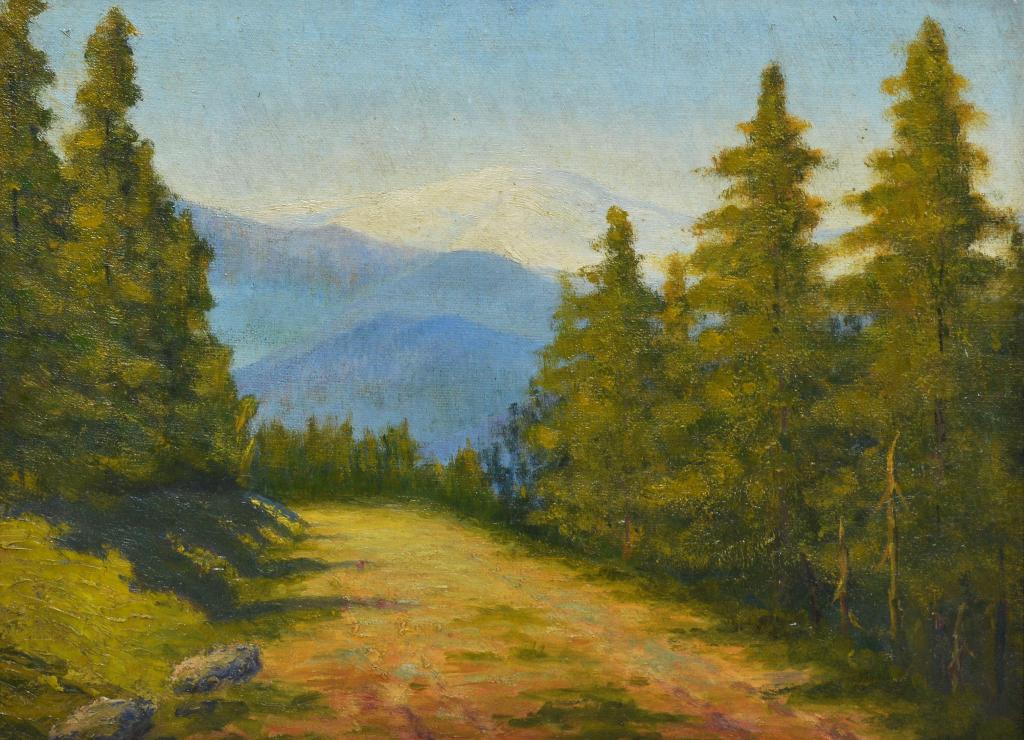
With the mysterious aura of haze vanished beyond the endless horizon, Judy suddenly felt a sense of destiny filled with adventures in the wild that set its unsullied beauty and quiet sovereignty apart from the crowded theaters of Reality where spectators and players hoot and holler for the most beautiful, powerful, and successful only she could not feel allied. And within this sanctuary of nature, this wondrous sense of go-aheaditiveness felt real but unbelievable. Rufus, Ben, Raphael, and Judy were all together in this joint adventure that was forming a kind of mental alliance among them, which was also felt but unseen. Forget Reason! For their faculty was more physical than metaphysical, less reasoning than instinctive in response to any such fantastical experience that delivers a burst of sensation to their beings spreading like a prairie fire sweeping every part of their bodies.
“Gee, I wonder what it was. I know there’s something in the air because my gut feeling never failed me,” said Raphael, the Talker. “Yeah, I felt it too. Otherwise, the dog wouldn’t have barked at the thing in the air so persistently. You know, dogs and cats have special eyes to see ghosts and things we can’t. But whatever that was, it’s gone. Let’s get on with it and leave.” With this sententious statement, Ben started climbing up the saddle that was placed a bit too high for his stocky figure on his Californian mustang. His artistic inclination made him a believer of supernatural beings, but his work experience as an itinerary musician made him a practical dreamer with a view to match in the real world. But of course, his ability to cope with existential strains of daily life paled by comparison when it was juxtaposed with Raphael’s shrewdness pleasantly blended in his avuncular charm. While Ben was struggling to make it to the top of the saddle, Rufus was being pensive about the present and the future with a dream to make it big with the Aztec gold so that he could set up his younger brother Joe with a general store in their hometown. He was secretly in agreement with Ben that they should just forget about the free magic show to continue their journey for the buried treasure. My dear reader, you should not regard Rufus as a materialistic, footless young man hell-bent on being rich because once you get to know him more, you will want to be his best friend. Must I go further to affirm his character reference?
Judy was looking and listening to this funny trio like Artemis, the goddess of hunting and the Moon, watching the comedy of the mortal from the top of Mount Olympus and thought they were indeed a curious band of wayfarers in quaintly old-fashioned attire and even more antebellum deportment and parlance, which piqued her historical curiosity feeding on her love of good old Westerns and stories of pioneers and gunslingers. To her big beautiful brown eyes, Rufus, Ben, and Raphael looked just like the characters from one of those Westerns starring Clint Eastwood, James Garner, Steve McQueen, and Lee Van Cleef. No, not John Wayne, Paul Newman, or Henry Fonda because they possessed no natural screen charisma surrounding their physical appearances as well as the mental force that could only be generated by real-life experiences and natural endowments. Judy was hooked on these characters still discussing and arguing about what to do next in front of her without regard to the pretty lass. If these men were a bunch of perverted thugs, she could have and should have known it at the first sight of them because she prided herself on her Sixth Sense inherited from her mother who was also spiritually gifted. All seemed intriguing and fascinating, thought Judy, who was on one-weeks’ vacation from her job as a secretary at a busy law firm. So, she approached the trio now all on horseback to offer herself as their scout. This gotta be fun. Judy secretly entertained the thought of being a frontier scout and thought her course had already been set for the Wild West.
 So there he was. You could always find him there at the same time, at the same place regardless of a change of four seasons, like it was his duty to do. Looking over the fence smartly seated on a rock on one balmy afternoon, Toto was calm and steady. His big brown eyes full of yearnings and visions glanced at the dancing leaves on the quince tree outside the fence where there were only a few fruits left because Grandma, being of generous and affable nature, had given the well ripe ones to the neighbors. However, such intermittently displayed quinces surrounded by the abundant leaves appealed to Toto’s inquisitive eyes: the way the leaves swayed to the tune of the breeze was a part of the nature’s orchestra that stimulated all of his senses, which ultimately led him to the outburst of his exhilaration in long howling like a wolf pup in the wild.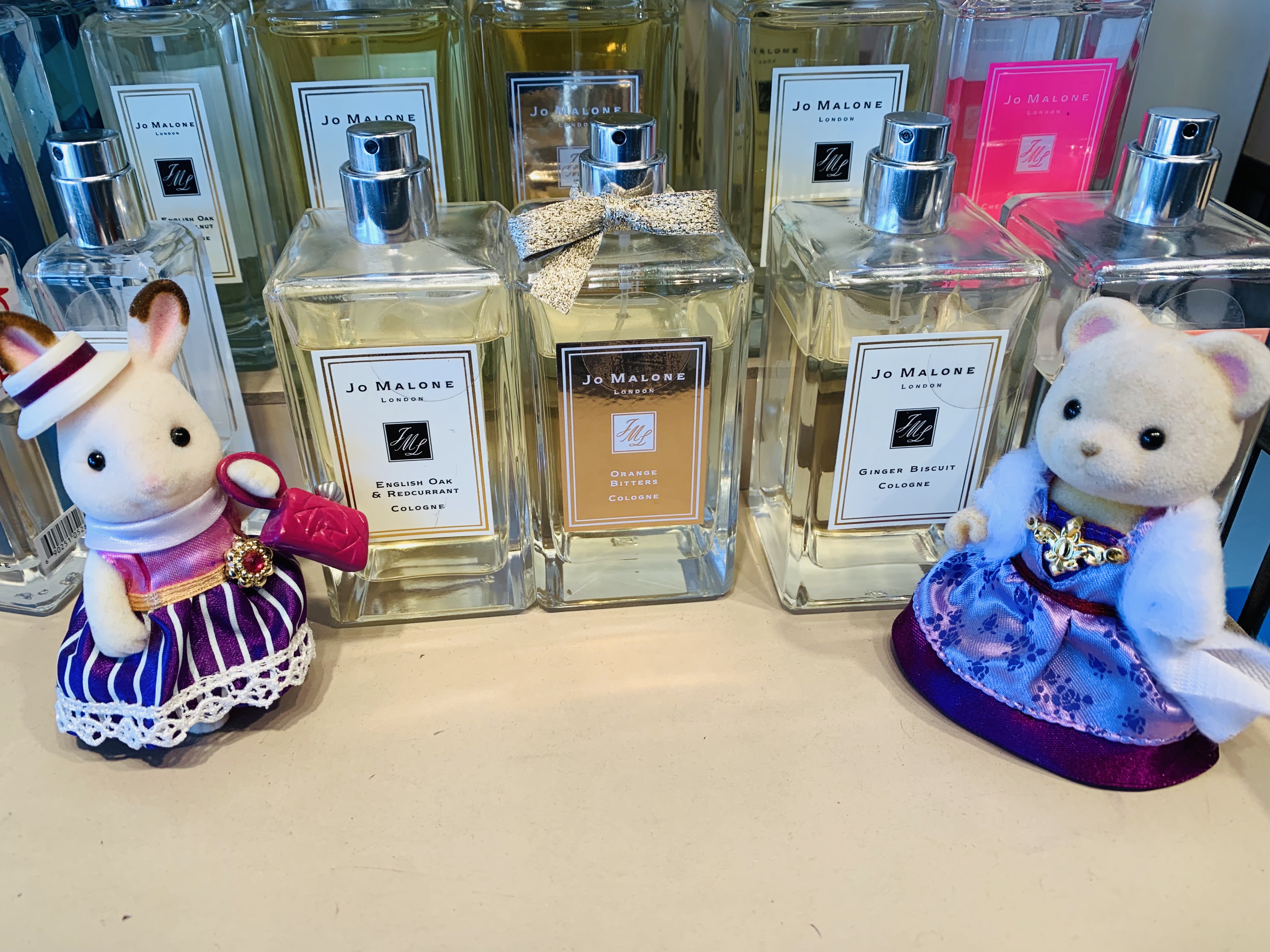
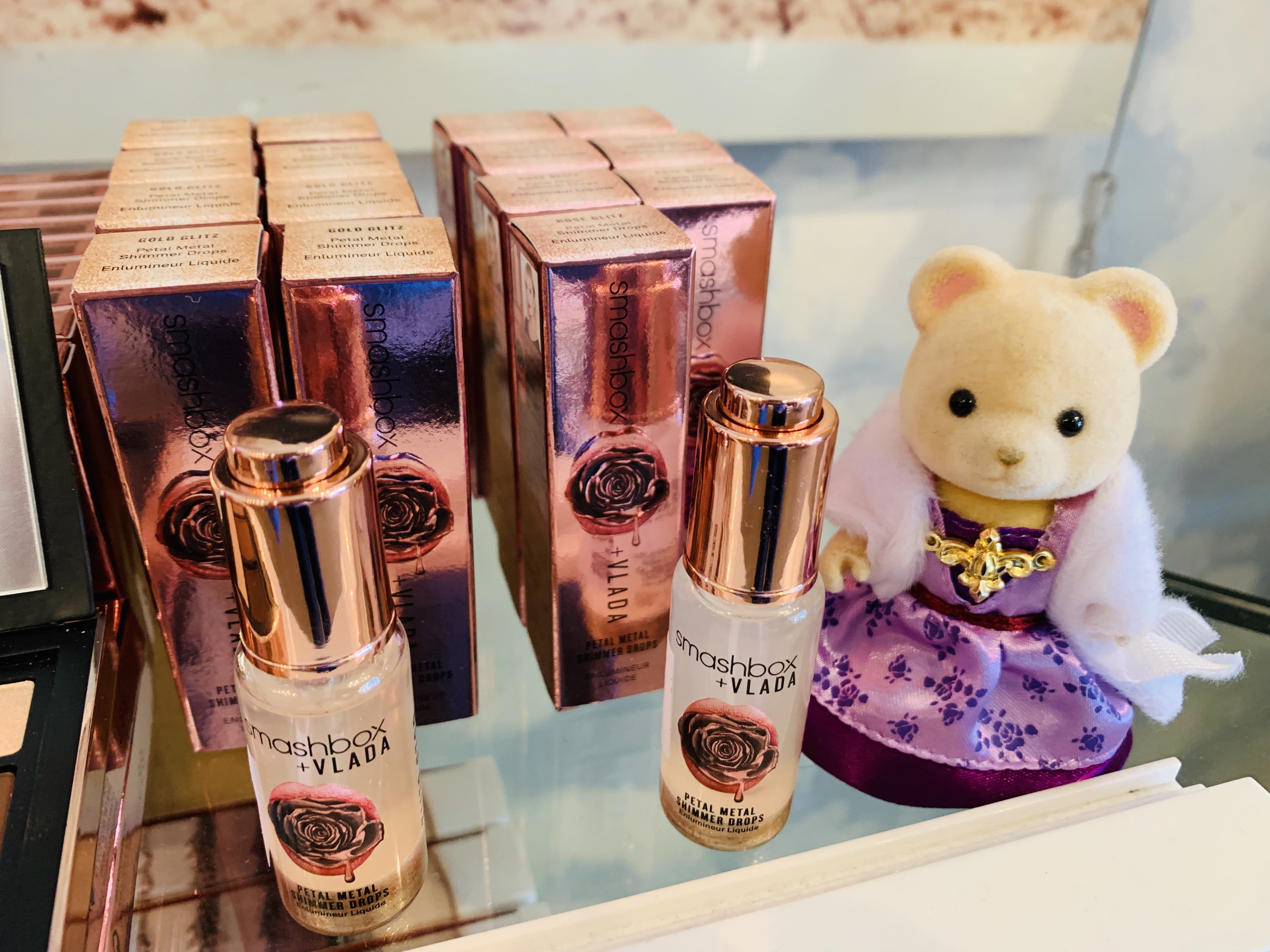
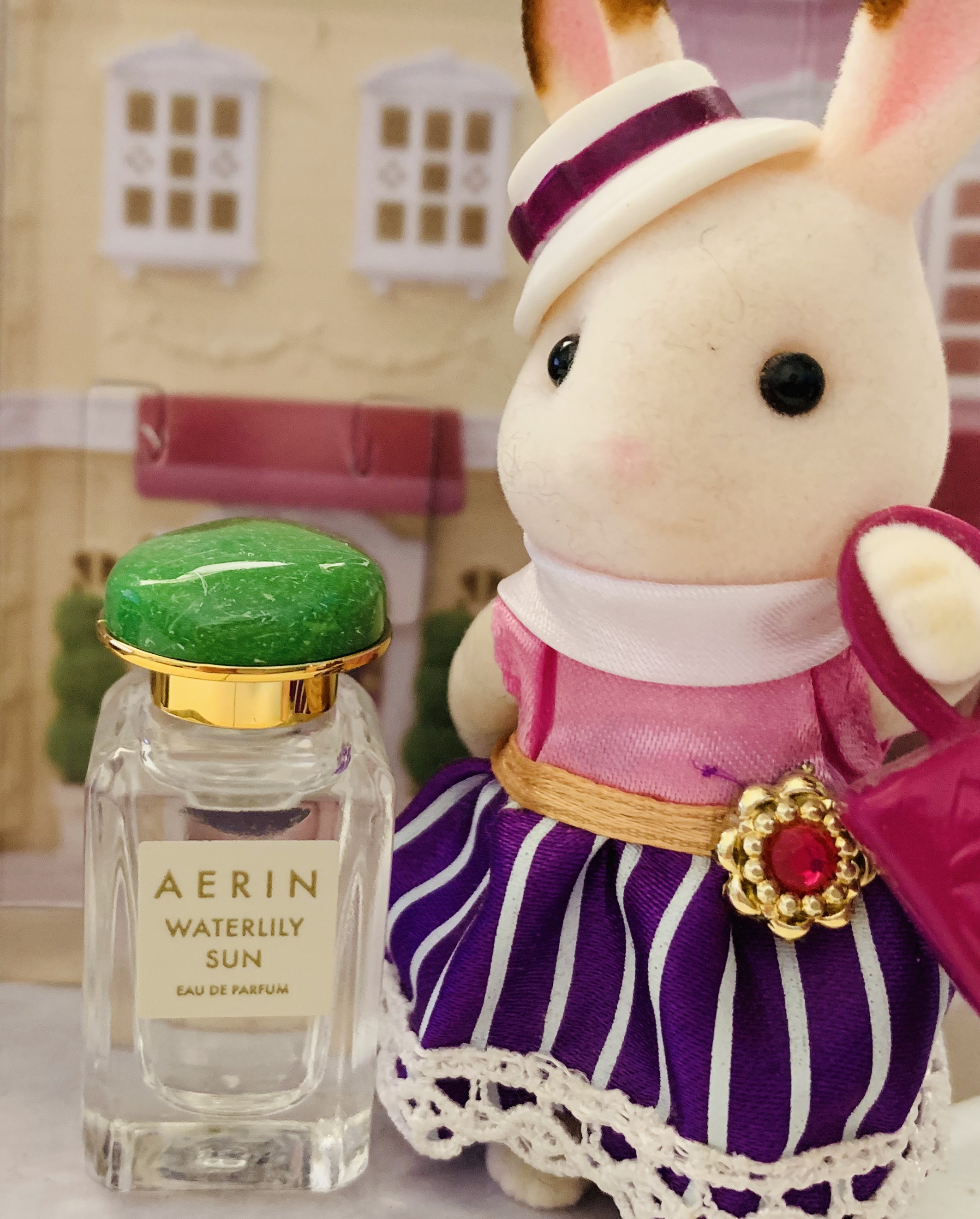 So, you see it isn’t a symptom of conspicuous consumption as a result of our hyper industrialized social environment that Matilda and Seraphina like pampering themselves with cosmetics. Besides, who can blame them for having none other than a woman’s reason? Didn’t Queen Elizabeth also proclaim herself to have a lion’s heart in a woman’s hide? Also, did the Queen not show fierce attention to fairness herself by putting the most fashionable make-up and dresses and hairstyles of her time? Well, these modern ladies are no less different them from their loyal member of sisterhood in the race of Humankind. In fact, Matilda and Seraphina have aristocratic bearings in appearance and manners due to their fine upbringing and sweetness of the mind by nature, so whenever they go, they give admirable impressions on people whom they encounter. They are the paragon of a virtuous woman as John Milton extolled in Paradise Lost: “Those graceful act, those thousand decencies that flow from all her actions and words.”

 She sat beside the trodden ways

You must be logged in to post a comment.