Author’s Note: They say beauty is only skin-deep, but I don’t believe it. Power is to a man is what beauty is to a woman. So much so that Oscar Wilde said, “The only way to behave to a woman is to make love to her if she is pretty, and to someone else, if she is plain.” William Shakespeare then quipped in: “She is beautiful; and therefore to be wooed.” Beauty purchases indemnity for wrongdoings. You see Beauty Does Matter. If you disagree with a grinding teeth or a grimacing face, think about a root of racism. It’s all based on how one looks. Capeesh?
Author’s Note: This is based on my viewing of “The Good, the Bad and the Ugly” directed by the great Sergio Leone. The film often referred to as the masterpiece of Spaghetti Western, is in fact far superior to any other western movies made by Americans in terms of storyline, plots, settings, and cinematography.
For example, in this film, all of the characters are morally ambiguous and ethically challenging, which makes them realistic and relatable. Besides, compared to the perfected appearance of typical “American” characters, the Good, the Bad and the Ugly are all scruffy-looking and unhygienic even, and yet they all look quite stylish in their naturally rugged ambiance and masculine outlooks, especially well manifested by the iconic piercing gaze of Clint Eastwood as the Good and the amazingly chiseled face of Lee Van Clef as the Bad. What’s more, even though director Leone had never been to the States before making the film, he was excellent in portraying the Wild American West during the Civil War by filming it entirely in Spain.
The music by Ennio Morricone also plays an integral part in this film, creating timbres for each of the characters, so that whenever the character appears on the screen, the unique thematic music is played, indicating the moods of the characters without having them narrated in words. Hence I wanted to write about the impression of this unforgettable film that’s engraved in my Hall of Fames.
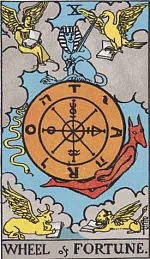
In a paroxysm of wild ecstasy at the Great Rotary,
Spinning it around and around like a delirious maenad,
Changing the positions of the compass willy-nilly,
Bringing tears and sorrows, beams and windfalls
To the names of the stars the compass indicates
till the stars above fall, the earth below collapses
and her game of fortune the god of gods terminates.
Author’s Note: This self-evident poem is about the Wheel of Fortune, a popular medieval folk belief that human lives are governed by the whims and caprice of Goddess Fortuna. She is said to spin the wheel at random, blindfolded, by which human fates are decided despite our efforts through constant trials and errors. It may sound bleak and fatalistic, but it also means that it’s not our faults to go through the ordeals of life, but that such is our fates, a force majaeur circumstance beyond our mortal controls, that we have to endure with stoic attitudes toward the vicissitudes of life. It is also a way of positive outlook on life because by attributing the ups and downs of life to the force of fates, we don’t jeopardize our self-worth and thus blame ourselves.
Author’s Note: This poem is a spiritual recipe for the existential malady which stifles the soul’s desire for freedom of expression for a social recognition denied on the ground of unfortunate biological and social planes. Kafka’s miserable salesman turned into a big monster bug, but the narrator of this poem becomes a beautiful, confident spirit rider, jettisoned from the dreadful realistic shackles and chooses to embark on new adventures with Kemosabe, meaning “a faithful friend” in Native American language, which is the Great White Spirit Horse.





You must be logged in to post a comment.