Tag: short story

  • Hakuna Matata! ‘The Lion King’ (2019) – film review

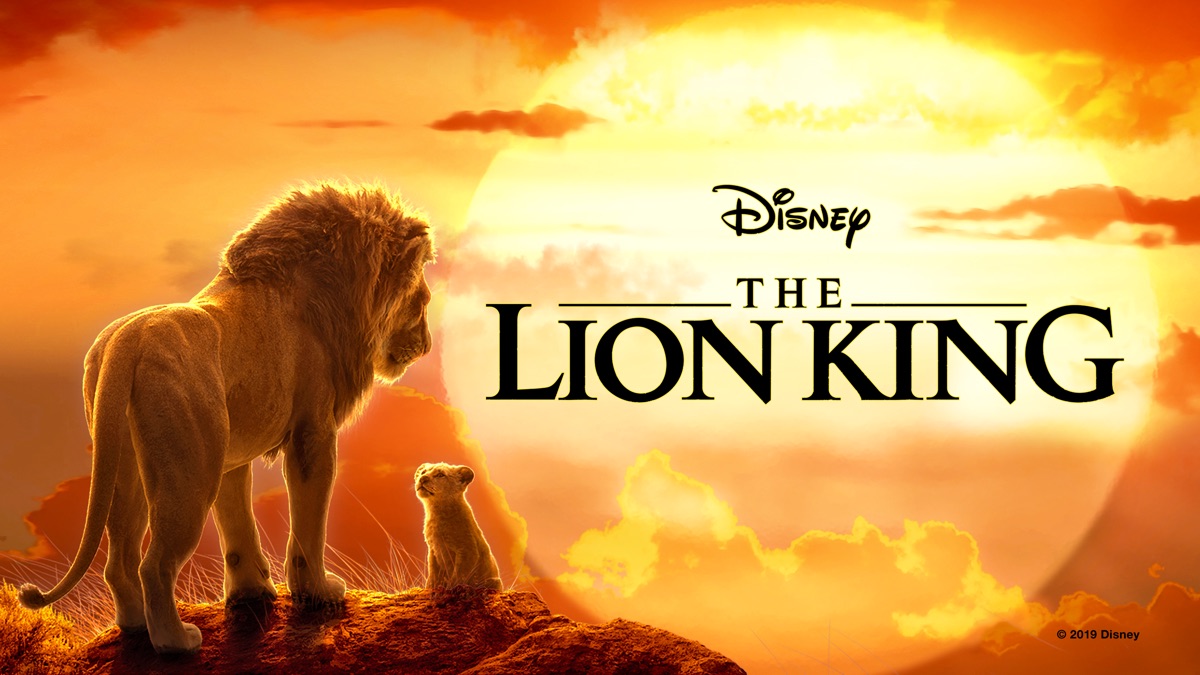
    Whether animated or dubbed, good movies are conversant with more delicate tissues of conscience and spirit than others replete with vehement manifestos. I am talking about ‘The Lion King’ (2019 film),’ that is. It is a wholesome movie with simple adages of friendship, love, patience, and courage—only the more vividly alive and visually superb with the Cute factor. The film is also what Plato says in the Republic, a work of art that best imitates the objects and events of human life, a good entertainment.
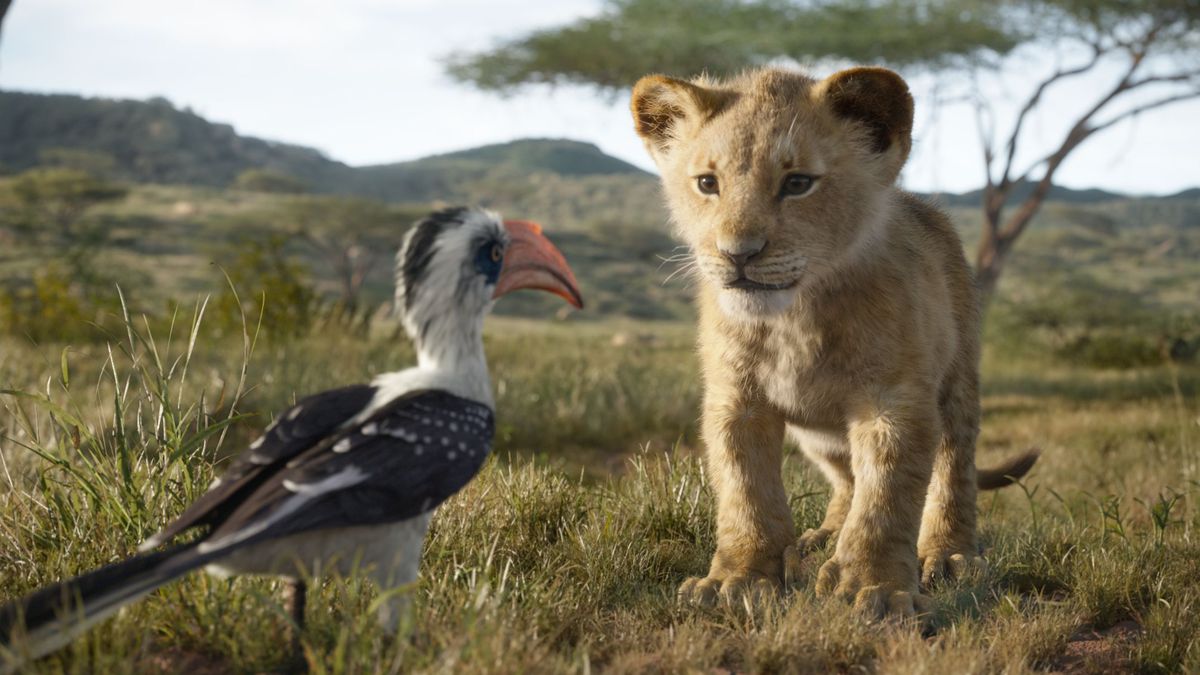
    The a priori reasoning is sometimes apt, and so was the movie. I admit that had it not been for the cute Simba’s face in the movie’s advertisement on my newly subscribed Disney Plus channel, I would have passed it. Besides, living with nature in the form of thirteen-month-old tabby cat Toro at home perfected the inclination to watch it. What captured my eyes most was the realistic animals and landscape that rendered undoubtful verisimilitude of natural wildlife in Africa. It’s a hybrid of the 21st science and timeless imagination that created the world’s awe-inspiring symmetrical view of natural beauty in cinematography. Contrary to unwelcome and acerbic opinions about the movie for its lack of fluid emotions and spectacular action scenes, I find it genuine and honest. It illustrates the natural habitats and habits of the animals in the wild as authentically as possible, which may seem less than what today’s audience inured to gratuitous special effects and outpourings of dramatic gestures. However, nature is simple, and Leonardo da Vinci saw it as the ultimate sophistication of beauty.

    If Aesop’s Fables are the ancient Greek’s way of teaching morals or virtues to people of all ages, this film follows the tradition of teaching the good in the audience’s hearts. There are four types of love subtly construed as thematic subjects in the movie: (1) Eros – passions between lovers; (2) Philia – friendship; (3) Storge – love between parents and children; and (4) Agape – humanity. Furthermore, the Homerian code of honors that Simba and his father Mufasa possess and the eponymous virtue of arete consists of moral integrity and physical finesse. The goodness described above incarnates in the pride of the lions and alludes to human characteristics laid bare in the majestically untamed landscape of the Pristine Wild.
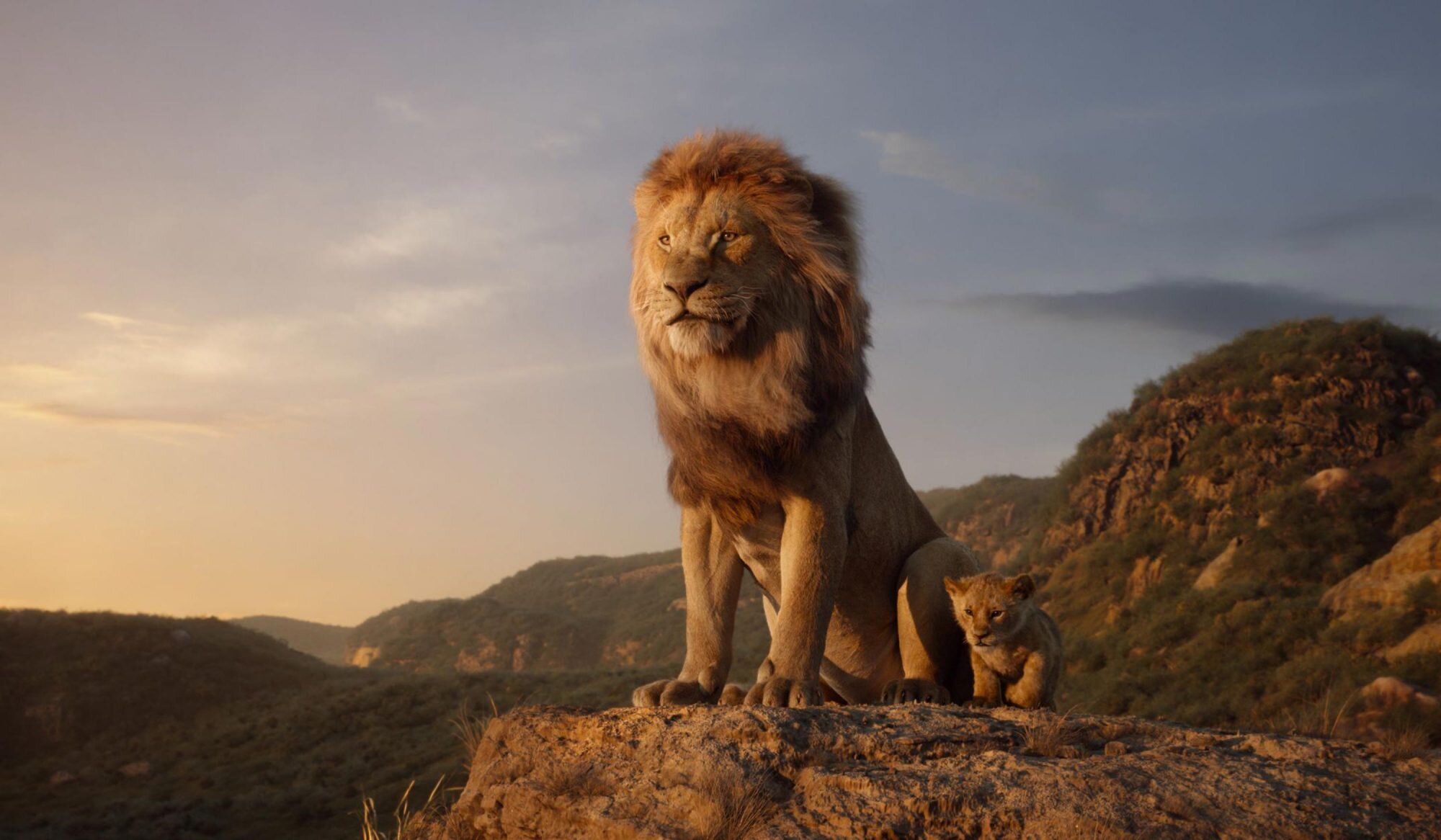
    ‘The Lion King’ (2019 film) is thought-provoking and entertaining. Plato, whose view on the best of art as the best imitation of the physical world, would approve of this film as a wholesome entertainment in the constellation of the great minds. But, notwithstanding his approval, the film is worth watching when you feel lonely and need some pick-me-up spirit with smiling cheer. After all, a good mood in the buoyancy of a cheerful soul with hope for an uncertain future is what makes our lives pleasant. Hakuna Matata!

  • the castle east of the sun west of the moon

    She sits under the shades of willow
    Where she came from, no one cares
    The castle East of the Sun West of the Moon.

    Then the leaves of the tree whisper to her ears
    “Ride on the wings of the Four Winds therefrom
    The Castle East of the Sun West of the Moon.”

    She speaks in the language of the wind, Aeolian
    And calls for the Four Winds to carry her home
    The Castle East of the Sun the West of the Moon.

    First East wind comes, she rides on his wings anon,
    West Wind, South Wind, and to North Wind reaching
    The Castle East of the Sun West of the Moon.

    Ere the Sun goes west and the Moon comes east
    Or she will never get to her beloved home
    The Castle East of the Sun West of the Moon.

  • Hercules the first superhero – book review

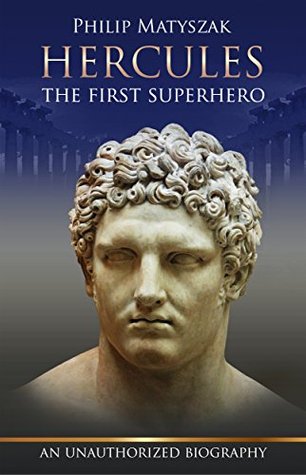
    Hercules – The first superhero: by Philip Matyszak

    My rating: 5 of 5 stars


    The ancient Greek superhero Hercules always has a status of a modern-day Mount Hollywood celebrity with Paparazzi-conscious showmanship. He also reminds me of an advantaged individual who could get away with wrongdoings. Hercules was an impulsive egoist and an irascible aristocrat for what was worth the ancient Greek superhero, a paragon of masculine heroism with a view to celebrity. This uncommon biography about the superhero whose name still rings red herrings after millennium flows of time evolves around the legendary performance of the Twelve Labors, anchoring them to the historical events of a man with a colossal ego.

    With a wealth of knowledge on ancient Greek history and extensive research on the subject, Matyszak puts in the capacity of Hercules’s counsel per se in the tribunal between humanity and divinity, who searches for truth based upon factual findings. Matyszak’s defense for his now divine client Hercules is erudite and comprehensive, with exhibits drawn from classical Greek and Roman historians and writers whose wits and reasons were anything but those of Hercules. In addition, the author’s trademark storytelling narrative makes the story of the ancient Greek killer all the more vivid and engaging that each chapter holds the attention of the reader in the phantasmagorical display of images as depicted in Grecian urns or vases.

    Notwithstanding the attractiveness of the narrative and the narrator, there are reasons I disapprove of Hercules as a hero, an antithesis of the other half-god, half-man Jesus of Nazareth in millenniums later. The Labors resulted from his egotistical attempt to free himself from the guilt of killing his family in moments of passion. However, he was neither remorseful nor appropriately punished for killing his music teacher Linus whose head his recalcitrant prince pupil Hercules shattered with a lyre he was trying to teach him how to play the way it should. As a prince of Thebes, Hercules had no qualms of consciousness for killing his elderly music teacher whose social status was beneath him, and gods condoned it because he was a son of Zeus.

    His peremptory sense of entitlement knows no boundary because of his arrogance and hubris. For example, during his Fourth labor of capturing Erymanthian Boar, Hercules killed almost the entire race of centaurs, driving them to near extinction. But Hercules himself was the cause of the killing spree because he intimidated Pholus, a wise, kindly centaur, to open a jar of undiluted wine, a gift from Dionysus to centaurs, who became intoxicated and attacked Hercules out of stupor. Yet, his killing of the drunken centaurs was not even a subject of guilt and was regarded as collateral damage because centaurs were known as lustful creatures. But didn’t Hercules also sleep around with women – and only the beautiful – wherever he went to, and sire children, one of whom became the founder of the Scythians?

    To summarize, the story of Hercules boils down to a conclusion that Hercules was a representative figure of a human whose essence is both divine and mortal, always on a chariot race with two horses of desire and reason. Some revisionists claim Hercules was an ancient Greek psychopath who took pleasure in killing people, beasts, and demi-gods. To me, a psychopath loses either the shackle of the ego or the supervisor of the superego, running a mind chariot alone even it drives to a pit full of fire. Methinks, Hercules was a cossetted brat without disciplines that controlled his power of reason, which is apart from mental acuteness or ingenuity. Adler’s will to power embodies the figure of BC man-God hero without regard for compassion and charity. Hercules was anything but Samuel Johnson’s conception of a biographic figure who empathizes for the common characteristics of life in the principle of universal judgment and sentiments. I now know why Christianity has won favors from poor and ordinary people and become the subject of persecutions from emperors and kings because Jesus of Nazareth, begotten by God and born of Virgin Mary, is gentle yet strong, kind but firm, which seems simple but divine.


    View all my reviews

  • ghost whispers

    The plain girl who thought she was kept away from all things pleasant and pretty because of a suspected hex cast on her was walking toward the setting sun sinking into the west end of the horizon, smearing the sky with scarlet halos. The sky was burning, burning with a day’s unfulfilled passion, aborted wishes, and ridiculed hopes until a moon and stars appeared from the west and calmed the fiery sky that was still ablaze with shattered dreams. The sky was her heart as though someone with magical power had been watching the poor, plain girl all along, or so she thought.

    Nothing miraculous would happen to her unless a kindly immortal being made her life merry and worthy of living because the plain girl was heading to her death. So first, through the forest paths out into a field of flowers, then upon the hill overlooking the wavering ocean, she loved so much for its wild, untamable nature that resembled her own.

    The moon was full and high now, and the world became alive with spirits and sprites rejoicing the serenity of the night and the silence of the day. The plain girl saw the souls of the dead at sea rise from the tidal waves and walk on the crest of waves toward the mysterious melodies coming from the west of the moon. They all looked enchanted, so she coveted the enchantment and followed the watery paths she believed would lead to meet the Fates and ask them to give her a new fate.

  • life by me

    The world is a battlefield, and you are at war

    On the frontline against the forces of despair;

    Life is a bivouac, wandering, searching always

    With the star above you following all ways;

    So keep hopes with a heart even for your fate.

  • The young heart at flame

    Who would have thought of it? The evening was alight with pillars of fire, and Washington was burning. The heart of the young republic streets was filled with a cacophony of screams, footsteps, and hollers as the king’s soldiers from the old country unfurled the British flag over the capital city. It was August 24th, 1814, thirty-eight years after the U.S. become a sovereign independent country from Great Britain.

    The British invasion of Washington resulted from a combination of a longing to bring back its former colony and vengeance upon the former colony’s brazen-faced act of independence. The U.S. invaded the British territory of Canada in 1812, attacking the city of York, modern-day Toronto as well as Port Dover, which saw American troops destroy a large number of food supplies. However, thanks to the Canadian militia and the Native American forces, the U.S. attempt to take over British-ruled Canada flopped and only fueled the British fury for the imperious behaviors of the young country. To destabilize American power from within, the British supported the Native Americans, who continued to resist the U.S.’s westward expansion and impressed American merchant seamen to become crew on British ships, alluring them with better pay and higher career prospects. Moreover, the British could devote their time to the American affair when the war against France ended triumphantly, exiling the French leader Napoleon to St. Alba in 1814. So, it was ripe time for the British to march into the streets of the American capital city during the presidency of James Madison.

    However, the British army was not altogether barbaric in ransacking civilian houses and burning historical and cultural artifacts like the Taliban. For example, the Taliban destroyed the ancient Buddhas of Bamiyan in Afghanistan in 2001 that were incredible historical artifacts showing a spectacular combination of Indus and Hellenistic civilizations. The British didn’t harm the U.S. Patent Office, whose then-superintendent Dr. William Ornton’s plea for preserving the artifacts of humanity chimed the bell of the universal mind. They also didn’t set ablaze on civilian houses or buildings, except for the Capitol Building and the U.S. Treasury building. However, they did capture many of the valuable pictures and works of art, including the paintings of George III and Queen Charlotte from the President’s House (modern-day White House), later transported to Bermuda. How duplicitous it was to find the portraitures of the royalty from which Americans bled to gain independence owned by the American President’s House!

    That might have become a great war between the two countries ended in the British retreat, thanks to the American blessing of untamed natural climate. An unexpected tornado pushed the British back to their ships and carried them back to their motherland, the Queen’s land. Come to think of it, America has been blessed with luck and timing, not to mention everlasting youth. Yet, this relatively unknown part of American history I have recently learned from a history magazine confirms that history is a series of vengeance on generations upon generations, as Herodotus observed. In that regard, the British burning of Washington reminds me of Julius Caesar’s burning of the library of Alexandria, the Greeks’ burning of Troy, and Nazi Germany’s burning of Paris. American is certainly no exception to the natural cycle of human history, invading and invaded, continuous in cycle and epicycle.