I remember watching the cat guru Jackson Galaxy’s post on YouTube about a prison where a group of inmates is assigned each cat for mental and a behavioral correctional program. The inmates seemed calm and content just as their foster feline friends reflected and talked of the amazing effects on their hearts hardened by the world never kind to them. The images of a condemned man in a cell and a homeless cat from a shelter became a beautiful impressionist painting with an air of serenity wrapped up in the soft sweet twilight colored by the warm hues of pleasantness that filled the canvass and stayed in the heart of the beholder – forever. The loneliness cut in halves transformed into togetherness, and there was nothing else but the mutual need for love and care.  With the picturesque imagery engraved in my heart’s shrine, I cannot help but question the generic prerequisites for being an ideal cat owner indoctrinated by those professing to know things about pets. The doctrines of a perfect cat owner are as follows: you have to live in a space wide enough for her to exercise her natural hunting instinct, to have another cat to prevent anxiety, aggression, and loneliness, and most of all, to be a near-perfect human full of love and understanding blessed with material means to satisfy the need of a cat to the extent possible. The protocols remind me of eugenics elements by which only the best males and females can produce offspring desirable for humankind. Only the superhuman race can fall in love, beget children, and raise them to be perfect in physical and mental attributes to continue the Superhumanity. On the same token, being an ideal cat owner is to be an ideal person who deserves love from nature because of his ideally perfect being—quite the Nietzschean idea of Superhumanity.
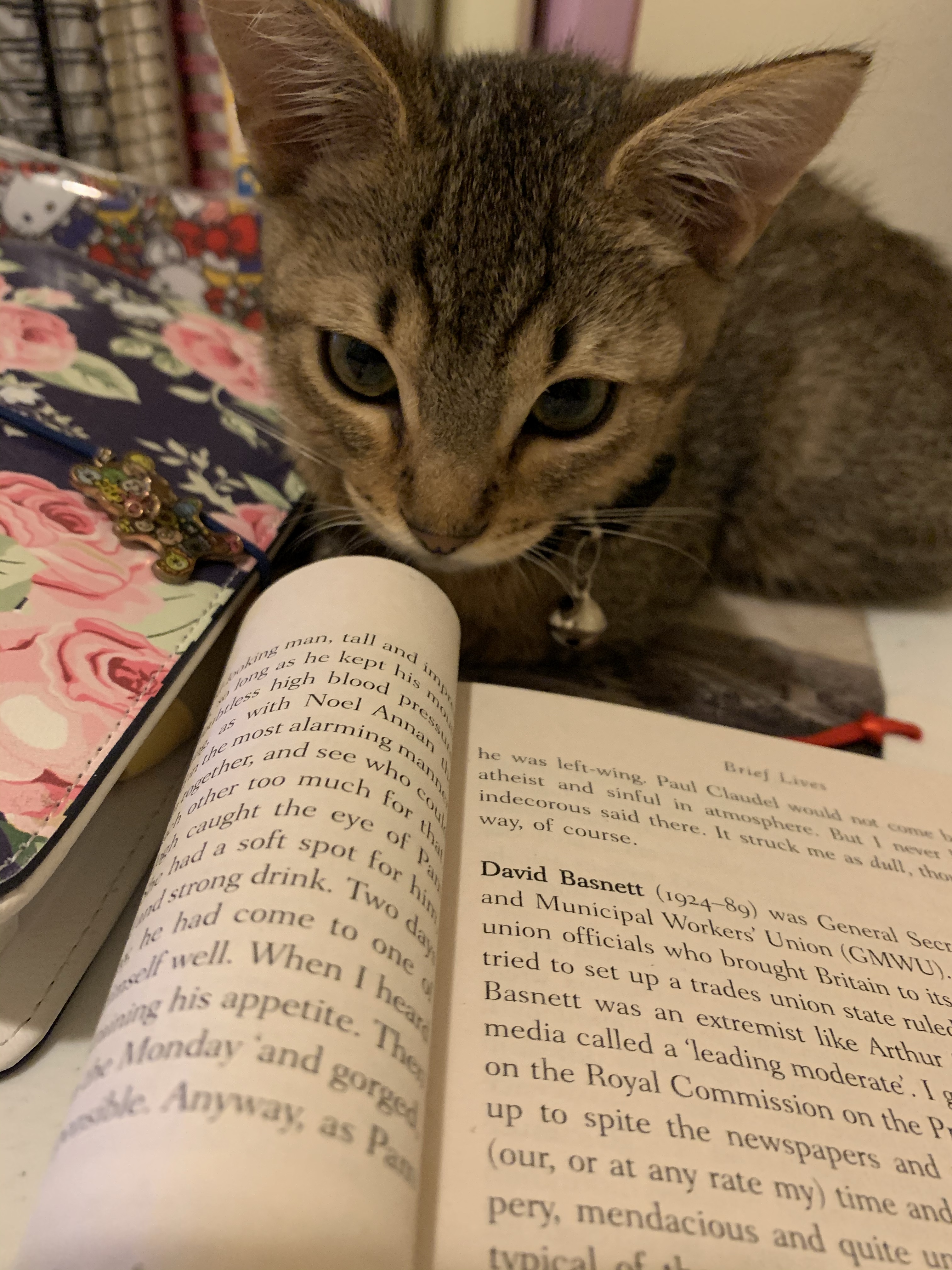
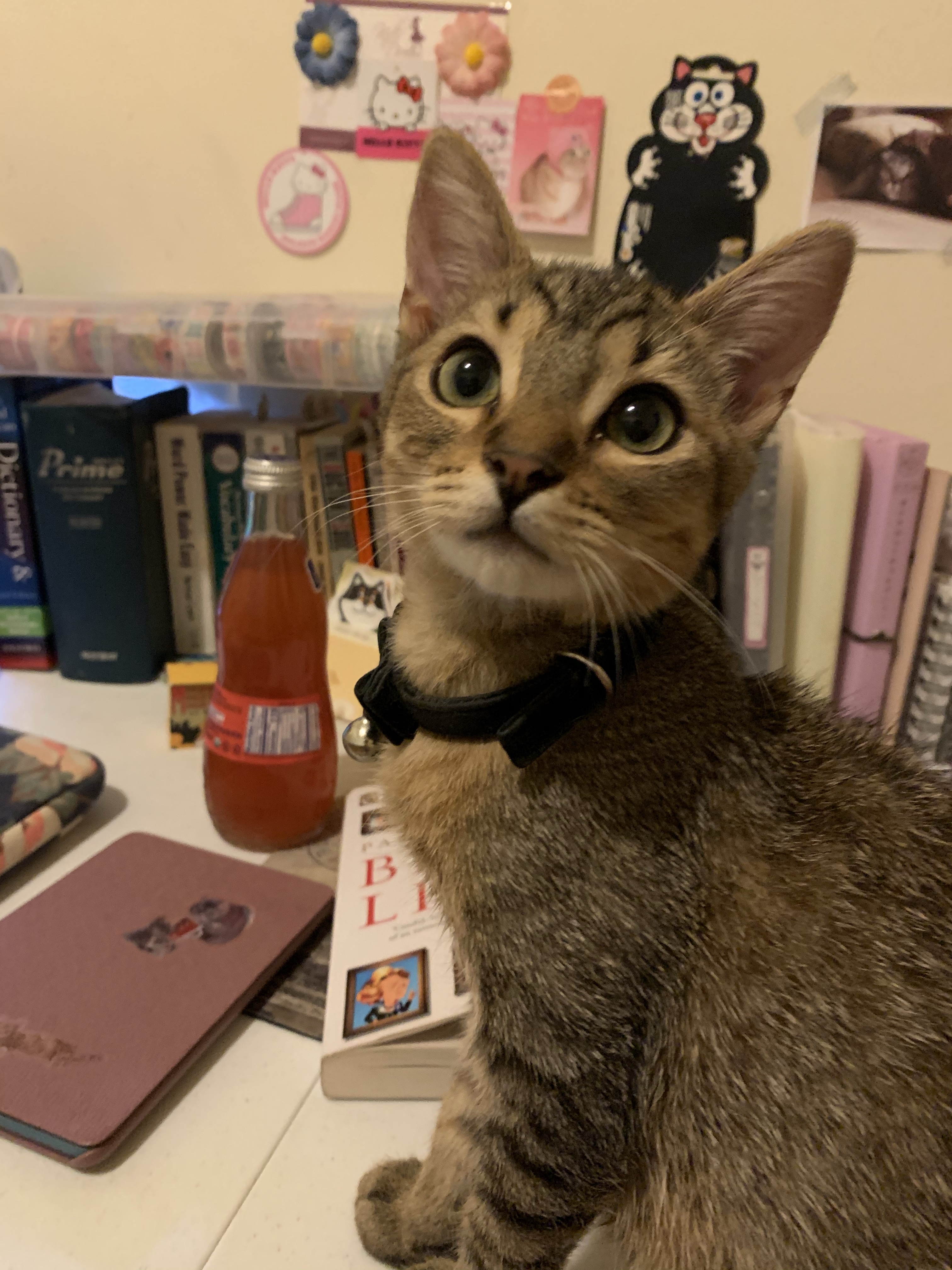 An ideal cat owner’s doctrines align against the condemned man’s images and the homeless cat in a cell. Then I also look at my 4-month old tabby cat Toro, whom I adopted from a shelter three months ago. Is he unhappy with me in this tiny apartment room? Is it because of boredom and separation anxiety doubled with a significant change of environment from pastoral life to city life that has driven him to a sudden pulsing and biting my hands and feet? Does he hate me because I leave him at home all day long with a mother who hates him when I go to work? Does he want to leave me and be adopted to a loving, perfect new owner because of my imperfection? Am I less qualified than the inmate to have a cat altogether? The thoughts smothered under the ineffective veil of forced positivism have reached the point where they can no more bear the suffocation and begun to erupt the lavas in the fiery magnitude.
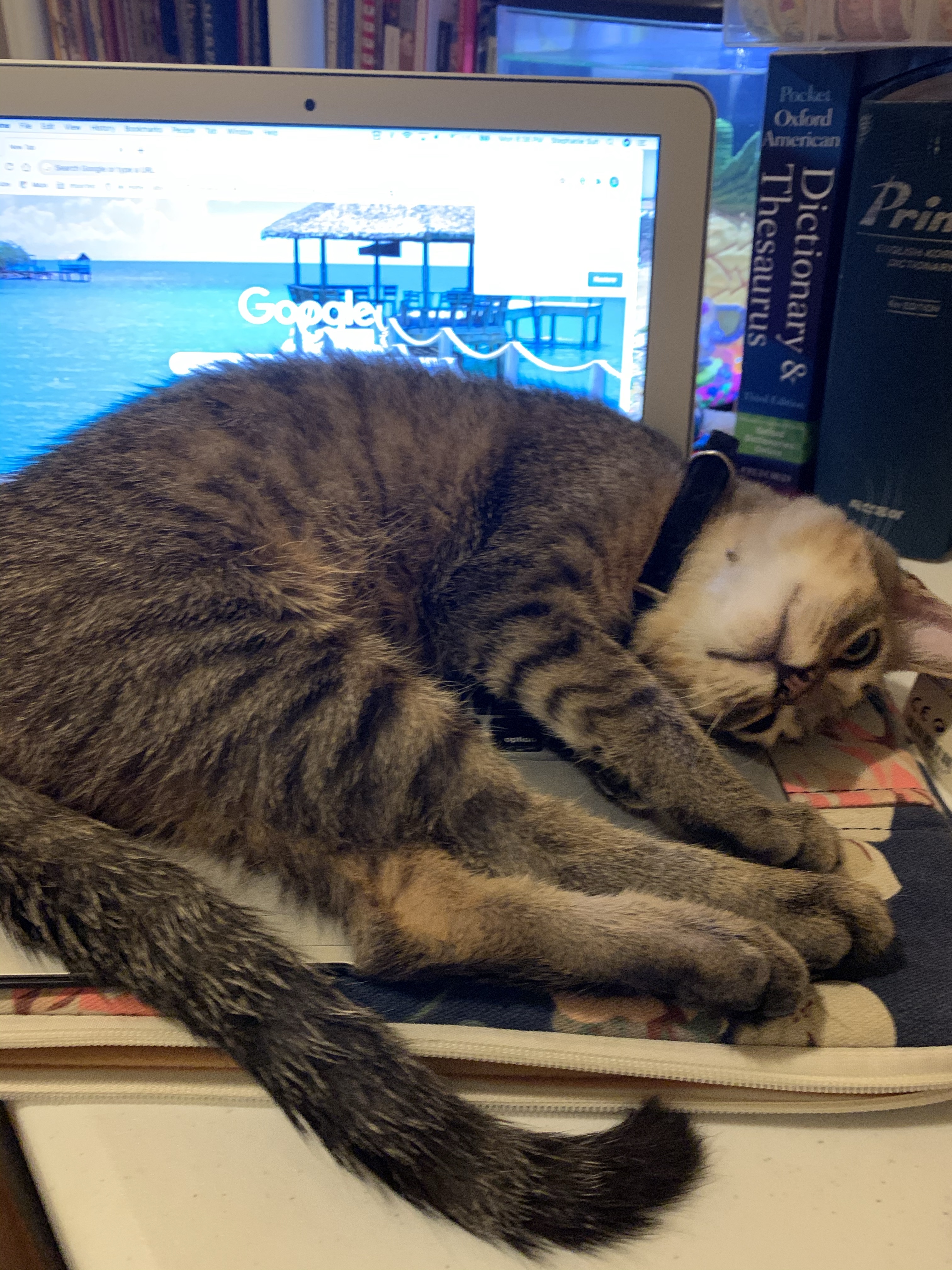
As a first-time pet owner, I like to think that it is not a coincidence but Providence that Toro has come to my life because he was the only kitten who came to me and my brother bunting his little flurry head against our hands through the cold metals of the cage in the shelter. Toro and I are much alike in many aspects: leisured time in seclusion, uncompromising individuality, insatiable curiosity, innate sensitivity, and unfailing feistiness. We also instinctively know each other’s mood because when I am dejected, Toro studies my facial movements and comes nearer to me with those adorable eyes filled with liquid warmth. Then I look at the cute little Toro before me and think that genuine love and care transcends the high walls of a grim prison and eclipses the roof of a perfect happy house. There is a home sweet home for me and Toro in my tiny apartment.


 “Anything new in today’s newspaper, Seraphina?” asked inquisitive Patricia, who arrived at Cafe Jolie, her and Seraphina’s “third” place after their homes and workplaces. “Yes, there is very shocking news connected to our neighbors in Avonlea!” Seraphina was excited by this one-of-kind news involving her beloved town that was seldom covered by any major newspaper unless big wigs in corporate world or bureaucrats in political arena visited the town with no other reasons than canvassing for “likes” of the good people of Avonlea, all for their dominance of popularity over the populace. So what made her flushed with rare effervesce? Patricia was by all means curious about it and wanted to dig out the whys and wherefores.
 Patricia’s heart became laden with ebbs and flows of emotions, erratically setting in motion a convolution of sadness, indignation, ebullience, longing, benevolence, and then pathos with a detritus of the news about the unfortunate incident befalling Helen and George she had just heard from Seraphina. So much so that her eating at the cafe with Seraphina made her feel indulged in some sort of sybaritic activities with a phantasmagorical display of the scenes in which both the mother and the baby were frightened, taking a flight to their neighbors until the return of other family members played stereoscopically in her metal theater. While her friend Seraphina just matter-of-factly discoursed the news as if it had been one of those articles in a provincial bill posted on a public board in a park, Patricia took it to heart and decided to visit Helen and George at the Collies after the brunch. Just as the great Roman historian Pliny the Elder aided the refugees of the catastrophic eruption of Mount Vesuvius with all his might, Patricia was willing to offer consolation however small it might be to the mother and the baby.


You must be logged in to post a comment.