Tag: thoughts

  • ‘The Complete Book of Cat Names’ by Bob Eckstein

    My rating: is 4 out of 5 stars.

    T.S. Eliot, an admirer of the cat, advocates the importance of naming them in his Old Possum’s Book of Practical Cats because cats are so individual that they defy asinine nominative determinism inadvertently assigned by humans. Suppose cats like the names they are called. In that case, they will turn their heads toward the resonance of the calls with inquisitive eyes full of curiosity that often turns into alacrity of adventure. In this witty and illustrious book, Eckstein agrees with Eliot and gives practical advice on naming cats ranging from ancient legacies to modern celebrities.

    Toro, the Tiger

    Eckstein provides a variety of ideas about cat names according to the guardians’ cultural inclinations, such as history, fine arts, and entertainment. For example, if you are keen on ancient history, consider the names like Cleopatra or Caesar. Picasso or Figaro if you love their paintings. How about Bono of U2? Whatever it may be, one thing is sure your cat loves it by responding to the name. According to a book I read about dogs written by a monk who specialized in dog training, it is advisable to give a gender-specific name to a dog. For example, if it is a female dog, the name should end with the -na suffix. Conversely, if it is a male dog, it should end with -no. Although the canine and the feline are different species, I always think it is convincingly good advice. Hence, I named my tabby cat Toro, derived from Tora, meaning a tigress in Japanese. Incidentally, my zodiac animal is Tiger, so I thought it would be apropos of him. Does Toro like his name? You bet.
    Nero, being Nero

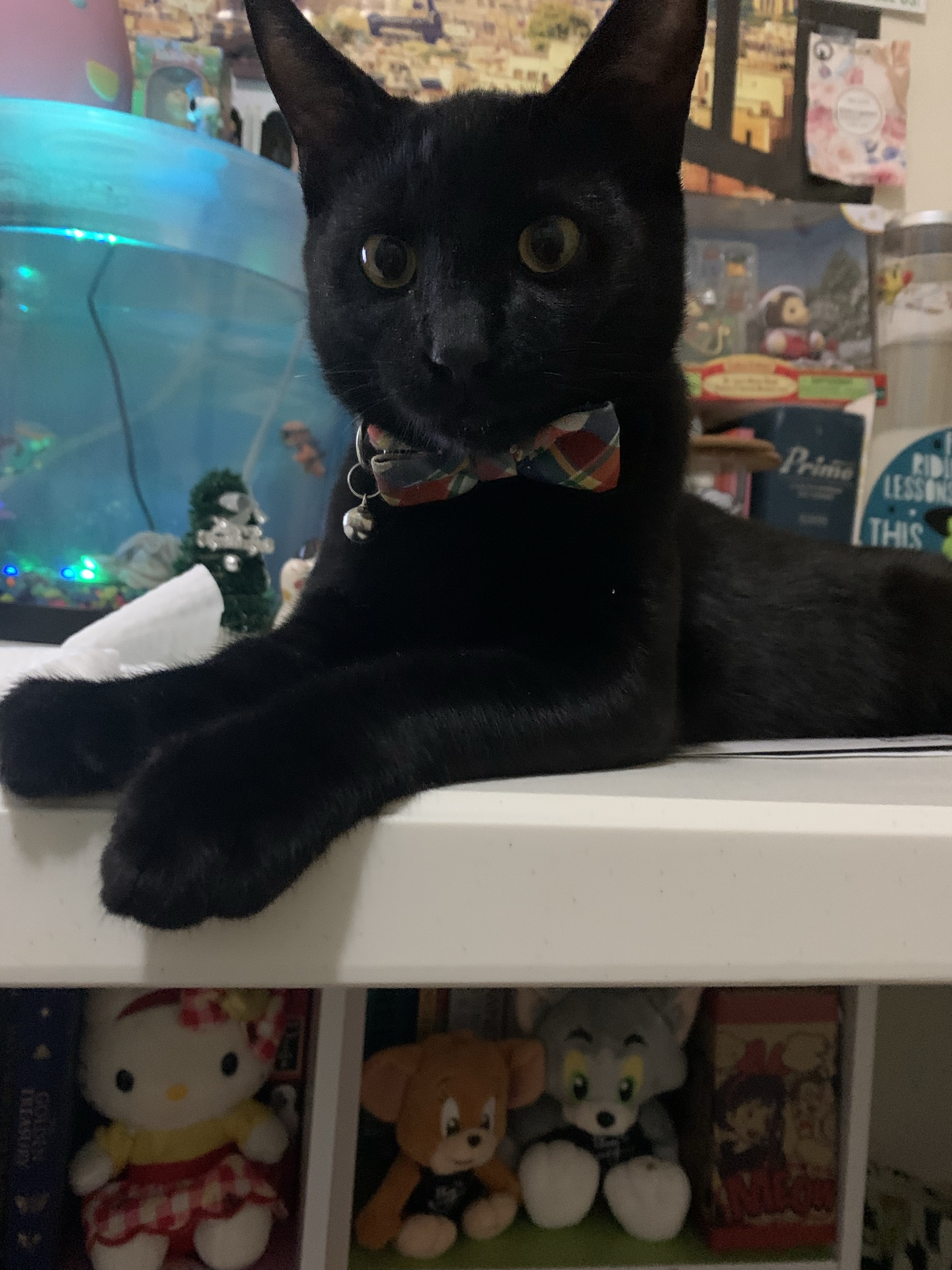
    My black cat now has a new name, Nero, changed from Camille, the name he didn’t respond to. Initially, I thought about naming him Bono as suggested by Eckstein, not because I like U2 but because I suspected my newly adopted cat being a Bombay cat with his beautifully shiny and sleek ebony fur coat. So I tried it, but there was no response. Then I remembered the song “A Black Cat Named Nero,” I liked when I was a little child. The result was Nero materialized. What can I say? Cats are individuals.


    I want to say this book is not only for readers with cats, but practically speaking, it isn’t. Any would-be cat owner or one who has just adopted a cat will find this book delightfully helpful in naming the cat. I have to say it reinforces me to change my second cat’s name from Camille to Nero. So when you call your cat, it should be the one only your cat has and likes it. You will know because your cat will meow. All cats are personal with stories to tell.

  • Later by Stephen King

    What seems abnormal may be normal to you. Seeing dead people may not be the most pleasant talent, but if that’s what you are born with, then it’s normal, and you have to live with it through Kubla-Ross’s famous five stages of dying. That happens to Jamie in his narrative of the coming-of-age proclamation of his identity in this story.

    Dead people are like quiet people lurking in the background of Jamie’s life. They appear to him as the last moments of their earthly lives, talking and joking to Jamie, who can see and hear them, albeit rather unreluctantly, because he’s not much pleased with his uncanny ability. But then it’s the discerning talent -says the Bible – that helps him know who he is, like an epiphany of a family secret locked in his uncle’s lost memories, thanks to nature’s force of dementia. However, this story is not so much a psychological thriller as a supernatural drama that is so characteristic of Stephen King’s novels, with a level of uncanniness combined with realism that makes his stories all the more real and relatable. The settings, the dialogues, and the jobs the characters have are not far-fetched, fanciful, or bourgeoisie, all of which attest to King’s engagingly realistic storytelling skills.

    Later is a three-fold story of horror without goriness, mystery without glamour, and bildungsroman without teenage angst. King has a unique knack for incorporating popular entertainment with serious literature that attracts readers of all generations and classes. He is a literary descendant of Nathaniel Hawthorne, Washington Irving, and Edgar Allen Poe, who defined American literature in the constellation of the World’s Literature for the joy of the beholders from generation to generation. All in all, this book will be one of the stars in the constellation.

  • compartmentalized

    There’s no such thing
    as a classless society
    even if the patriots sing
    No blue blood aristocracy
    but those trembled in needs
    with no jobs, no money
    are a class of their own
    pushed and patronized
    by the joy luck classes
    chanting in Salem’s fervor,
    “Beggars are losers!”

  • Once More unto the Breach! Here comes my New Year’s Resolution

    Once More unto another year, once more!

    As the first day of the new year has almost ended, I feel the urge akin to duty to make a new year’s resolution. There’s not much but high hopes for low heaven, with a reasonable scope of expectation and humble measurement of happiness. And since none other writers know about the depth and breadth of humanity than Shakespeare, I deem it fit to match his quotes with the contexts of what I have resolved to make this year of Rabbit fruitful and blissful.

    1. Be Not Afraid of Challenges
      ‘This is a step on which I must fall down, or else o’erleap. For in my way it lies.’ – Macbeth
    2. Don’t be easily crestfallen
      ‘There is nothing either good or bad, but thinking makes it so.’ – Hamlet
    3. Read More, Write More, No Matter What
      ‘We know what we are, but we know not what we may be.’ – Hamlet
    4. Keep it simple with humor
      ‘I was born to speak all mirth and no matter.’ – Much Ado About Nothing
    5. Let not a curse be my light purse
      ‘I say, put money in thy purse.’ – Othello
    6. Be vigilant at all times
      ‘Love all, do wrong to none, trust a few.’ – All’s well that Ends Well.
    7. Overcome existential malaise
      ‘Then I defy you, stars!’ – Romeo and Juliet

    Nobody says life is easy, and we know it to the point that such a saying has become a cliche. But life itself shouldn’t be and is not because we are such stuff made of spirit, fire, and dew, harvesting sunlight and starlight. Now that I have listed my New Year’s resolutions as above, I feel fresh of spirit charged with new energy like the Energizer bunny to keep going in my life, even if perils will lie ahead. But in the meantime, let me be that I am who I am as I write this post in my tiny room with my two cats, Toro and Camille, and seek not to alter this moment of simple pleasure.

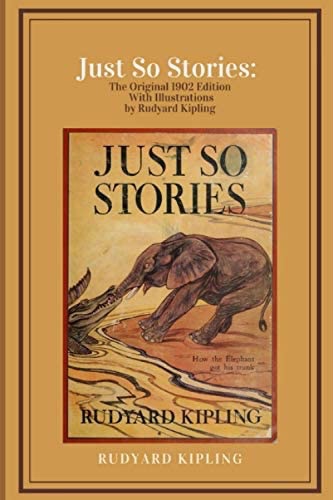
  • ‘Just So Stories’ by Rudyard Kipling – book review

    I believe history is a branch of literature full of events and stories made by artists and artificers weaving facts into myth, and vice versa, into a timeless tapestry of the world that was, is and will be. In that regard, Kipling is an artist who spins beautiful tales of how animals became what they look like into a poetic wheel of ear-delighting and cadenced words aided by gorgeous illustrations distinctively graceful and dazzlingly beautiful.

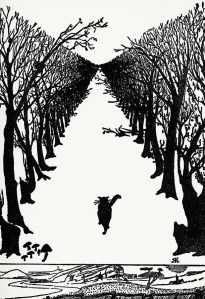
    Kipling’s evolution of animals explains why they look the way they are, such as a Leopard with spots, a Carmel hump, and many more. The stories become a fable and a history of its kind. It’s a literary version of Darwin’s Origin of Species, the wonderful menageries of Man and Beast that cannot live alone despite the differences in species because we are the inhabitants of this world, Earth. But, above all the fantastic tales of wonder, the Cat’s tale stands out in the story and the subject. Kipling’s Cat is proud but not arrogant, independent but affectionate, and vain but graceful. It’s a cat who walks by himself, and everything is alike to him and nothing else. The Cat is a beautiful stranger even if he likes to be a family, a kind of forever loner, the Puss in Boots with a cowboy hat and an empty holster. Kipling’s writer’s eyes saw the romantic solitude in a cat, and the result is one poetic Cat that rhymes well like the graceful way cats do their amazing somersaults.

    Just So Stories are not just for children even though it is classified in Children’s literature on the shelves of libraries. It’s a book for everyone who loves legends and magic, who still has a childlike innocence that refused to put away as an adult because it’s in nature. The stories are not for academic analysis or psychoanalysis but simply for the enjoyment of the mind and the delight of the heart. Remember Freud’s saying, “Sometimes, a cigar is just a cigar.” So are Just So Stories, so delightful and so pleasant.