I am not a baby anymore than you are a girl never; The hours, minutes, seconds we have traveled together How could we have known where we would be now when I see you in my eyes And me in your glass palace reflecting the liquid dreams forming the shapes of memories? The shadows of melancholy cast upon the liquid eyes filled with emerald dreams Will be cleared away soon When your lucky star finds you and the whole universe conspires to rebel against the malice of gods.
No pain, no gain! Who said that? What a sadist! Break the heart, what do you want? Blow the spirit, does it come again? Some may regenerate like an inveterate clown when some can’t take it with the heartstrings pulled tweaked, pinched, and torn Till their souls refuse to stay besieged, assaulted within. So, never say once again Pain is s necessary gambit with stacks of aces hidden because it simply isn’t but a swaggering fiddlestick.
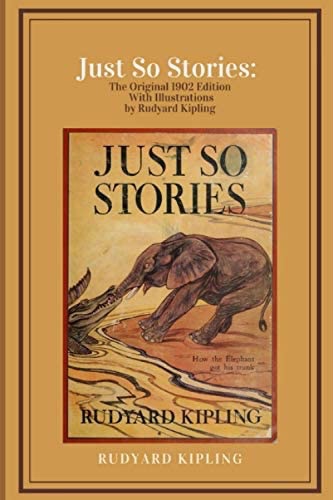
I believe history is a branch of literature full of events and stories made by artists and artificers weaving facts into myth, and vice versa, into a timeless tapestry of the world that was, is and will be. In that regard, Kipling is an artist who spins beautiful tales of how animals became what they look like into a poetic wheel of ear-delighting and cadenced words aided by gorgeous illustrations distinctively graceful and dazzlingly beautiful.
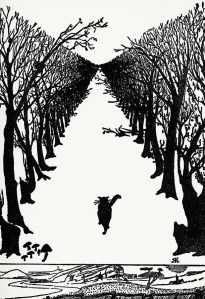
Kipling’s evolution of animals explains why they look the way they are, such as a Leopard with spots, a Carmel hump, and many more. The stories become a fable and a history of its kind. It’s a literary version of Darwin’s Origin of Species, the wonderful menageries of Man and Beast that cannot live alone despite the differences in species because we are the inhabitants of this world, Earth. But, above all the fantastic tales of wonder, the Cat’s tale stands out in the story and the subject. Kipling’s Cat is proud but not arrogant, independent but affectionate, and vain but graceful. It’s a cat who walks by himself, and everything is alike to him and nothing else. The Cat is a beautiful stranger even if he likes to be a family, a kind of forever loner, the Puss in Boots with a cowboy hat and an empty holster. Kipling’s writer’s eyes saw the romantic solitude in a cat, and the result is one poetic Cat that rhymes well like the graceful way cats do their amazing somersaults.
Just So Stories are not just for children even though it is classified in Children’s literature on the shelves of libraries. It’s a book for everyone who loves legends and magic, who still has a childlike innocence that refused to put away as an adult because it’s in nature. The stories are not for academic analysis or psychoanalysis but simply for the enjoyment of the mind and the delight of the heart. Remember Freud’s saying, “Sometimes, a cigar is just a cigar.” So are Just So Stories, so delightful and so pleasant.
When a thirsty wayfarer sees an oasis in the desert, And a weary sailor beholds the kingdom of shore distant, the joyful tears of the beholders remove the stains from the chamber of the hearts furious of grift desire And return them to the tender hearts.
The wandering Rainmaker A stranger To her power Invokes ever A benevolent rain Of inspirations On an arid terrain Of imaginations That are blocked In the Acheronian Wilderness barren Of wordlessness.
People living upstairs With the power of means To let you live or die De facto or de jure Have their sovereign parlance A sign of class consciousness That goes by saying thus: “No offense. It’s just personal. For work is work, and that’s that,” As if it were a recitation Of indemnifying themselves From injuring the other’s soul And absolving them of the offense They have committed willingly.
People living downstairs With the need for means To live and not die Physically and mentally Have their sovereign credos A sign of universal humanness That bellows from within thus: “No offense? It’s personal, For I am not mechanical Without sense and reason. What is it, then, addressing me? Is it nothing but a talking head?” Such is an echo from the valley Of the injured soul, weeping inside Forcing to remind the values of stoicism That works not for everyone’s soul.
Masters of slaves, transcendent of time Slaves of masters, regardless of race In different costumes, in changing scenery Have kept their footings in their places According to lots assigned by Wheel of Fortune; Some say luck ensues from efforts and geniuses, And many believe it so as though to numb the pains From the ills of society, the reality at face value.
Nevertheless, work is personal in the guise Of the professional that which even Adam Smith The father of the Wealth of Nations affirmed In the selfish human ego distilled in work; “Nothing is personal” is, therefore, a fallacy A res ipsa loquitur of illogical defense Of offense on the hangers-on by the upper hands Although they may refuse to agree with me In the security of their infallible power to decide The livelihood of those in need of their mercy.





You must be logged in to post a comment.