Tag: episode

  • Queen of hearts

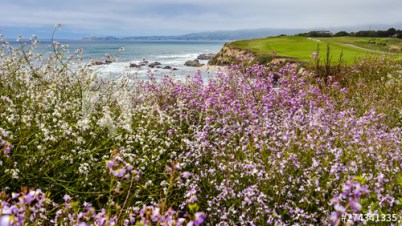
    500_F_274341335_PD5mMsZ0oscaOWx7diG52TCPi3hEhp3w

    Boldness can take you to unpathed trails and to undreamed lands, transferring all your yesterdays into all your tomorrows in one fell swoop. For we are such stuff made on dreams, hopes, and wishes however far-fetched they may seem. You live only once, so why not roll with it as you wish? And this touch of adventurism can make your soul emboldened to do things that you wanted to but couldn’t because the grit buried under the flotsam and jetsam of your aborted dreams and discouraged expectations begins to bloom in your secret garden of the mind.

    With the mysterious aura of haze vanished beyond the endless horizon, Judy suddenly felt a sense of destiny filled with adventures in the wild that set its unsullied beauty and quiet sovereignty apart from the crowded theaters of Reality where spectators and players hoot and holler for the most beautiful, powerful, and successful only she could not feel allied. And within this sanctuary of nature, this wondrous sense of go-aheaditiveness felt real but unbelievable. Rufus, Ben, Raphael, and Judy were all together in this joint adventure that was forming a kind of mental alliance among them, which was also felt but unseen. Forget Reason! For their faculty was more physical than metaphysical, less reasoning than instinctive in response to any such fantastical experience that delivers a burst of sensation to their beings spreading like a prairie fire sweeping every part of their bodies.

    “Gee, I wonder what it was. I know there’s something in the air because my gut feeling never failed me,” said Raphael, the Talker. “Yeah, I felt it too. Otherwise, the dog wouldn’t have barked at the thing in the air so persistently. You know, dogs and cats have special eyes to see ghosts and things we can’t. But whatever that was, it’s gone. Let’s get on with it and leave.” With this sententious statement, Ben started climbing up the saddle that was placed a bit too high for his stocky figure on his Californian mustang. His artistic inclination made him a believer of supernatural beings, but his work experience as an itinerary musician made him a practical dreamer with a view to match in the real world. But of course, his ability to cope with existential strains of daily life paled by comparison when it was juxtaposed with Raphael’s shrewdness pleasantly blended in his avuncular charm. While Ben was struggling to make it to the top of the saddle, Rufus was being pensive about the present and the future with a dream to make it big with the Aztec gold so that he could set up his younger brother Joe with a general store in their hometown. He was secretly in agreement with Ben that they should just forget about the free magic show to continue their journey for the buried treasure. My dear reader, you should not regard Rufus as a materialistic, footless young man hell-bent on being rich because once you get to know him more, you will want to be his best friend. Must I go further to affirm his character reference?

    Judy was looking and listening to this funny trio like Artemis, the goddess of hunting and the Moon, watching the comedy of the mortal from the top of Mount Olympus and thought they were indeed a curious band of wayfarers in quaintly old-fashioned attire and even more antebellum deportment and parlance, which piqued her historical curiosity feeding on her love of good old Westerns and stories of pioneers and gunslingers. To her big beautiful brown eyes, Rufus, Ben, and Raphael looked just like the characters from one of those Westerns starring Clint Eastwood, James Garner, Steve McQueen, and Lee Van Cleef. No, not John Wayne, Paul Newman, or Henry Fonda because they possessed no natural screen charisma surrounding their physical appearances as well as the mental force that could only be generated by real-life experiences and natural endowments. Judy was hooked on these characters still discussing and arguing about what to do next in front of her without regard to the pretty lass. If these men were a bunch of perverted thugs, she could have and should have known it at the first sight of them because she prided herself on her Sixth Sense inherited from her mother who was also spiritually gifted. All seemed intriguing and fascinating, thought Judy, who was on one-weeks’ vacation from her job as a secretary at a busy law firm. So, she approached the trio now all on horseback to offer herself as their scout. This gotta be fun. Judy secretly entertained the thought of being a frontier scout and thought her course had already been set for the Wild West.
  • the California musketeers – double trouble

    GettyImages-139795856-58ece3fe5f9b58ef7e8344a0

    Your present fears are less than your horrible imaginings.  What you see now is what you get with, deal with, and live with. It’s no way around, and if you run away from it for an instant reprieve, you know it will come to you again sooner or later. This is it, thinks Judy. I must take it and bear it with a grin. These men, the trio looking like characters from a western movie, appearing from the wild high noon haze, she does not fear, but their impending intents of coming to her with mysterious questions she doubts. Surely, doubts are healthier than fears because fears can crush your strength, and the weakness emanating from within can double the strength of the foes. Judy is secretly asking God to come to aid her and make haste to help her as the images of the trio are entering her trembling irises of the big beautiful brown eyes and fill her eyes in entirety.

    ‘Howdy! Lass!’ Raphael, the talker, begins the talking. The two other men on the stead behind Raphael display the look of curiosity and amusement. They are pleased to see a pretty woman with a matching cute little dog in the middle of the wild. Quite an exotic kind of a bird, Rufus and Ben think in harmony. But the exoticness comes not from the demarcation of the race but from a uniqueness of beauty: innocence and sensuality are delicately concocted in her big brown expressive eyes decorated with long, thick Persian black eyelashes like black silk curtains. And the crown of her beauty seems to be bestowed on the tall slim figure that renders her graceful and respectful. There’s something about her, which sets her apart from the women they have seen in saloons, music halls, ballrooms, and any place where flowers of society gather and mingle to be wooed and wed. ‘The lucky bastard’, think Rufus and Ben, both of whom envy Raphael with admiration for his way with ladies. In terms of looks, Raphael is an epitome of your ordinary amigo: slightly chubby in a frame, a round smiley face that looks impossible to grimace decorated with a neatly trimmed mustache, all amicability personified that will save him from malicious gossips and wrongful accusations. Hence, Raphael is the talker of the trio and a sort of mother and father to Rufus and Ben with his practical sense of reality and survival skills.

    ‘We are headed west toward Doritos. Do you know where it is?’ Raphael asks the lass as friendly as possible. Judy incredulously looks up the mounted man with a mustache and a sombrero and thinks that he looks very convincingly like Sancho Panza, Don Quixote’s faithful servant. There’s something about the man, thinks Judy. The diction, the ambiance, and the deportment are rather anachronistic or incongruous even to the social media era where people flag their selfies on the internet as if they were on a popularity contest and compete for likes and comments as emotional security and collateral for their forged so-called self-confidence. My Dear Reader, don’t misunderstand that it’s immoral of you to hang your beautiful pictures on a digital platform for popular admiration. It’s just that this act of self-promotion serves as a springboard for testing your marketability and your mobility as a result of winning the competition for likability based upon looks and frivolous comments that do not mean much, much at all. Amid this train of thought, Judy warms to this amiable man and decides to answer him. ‘This is Wildwood Park, sir. And I am sorry that I have never heard that there’s a place called Doritos, except for a brand of chips.’ Upon answering, Judy could not but burst into a peal of laughter. It is a sight to behold – the face of Raphael grimaced partly and bewildered partly, all in dazzling chemistry of emotions that is hard to describe. So much so that this display of indescribable human emotions on Raphael mollifies Nena’s agitation and puts the tempestuous waves of her emotions at ease. Now Judy feels refreshed and happy.

    Rufus and Ben are within an earshot of this dialogue between the pretty lass and Raphael and cannot but be disappointed by the fact that they are once again on the wrong track, which seems to be forever chasing after a phantom of the dead Union soldier obfuscating them lest they should find where the buried treasure is. Where’s the Aztec gold? When can they find it? Maybe the miasma of frustration and agitation that hovered over Judy must have been transmitted to Rufus and Ben on the stead because now their faces mirror the symptoms of the malady of broken hearts. Then suddenly, Nena now recovered from the plague of uneasiness, springs forward and wags its chubby tail and bark toward the firmament as if it were looking at a thing invisible to your and my human eyes. Nena keeps barking and looking at the puzzled crowd behind as though it were trying to explain to them that there is something in the air that only Nena can see but we can’t see. ‘What is it, Nena? What do you see?’ Judy knows that dogs and cats can see supernatural things because their eyes can look through the souls of the living and ghosts of the dead. Judy tries to follow the direction where Nena is looking and barking and sees a gossamer trace of haze vanishing into the air like the vestige of a propeller plane soon to be effaced across the skies. The more Judy tries to scrutinize it, the faster it disappears. And Nena keeps barking, looking in front of the curious crowd. What is it that the dog is seeing? They all look at the barking dog and become curiouser and curiouser.

  • 150 miles to El Dorado

    foggy-morning-in-a-meadow

    Judy begins to feel like a whimsical paramour leaving for a new object of love at sight. What was pleasingly solitary in nature seems to be prolonged isolation from the world that Judy so wanted to escape, and her coquettish dalliance with the wild rugged nature is no longer wanted as the Sun is slowly moving westerly to cave into the Evening Star and the Moon. It might be still early for calling it a day to you with your weekend frolics still left to re-calibrate your kicks for another week, but it’s late for Judy, who would rather mourn for a passing of the last day of a weekend at home than rebel against it in a frenzy of nocturnal bacchanalian orgy elsewhere outside the comforts of her den. Now the anxiety holds a grip on her, and she begins to fret, and the miasma of the ill-feelings begins to effuse the uneasiness to Nena who begins to whimper and to the accidental trio of strangers observing every move that this girl makes as they are nearing to her, part perplexed, part bewildered. What a curious mixture of emotions she puts on her face! Rufus, Ben, and Raphael become curiouser and curiouser as they get nearer to the porcelain doll in their eyes.

    ‘Howdy! Lass! What are you doing here?’ Raphael, the talker, begins the talking. ‘We are headed west toward Los Adios Mountain. Do you know where it is?’ Judy incredulously looks up the mounted man with a mustache and a sombrero and thinks that he looks very convincingly like Sancho Panza, Don Quixote’s faithful servant. There’s something about the man, thinks Judy. The diction, the ambiance, and the deportment are rather anachronistic or incongruous even to the social media era where people flag their selfies on the internet as if they were on a popularity contest and compete for likes and comments as emotional security and collateral for their forged so-called self-confidence. My Dear Reader, don’t misunderstand that it’s immoral for you to hang your beautiful pictures on a digital platform for popular admiration. It’s just that this act of self-promotion serves as a springboard for testing your marketability and your mobility as a result of winning the competition for likability based upon looks and frivolous comments that do not mean much, much at all. Amid this train of thought, Judy despite being agitated by the lateness of the time warms to this amiable man and decides to answer him. ‘This is Wildwood Park, sir. Los Adios Mountain is 150 miles away from here. And you should go northward. You are far off from your destination.’ It is a sight to behold – the face of Raphael grimaced partly and bewildered partly, all in dazzling chemistry of emotions that is hard to describe. So much so that this display of indescribable human emotions on Raphael mollifies Nena’s agitation and puts the tempestuous waves of her emotions at ease. Now Judy feels refreshed and happy.

    Rufus and Ben are within an earshot of this dialogue between the pretty lass and Raphael and cannot but be disappointed by the fact that they are once again on the wrong track, which seems to be forever chasing after a phantom of the dead Union soldier obfuscating them lest they should find where the buried treasure is. Where’s the Aztec gold? When can they find it? Maybe the miasma of frustration and agitation that hovered over Judy must have been transmitted to Rufus and Ben on the stead because now their faces mirror the symptoms of a malady of broken hearts. Then suddenly, Nena now recovered from the plague of uneasiness, springs forward and wags its chubby tail and bark toward the firmament as if it were looking at a thing invisible to your and my human eyes. Nena keeps barking and looking at the puzzled crowd behind as though it were trying to explain to them that there is something in the air that only Nena can see but we can’t see. ‘What is it, Nena? What do you see?’ Judy knows that dogs and cats can see supernatural things because their eyes can look through the souls of the living and ghosts of the dead. Judy tries to follow the direction where Nena is looking and barking and sees a gossamer trace of haze vanishing into the air like the vestige of a propeller plane soon to be effaced across the skies. The more Judy tries to scrutinize it, the faster it disappears. And Nena keeps barking, looking in front of the curious crowd. What is it that the dog is seeing?

  • Witching Hour

    s-l300The witching hour was nearing to cast its spell on the night under the aegis of Artemis, the goddess of the moon, and the passengers on the last train to East Ventura were inwardly invoking the power of Patience for a high hope for a low heaven – they all just wanted to go home after a hard day’s work, and no more. These aggregates were all bound by the same fate of being held up as hostages to the less practical and more unnecessary delay due to their inapt handling of one unruly passenger on board at Moorpark Station. The force of one unruly passenger carried the aggregates over the edge of their collectively simulated sanity and suspended their precious time to be spent at home. This nightly act of daily drama in the life of a commuter was in fact a repertory regularly put on stage by a company entitled Metrolink. It was performed yet again last night for an hour. Without Applauds, of course.
    Since I moved to California last October from New Jersey following the footsteps of the nineteenth century emigrants from the East to the West via mules-driven wagons on the Oregon trail, I have been trying to make myself adjusted to the Californian way of life in every sundry aspect. But the most Promethean challenge to overcome is commuting to and from work via train, and my whole life now seems to be run by train schedules operated by Metrolink, the Southern California’s commuter railway company. It takes about three good hours round trip to and from Union Station in Los Angeles without delays, so basically my free time after work during weekdays is to be spent on the train without much personal time at home in the evening. Let’s say the commuting time is agreeable at will due to my economic activities, but any such delays, including the aforesaid and waiting for an Armtrek train to pass by on the trails for about thirty minutes, are hard to receive my magnanimous understanding. And it seems that the last East Ventura bound train in the evening is set for giving me a series of trials by ordeal that I need not anymore. Woes to those who are already burdened with the yoke of needs.

    Call it a commuter’s blues or soliloquy, but whenever I am faced with another ordeal of habitual delay that seems to become part of my Immigrant Song in the Wild West, I think of the following Shakespeare’s quotation tinged with wits and pathos that speaks of our moments in life, such as last night’s episode of “Unruly Passenger at Moorpark Station”.

    And so, from hour to hour, we ripe and ripe.
    And then, from hour to hour, we rot and rot;
    And thereby hangs a tale.

  • Sound and Fury – Two


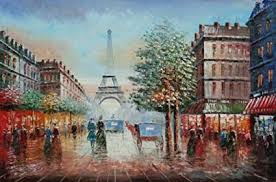
    images paris.jpg

    She is always waiting, and it seems like it is her forte. Like Clytie yearning for Apollo’s love, Iris pines for love as a sublimation of sensuality that is the union of Eros and Psyche. It is different from the religious sense of Agape love that is of a spiritual element only. Iris knows it all, and she is a student of the Nietzschean school of thought believing love is the surrendering of herself to the other in the consummation of desire so pristine and unadulterated of knowing and understanding of the flesh and the soul of her lover. But the tragedy is that she has read all about it, not experiencing it for real. She lives in the reality of her books and thoughts, and it is there she feels safe and comfy without fear of rejection. So, her world of love dwells in her maiden meditation to fancy-free, giving her imagination free rein to the extreme extent without the violent ends of such violent delights. In her mind’s garden, Iris lets her wild horse run her chariot without the goad because otherwise it would rebel against her order of severely restricted movements, which is unnatural to the beast, and drive her into a high cliff and then push her into fathomless Sea of Shadows.

    She seems to speak an infinite deal of nothing, but the feeling of existential Cul-del-sac Iris is having weighs as heavy as the celestial heavens that titan Atlas was holding for eternity. People said, “Beauty is only a skin-deep,” but that’s just a lame, piteous excuse and empty consolation for being unattractive, unwanted, unloved. For that matter, at least Oscar Wilde was honest in saying that a woman’s beauty was a form of genius that needed no explanation because it’s like sunlight. Love looked not with the eyes, but with the mind, so said Shakespeare, but it does not seem so to her.

    It is the attractiveness that makes people interested in the soul of the beheld. That’s why Iris wants to go to Aphrodite’s Beach somewhere in Cyprus, where it is believed that the goddess of love Aphrodite used to bathe. For it’s said that a woman in want of fairness will be transformed into beauty if she swims naked alone at the beach with no spectators around. Her fierce desire for fairness attests that all women should be told they are pretty and beautiful, even if they aren’t; they have no other reason than being women. Like a madwoman who has such a seething brain that sees beauty as a paradigm of goodness, Iris dwells on the beauty of life, watching the stars and seeing herself running with them in beauty.

  • Malaise – chapter ten

    cafe-sans-souci-sheila-kinsey

    ‘Everyone else is doing it, so why can’t I?’ Iris, the interrupted woman whose inverted elitism outed her of the quotidian pleasure, was finally on the verge of private rebellion against the lofty isolation from the world that beckoned her yonder with an alluring panoply of all things sensuous, tactile and visceral, like the tempting fruit from the tree of knowledge. The more she thought about the mysterious man’s Byronic face with Olympian physique, the stronger the flame of her heart grew. It’s really a foolish heart, thought Iris, but when she had no other than a woman’s reason and thought him so, who could berate her? Call it the affair of the heart or whimsical infatuation of the beauty that looked so patrician, so elated, and so untouchable. Yet, her heart was telling her that this time she should surrender to the power of the human nature by letting the force of desire besiege her solitary castle and infiltrate it in all corners without mercy of the inter-cultural code of ethics built on the puritanical dictatorship of the body and the soul.

    Consumed in the flame of passion, the soul of Iris was in communion with that of Dido, who loved Aeneas more than he loved her. Poor Dido- She deserved a better man who could return her love, for she was beautiful inside and out. Silly Dido- She should have moved on even after her lover deserted her for the glory of his predestined royalty in a new land. Dido was a woman of passion, and so was Iris. They lived on the idea of love and must have figures of love, for that’s what gave them perks of life. But at least, Dido had Aeneas, and her love was consummated in the cave on a stormy day, albeit it was all staged by Venus, the goddess of love and the mother of Aeneas, and Juno, the ever-jealous goddess. Dido’s love was actualized even for a short period of time when she was alone together with Aeneas. Alas! Poor Iris, I knew her, my dear readers. It all seems to me now that Cupid’s arrows took aims at her, but not the figure of her love. Her love was alone, her existence was always invisible, and she was not allowed the joy of love. Iris was dissociated from a parliament of Love, a congress of lovers.

    It was said that the idea of love to the classical Athenians was primarily erotic, rather than platonic, instinctual rather than spiritual, physical rather than mental. What we now understand about love was no more than a close bond between family members or a master and a horse or a dog. What Iris was feeling now was a combined love of Eros and Agape. She wanted the wholesomeness of love, as in the union of Cupid and Psyche. People would think that she was disinterested in love because of her beautiful but austere look that prevented people from being jovial with her. She never told her love to anyone but let concealment feed on her damask cheeks. She pined in thought with a green and yellow melancholy with solitude as her steady companion.