 The recorder is a wonderful woodwind musical instrument: light in weight, affordable in price, delightful in timbre, and easy to learn, it has been adopted as a part of music curriculum at many elementary schools, just as ancient Greek schools necessitated students to learn an aulos or a lyre. However, this seemingly insouciant musical instrument was the centerpiece of Baroque music because of its florid and vivacious sound that strikes the chords with busy, sophisticated, delicate melodies of Baroque, the term which originally means irregular shapes of pearls in Portuguese. So much so that Vivaldi, Handel, and Bach had composed music just for the recorder long before the cello, the violin, or even the harpsichord came into the scene and outclassed the lovely recorder.
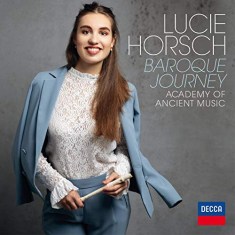
Ergo, the wanting of its significant contribution to the history of music and of its tainted beauty of the timbre has recently been brought to light, especially in Europe. The heroine of this jubilant revival of the Baroque recorder music is Lucie Horsch, a young Dutch recorder player whose musical finesse characterized by her vivaciousness of technicality and instinctive understanding of baroque music makes her exquisite musicianship look effortless and seamless. That classical music is not for the old conservative snobs but for anyone who has an ear for beautiful music is a tenet of the Arts on the grounds that the standard of taste and reason is universal in all humans as regards the principle of sentiment and judgment is common in humankind. As illustrated in this music video, Horsch and her musician friends represent the democratizing of classical music in general, making it accessible to enjoy for all, not a prerogative of a few fortunate in a stuffy concert hall.
If you are a novice in Baroque music, then Lucie Horsch’s Baroque Journey is a choice introduction to the world of Bach, Handel, and Vivaldi. She will be your Beatrice who will guide you to Paradise of the music, as she did for Dante in the Divine Comedy. In my opinion, the best number is The Arrival of the Queen of Shiba by Handel, for it best shows Horsch’s dexterity of playing the recorder flawlessly, delivering the best of her musicality with a burst of pep like a vivacious sprite.
Author’s Note: You can download Lucie Horsch’s Baroque Journey from your iTune on your iPhone to enjoy the delightfully whimsical world of a Baroque Recorder. The music will cast out from you a momentary vertigo of worries and anxieties and elevate your mood to an instant jolly caprice 🙂


 So there he was. You could always find him there at the same time, at the same place regardless of a change of four seasons, like it was his duty to do. Looking over the fence smartly seated on a rock on one balmy afternoon, Toto was calm and steady. His big brown eyes full of yearnings and visions glanced at the dancing leaves on the quince tree outside the fence where there were only a few fruits left because Grandma, being of generous and affable nature, had given the well ripe ones to the neighbors. However, such intermittently displayed quinces surrounded by the abundant leaves appealed to Toto’s inquisitive eyes: the way the leaves swayed to the tune of the breeze was a part of the nature’s orchestra that stimulated all of his senses, which ultimately led him to the outburst of his exhilaration in long howling like a wolf pup in the wild.


You must be logged in to post a comment.