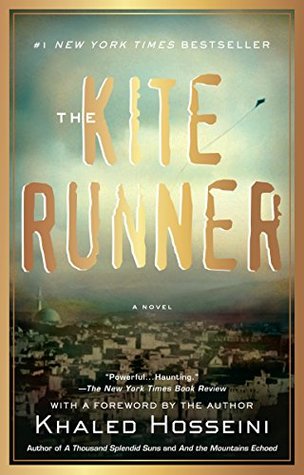
The Kite Runner by Khaled Hosseini
My rating: 5 of 5 stars
Writing is the most solipsistic and democratic means to make people discover your secret histories or inner world so that they can understand why you are what you are. That is what Khaled Hosseini does enchantingly in The Kite Runner. It is a bildungsroman story reminiscent of the Au revoir, Les Enfantes-Esque ambiance surrounding the narrative of a grown-up boy who wants to reconcile with the stupendousness of mistaken guilt becoming a malady of the heart. But that doesn’t mean it is all too surreal or stark grim to make an accidental reader think it is a wrong choice. On the contrary, Hosseini vividly conjures up the faces and scenes, resurrecting the spirits of the places and times, by putting together the tesserae of his memories in this rivetingly heartrending read.
The book incorporates the sociological theory of symbolic interactionist perspective focused on the relationships among individuals within a society and how political changes affect the lives of individuals and the sense of who we are and our relationships to others. The story’s narrator, a young Afghan boy of the upper-class named Amir Agha, gives the reader a ride to his childhood in Kabul to show the halcyon days of pre-soviet and Taliban reigned Afghanistan. First, you will see him and his best friend Hassan, a Hazara servant boy in his house, wallowing in reading stories and lost in kite flying. Then and thereafter, Hassan becomes a victim of the most horrific act committed by the half-German blue-eyed Afghan boy threatening him to win kite. Amir’s retrospective narrative becomes his public confession and ablation, all of which is a combined act of purging out the painful memories of the past and exorcising his demons tormenting him with the guilt of jealousy, ignorance, and cowardice. The whole narrative then becomes a plethora of pathos and empathy, resulting in a cornucopia of forgiveness and sympathy, drifting it all in a high-flying kite once and for all.
It is a fitting story in this particular time of Afghanistan history and Abdulrazak Gurnah’s winning of 2021 Nobel Prize in Literature for his achievement of universalizing human travails transcendent of racial, cultural, and geographical differences. Vivacious at times but dolorous at most, the Kite Runner is synthetic literature that wears habiliments of memoir and novel. There truth and fiction dissolve into one another anchored in real life with factual geographical and historical facts smoothly amalgamated in the individual narrative account, which reminds me of Herodotus’s “Histories.” Or it is an alluringly pioneering memoir-making that resembles Realistic Fiction. For whatever it is, the Kite Runner bestrides the aisles of contemporary literature sections, alluring the public with simple language that magically juxtaposed in beautiful prose style with lyrical quality, all soul and mind in the marks upon pages evocative of the spirits of the memories materializing.
View all my reviews
Tag: literature
-
‘The Kite Runner’ by Khaled Hosseini – book review
-
Song to Artemis
Stars sundry and allwhither
Planets pompous and distant;
But the Moon is only always
Goddess excellently bright!
Fairy Queen rides in her chariot,
Ghosts rejoice in the moonlight
Nature basks in moonbeams;
I revel at sight wonderous
Goddess excellently bright! -
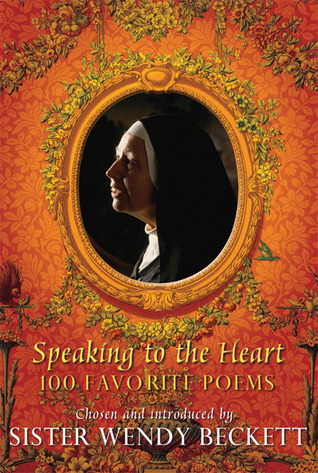
Sister Wendy’s lovely ‘Speaking to the Heart: 100 Favorite Poems’ – book review
Speaking to the Heart: 100 Favorite Poems by Wendy Beckett
My rating: 5 of 5 starsSister Wendy was an erudite and delightful cloistered art historian in a veil who knew that Poetry is a song of the heart from a mind spring of sense and sensitivity, not to be burdened with a weight of reason. The result is a lovely apple-picking of her favorite poems in her pretty poetic orchard to share the beauty with the universal reader whose heart intoxicated and the spirit exalted in ethereal ecstasy. Her selection of poems manifests the finer tissues of her heart and the higher octaves of her spirit. Reading the entire book creates empathy for the sensitive minds of the poets so physically poignant that the reader senses the pain and the longing of the poets vis-à-vis.
Sister Wendy, also known for her long-time BBC documentaries on the history of art, speaks her heart through the poems of her choice colored in the spectrums of human emotions, ranging from longing to wonder, hope to sorrow, and anger to love. Even the subject of Faith becomes alluring due to Sister Wendy’s magical transformation of the matter into fairy-like ideation with sensually diaphanous wings as pagan as could be. Her interpretations speak on the poet’s behalf as an individual soul at the utter solitude, not as a literary artificer whose achievement merits the name in the canon of literature. In doing so, Sister Wendy brings out the poet’s true sentiment under a forage of words and shines her mystic perspectives on the poet’s reading in a splendid but straightforward way.
The reader will find famous, not-so-famous, and obscure poems from Elizabethan England to 20th century America in this lovely book. Sister Wendy is both discriminating, and non-discriminating in the human emotions poured into the world of poetry. She is discriminating in the sense that she has a “Third Eye” that sees the poet’s soul and understands the sentiment nuanced in the poem, including wrath and despair, poisons to the mind. Non-discriminating in a way, she values poems spirited in the heroic but straightforward endurance of existential malaise in everyday life written in the plebian language. From Shakespeare’s ‘Fidele’ to John Harris’s ‘Feral’ and many more, the reader will feel ennobled to walk the gardens of the poetic Elysium with Sister Wendy introducing you to each of the poets’ greeting and smiling.
View all my reviews -
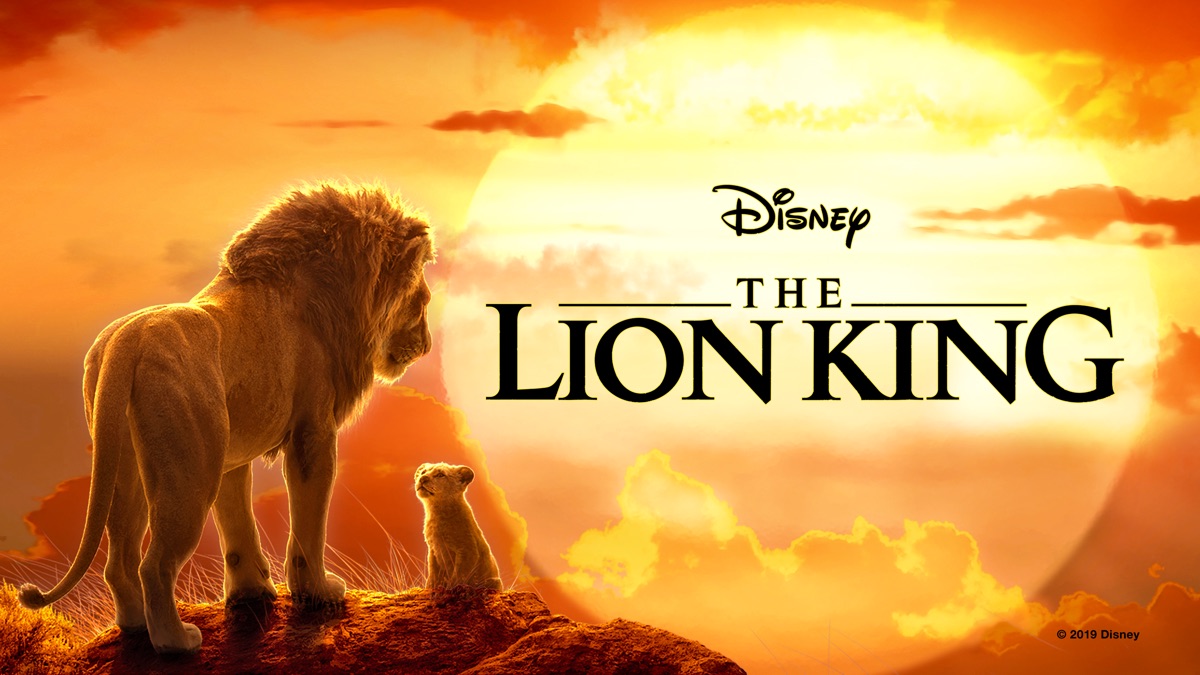
Hakuna Matata! ‘The Lion King’ (2019) – film review
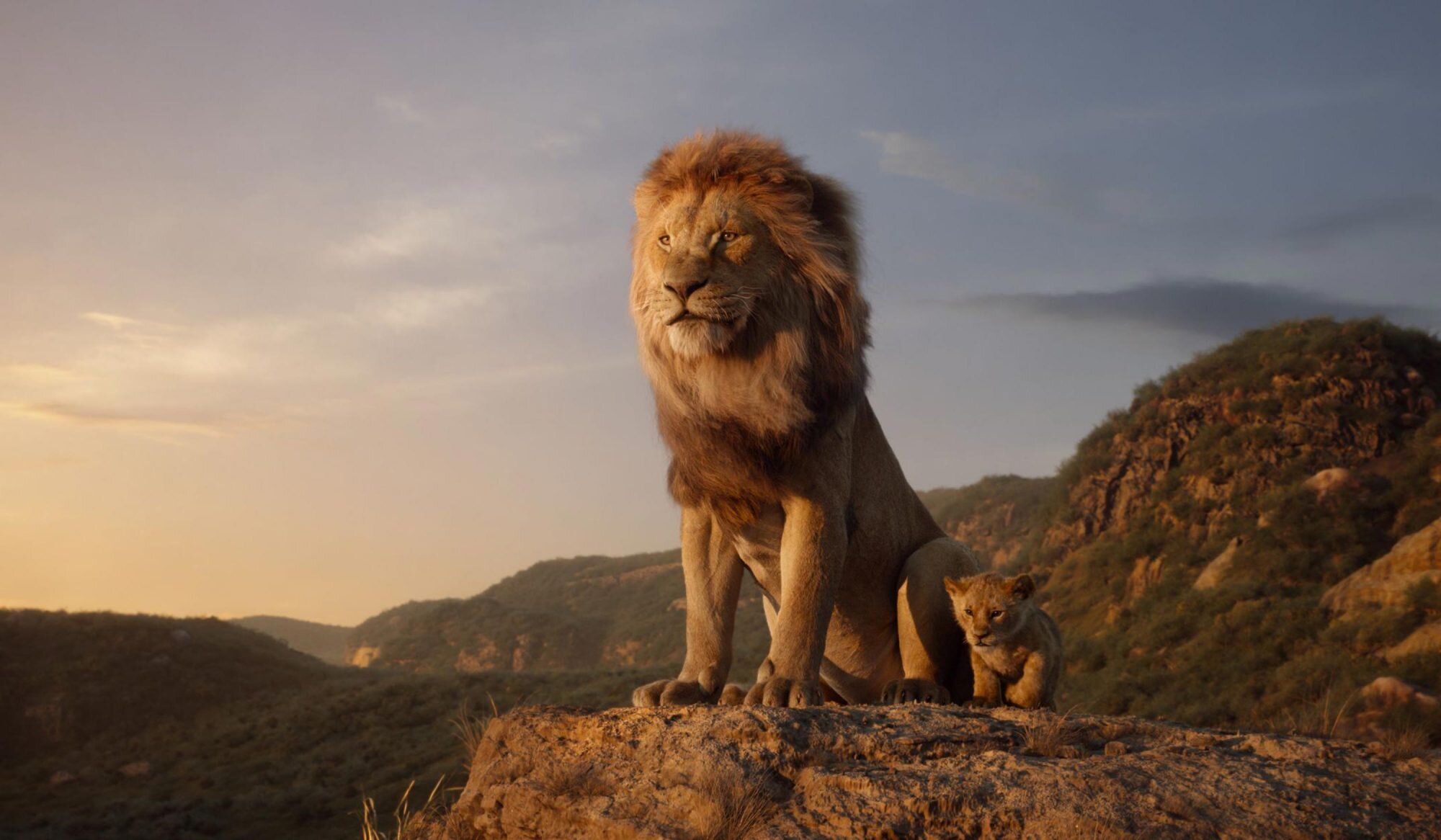
Whether animated or dubbed, good movies are conversant with more delicate tissues of conscience and spirit than others replete with vehement manifestos. I am talking about ‘The Lion King’ (2019 film),’ that is. It is a wholesome movie with simple adages of friendship, love, patience, and courage—only the more vividly alive and visually superb with the Cute factor. The film is also what Plato says in the Republic, a work of art that best imitates the objects and events of human life, a good entertainment.
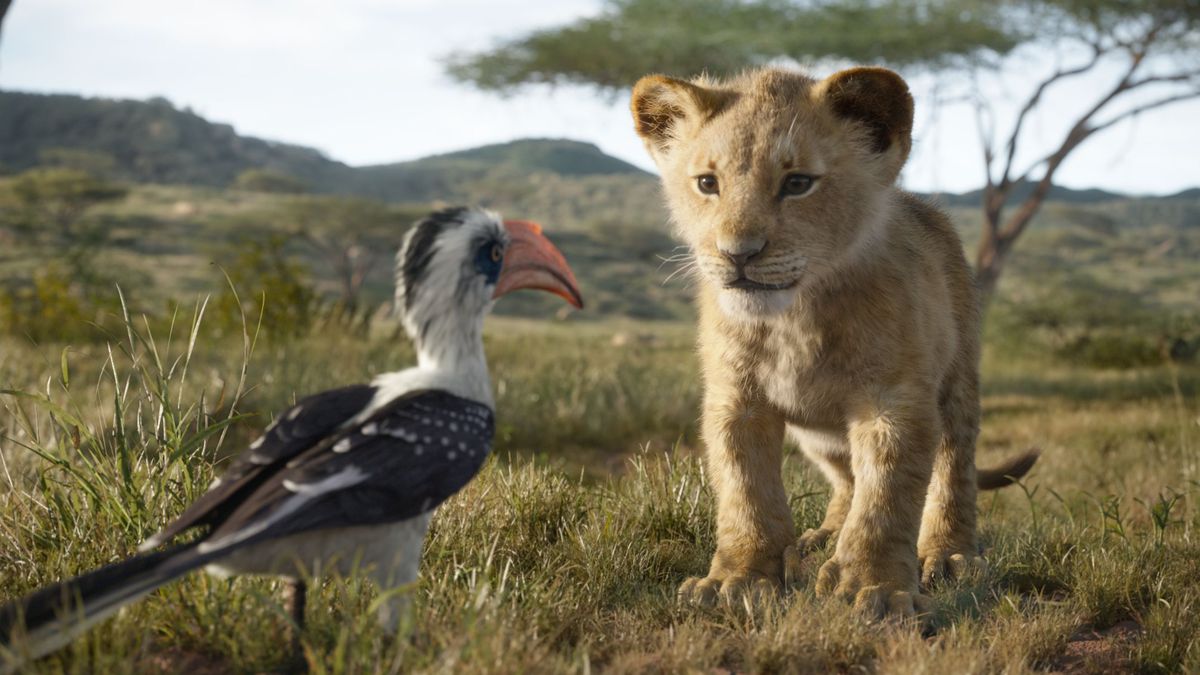
The a priori reasoning is sometimes apt, and so was the movie. I admit that had it not been for the cute Simba’s face in the movie’s advertisement on my newly subscribed Disney Plus channel, I would have passed it. Besides, living with nature in the form of thirteen-month-old tabby cat Toro at home perfected the inclination to watch it. What captured my eyes most was the realistic animals and landscape that rendered undoubtful verisimilitude of natural wildlife in Africa. It’s a hybrid of the 21st science and timeless imagination that created the world’s awe-inspiring symmetrical view of natural beauty in cinematography. Contrary to unwelcome and acerbic opinions about the movie for its lack of fluid emotions and spectacular action scenes, I find it genuine and honest. It illustrates the natural habitats and habits of the animals in the wild as authentically as possible, which may seem less than what today’s audience inured to gratuitous special effects and outpourings of dramatic gestures. However, nature is simple, and Leonardo da Vinci saw it as the ultimate sophistication of beauty.
If Aesop’s Fables are the ancient Greek’s way of teaching morals or virtues to people of all ages, this film follows the tradition of teaching the good in the audience’s hearts. There are four types of love subtly construed as thematic subjects in the movie: (1) Eros – passions between lovers; (2) Philia – friendship; (3) Storge – love between parents and children; and (4) Agape – humanity. Furthermore, the Homerian code of honors that Simba and his father Mufasa possess and the eponymous virtue of arete consists of moral integrity and physical finesse. The goodness described above incarnates in the pride of the lions and alludes to human characteristics laid bare in the majestically untamed landscape of the Pristine Wild.
‘The Lion King’ (2019 film) is thought-provoking and entertaining. Plato, whose view on the best of art as the best imitation of the physical world, would approve of this film as a wholesome entertainment in the constellation of the great minds. But, notwithstanding his approval, the film is worth watching when you feel lonely and need some pick-me-up spirit with smiling cheer. After all, a good mood in the buoyancy of a cheerful soul with hope for an uncertain future is what makes our lives pleasant. Hakuna Matata!
-
to the departing
For all my life, I have not seen the world
As others see – I have not felt the love
As others feel – I have kept away from it
All wonderful, beautiful, blissful ever!
Now the eyes that have seen and witnessed
The vagaries of the world in their league
Begin to wane in clouds of shattered dreams
That were clinging to the myopic windowsills
And prepare to let them go with the memories
Of images that they have cherished for rarity.
The lights of the windows to the world flicker
In the red wind growing strong and stronger;
And the keeper of the castle weeps in darkness.
-
Aesop’s Fables
Aesop’s Fables by Aesop
My rating: 5 of 5 stars
Last week, I reread Aesop’s Fables as an adult (that is, in terms of the ages on an evolutionary scale) in the 21st century and found them just as attractive as the first time reading it as a child. What a feeling! A freed slave once, Aesop’s natural wit combined with protean imagination made him able to investigate the essence of things, the nature of things, and attribute it to human nature’s characteristics, which ultimately brought him mortal death and immortal life. He was, in a way, a lot like Hephaestus, the god of fire, blacksmith, presider of the arts, and the only legal husband of the goddess of love and beauty Aphrodite who found him unbearably unromantically ugly.
Aesop’s Fables still scintillates in the brilliance of affabulation and humor that nicely relates to Nietzsche’s concept of immanence, the understanding of nature of all things; the Natural Law called conscience the supreme ruler of the universe has inculcated in us. The Fables are full of lessons that are akin to Jesus’s parables employed in his teaching of ethical codes for Christians in daily life. Of course, Aesop was of the Pre-Jesus era. Still, his stories bespeak something of human nature that had already existed, which is ongoing and will continue as long as humanity exists. The cardinal virtues of prudence, justice, temperance, fortitude, and Christian values of faith, hope, and charity are all embroidered on the elliptical, imaginative, and impressive episodes of and among humans, animals, and even gods in this immemorial anthology of ancient wits. “The North Wind and the Sun” teaches about the force of gentility over the fear of intimidation. “The Woman and Her Hen” resonates with the timeless adage of everything in moderation. “The Milkmaid and her Milk Pail” corroborates the famous proverb that you should keep a bird in your hand than catch two in a bush. Treating others in a way you want in reciprocity illustrates the dinner scenes in “The Fox and the Stork.” And yes, I believe President Ted Roosevelt must have gotten inspiration from “The Astronomer” that you should look at the stars while keeping your foot firmly on the ground. And there are more stories to wow modern readers.
Aesop’s Fables are so practical and amusing that all of them collapse millenniums between his telling and our reading it. Besides, all of them read like Book of Proverbs or Psalms in free verse or prose version, which makes the reader unburdened with textual analysis to decipher meanings intentionally obfuscated by the high intellect the academic writers of the sort. The Fables are comprehensive to all, serving a purpose of providing tenets of reading; to bestow pleasure of the sense and satisfaction of reason in a way you do not consult a help of a dictionary or other lexical or literary reference. Reading the Fables gives a feeling of watching a TV cartoon, say Woody Woodpecker, which tells something about man’s nature wrapped in an animal hide. So do not fear reading Aesop’s Fables now. It is well worth spending your free time discovering the universality of the truth with that “A-Ha!” moment regardless of the subjectivity of time.
View all my reviews


You must be logged in to post a comment.