Tag: story

  • at the sea

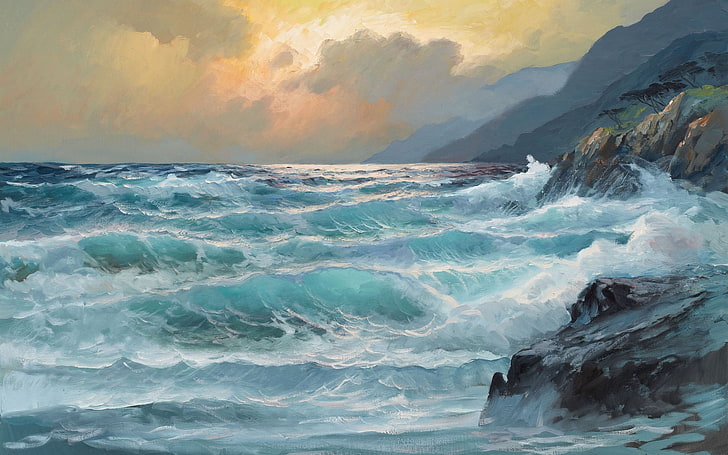
    I have seen the insidious sea
    Lull the children of the shore
    With the sweet aeolian lullaby
    And the pretty nymphs appear
    From the bottom of the ocean
    To bring them into the palace
    Where their father, Poseidon
    Keeps the souls of the sea
    As is his mighty brother Zeus
    For the world above and beyond;
    Woe betides those who forego
    The fates of the young souls,
    For their grandfather, whose eyes
    See the insidious machination
    Fascinate the innocent hearts
    In the whirlpool of rapid waves!
    The old man’s fury is greater
    Than the furious god of the sea;
    He dives into the angry waters,
    Fighting against the god in spades
    With his bare arms cutting the waves
    Like swords that could kill ghosts
    And wins of his two grandchildren;
    From the god whose wrath sees
    No end until it grows the waves
    Into the myrmidons of madness
    And carries the old man into the abyss.

    P.S.: This poem is based on my reading of a newspaper article that a sixty-one-year-old British grandfather died while trying to save his two grandchildren, aged seven and ten, in the sea off the island of Crete, Greece. The man got into the sea, fighting with the rapid, treacherous waves like Caligula, who declared war on the sea, whipping the waves furiously to invade Britain. Finally, his grandchildren got out safely, but alas, the old man was engulfed by the wrath of furious waves and drawn to the bottom of the sea. I could not just forego my feelings upon reading the story with poetic elements that also bring me the mythological image of Laocoon, the Trojan priest punished by Poseidon who sent the great serpent engulfing him and his two young sons for his discovering the Greek ruse about the wooden Trojan horse. Hence this little poem is in memory of the brave and loving grandfather.

  • Braveheart

    Beneath a new visiting sun
    Sees a woman through tears,
    Sorrow of the heart she feels
    As it deepens into a sea of pain.

    Beside her an ailing old woman
    Lies in natural amnesia for woes
    She wishes to send away in vain
    When a life’s grip is relentless.

    Fear crowded, tension soaring
    Zealots of God clad in weapons,
    Fierce eyes searching for victims
    Outside is the terror reigning.

    Demands of life, duties of care
    A caryatid bears on her head,
    She faces the faces of terror
    With a brave heart for the fate.

    Author’s Note: Yesterday, I wrote about my essay on the current situation of Taliban-seized Kabul in Afghanistan but still could not take it off my head because I felt for their fear for unknown futures. An article of the day from Reuters was about the ordinary Afghans who had to make livelihood even against a possibility of danger that lurks around everywhere where thousands of people are attempting to escape from the new Taliban regime, often futilely. Therefore, this little poem, albeit insignificant willy-nilly, is my small tribute to the brave ordinary people on the frontline with life in Afghanistan who are just like you and me. The heroine of this woman is another Me in Afghanistan who shares a similar life story.

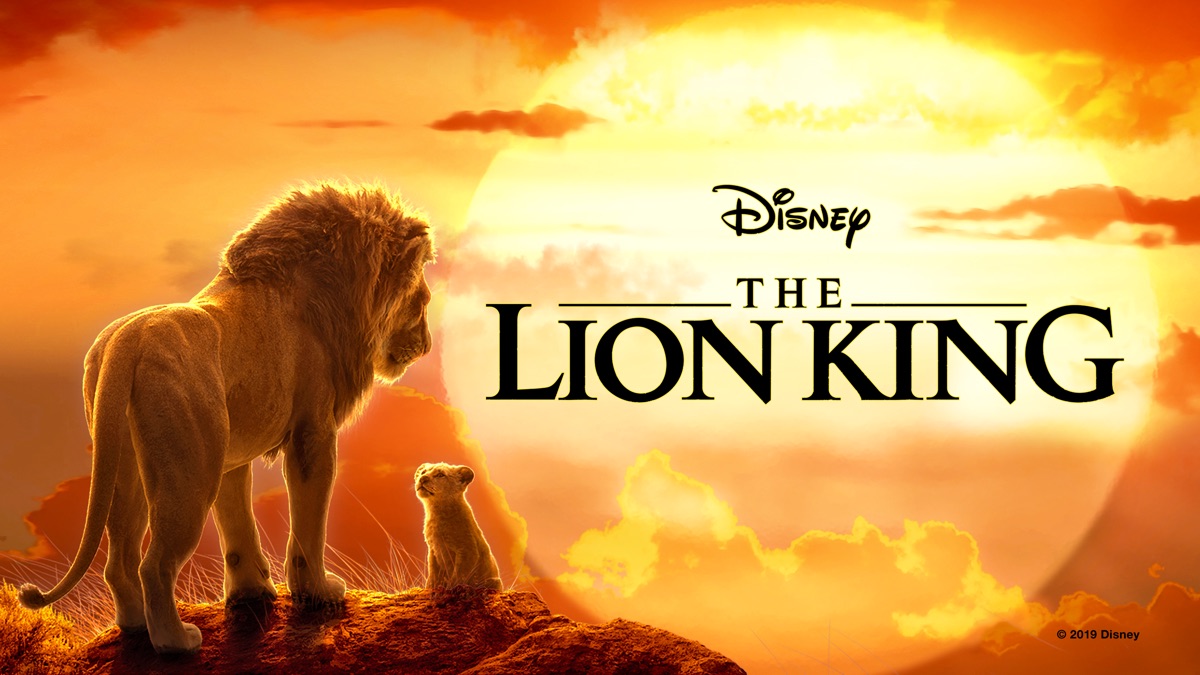
  • Hakuna Matata! ‘The Lion King’ (2019) – film review

    Whether animated or dubbed, good movies are conversant with more delicate tissues of conscience and spirit than others replete with vehement manifestos. I am talking about ‘The Lion King’ (2019 film),’ that is. It is a wholesome movie with simple adages of friendship, love, patience, and courage—only the more vividly alive and visually superb with the Cute factor. The film is also what Plato says in the Republic, a work of art that best imitates the objects and events of human life, a good entertainment.

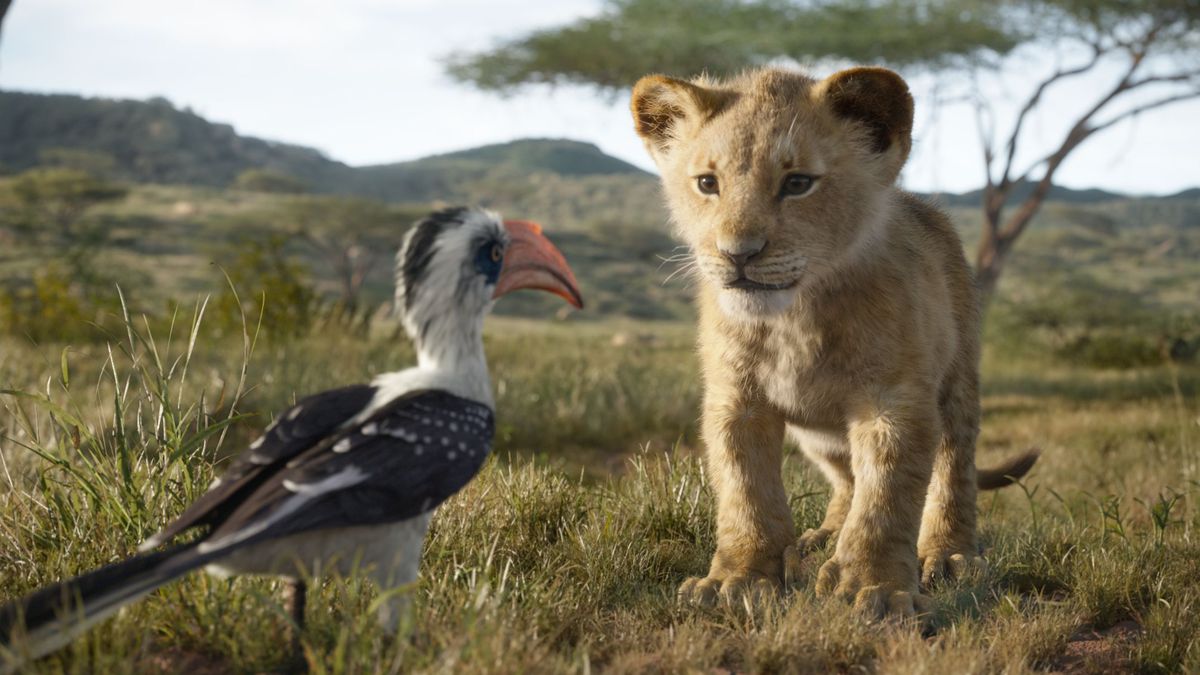
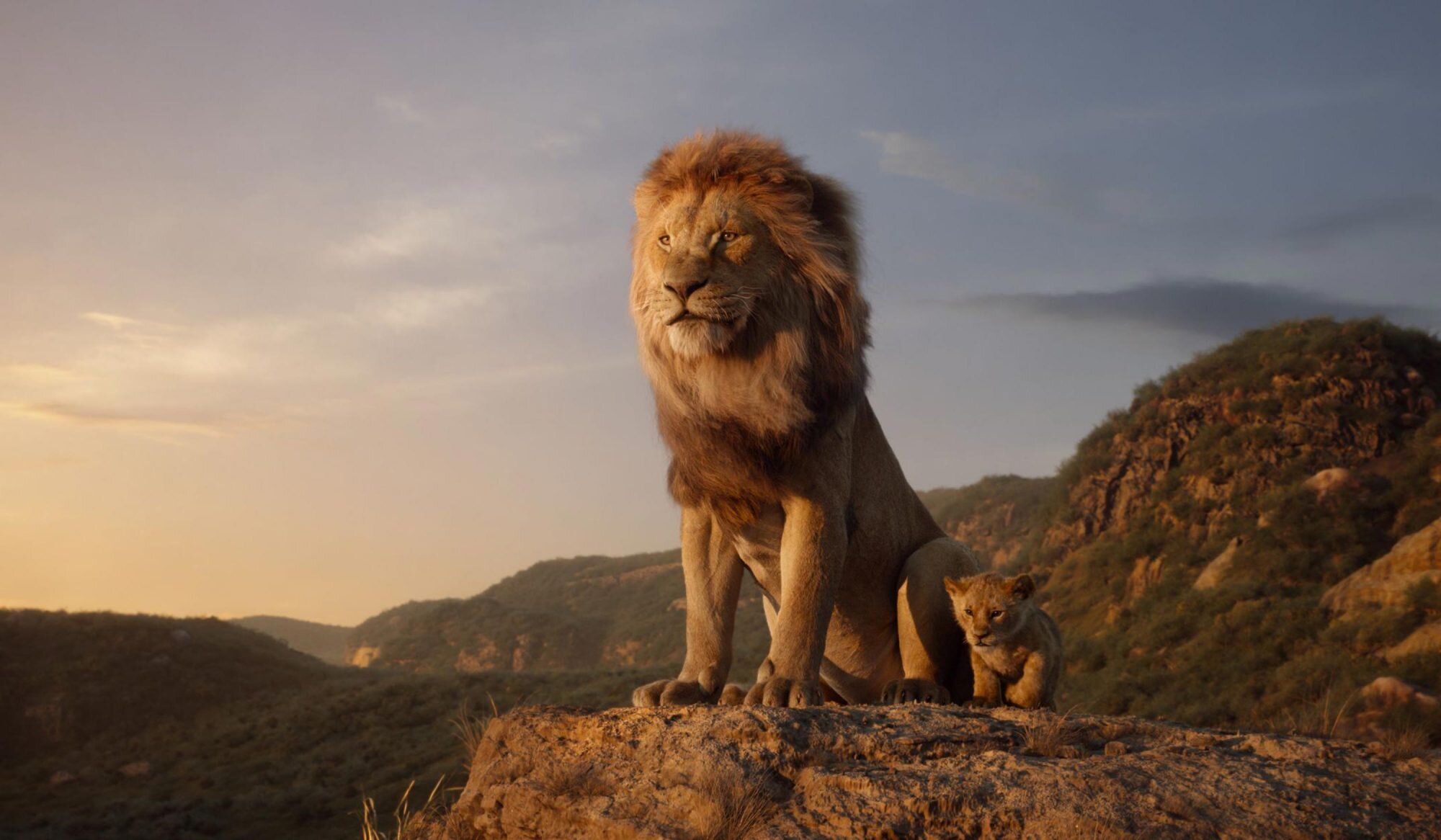
    The a priori reasoning is sometimes apt, and so was the movie. I admit that had it not been for the cute Simba’s face in the movie’s advertisement on my newly subscribed Disney Plus channel, I would have passed it. Besides, living with nature in the form of thirteen-month-old tabby cat Toro at home perfected the inclination to watch it. What captured my eyes most was the realistic animals and landscape that rendered undoubtful verisimilitude of natural wildlife in Africa. It’s a hybrid of the 21st science and timeless imagination that created the world’s awe-inspiring symmetrical view of natural beauty in cinematography. Contrary to unwelcome and acerbic opinions about the movie for its lack of fluid emotions and spectacular action scenes, I find it genuine and honest. It illustrates the natural habitats and habits of the animals in the wild as authentically as possible, which may seem less than what today’s audience inured to gratuitous special effects and outpourings of dramatic gestures. However, nature is simple, and Leonardo da Vinci saw it as the ultimate sophistication of beauty.

    If Aesop’s Fables are the ancient Greek’s way of teaching morals or virtues to people of all ages, this film follows the tradition of teaching the good in the audience’s hearts. There are four types of love subtly construed as thematic subjects in the movie: (1) Eros – passions between lovers; (2) Philia – friendship; (3) Storge – love between parents and children; and (4) Agape – humanity. Furthermore, the Homerian code of honors that Simba and his father Mufasa possess and the eponymous virtue of arete consists of moral integrity and physical finesse. The goodness described above incarnates in the pride of the lions and alludes to human characteristics laid bare in the majestically untamed landscape of the Pristine Wild.

    ‘The Lion King’ (2019 film) is thought-provoking and entertaining. Plato, whose view on the best of art as the best imitation of the physical world, would approve of this film as a wholesome entertainment in the constellation of the great minds. But, notwithstanding his approval, the film is worth watching when you feel lonely and need some pick-me-up spirit with smiling cheer. After all, a good mood in the buoyancy of a cheerful soul with hope for an uncertain future is what makes our lives pleasant. Hakuna Matata!

  • the world’s oldest musical instrument

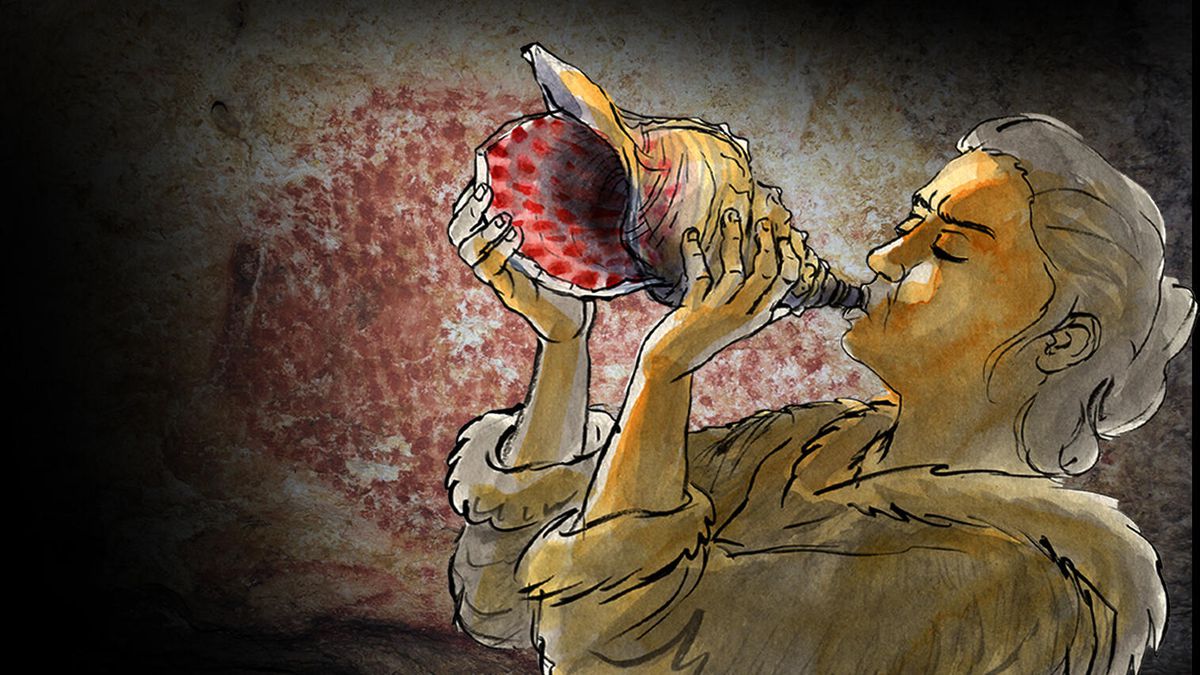
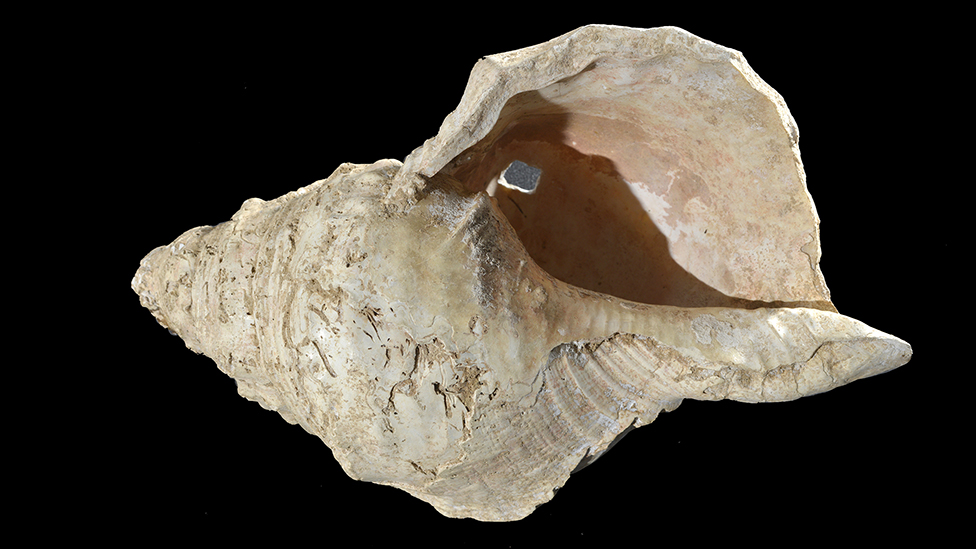
    A team of scholars has recently reexamined a conch horn discovered around the Marsoulas Cave in southern France, the famous cave art site, and concluded that the conch was more than just an ornamental artifact used for a drinking vessel or any other trivial purpose in Upper Paleolithic Age, aka Old Stone Age, dating from around 17,000 to 12,000 years ago. It was an age when Cro-Magnons, a Homo Sapiens nomadic tribe in western Europe, emerged as formidable hunter-gatherers of reindeers and horses from a new cold and gray prehistoric horizon in the dawn of the ages of man. They were Magdalenian, named after a rock shelter located in the French Pyrenees where the artifacts and human remains were discovered. They left the prehistoric legacy in the form of the Magdalenian conch.

    By using a carbon dating system and other state-of-art scientific apparatuses, the scholars posited that the conch horn was a musical instrument to enjoy the prehistoric Magdalenian symphony in the cave. The cause of reason for the hypothesis is a purposefully cut-off apex of the conch horn as if to adjust for blowing and making sounds. In fact, a modern music player tried playing it at its initial discovery and found out that the tunes were ranged close to the notes of C, C Sharp, and D, making it the oldest wind instrument of its kind to this date. Moreover, the conch patterns were similar to those appearing in the pictures of cave walls, which scholars deduced that they were significant in denoting cultural functions in the communes.

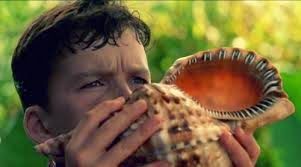
    However, although the connections between the cave art and the conch horn are intelligent hypotheses, the idea of the conch as a musical instrument doesn’t quite hold water to me. First of all, the image of a conch horn always conjures up the dystopian vision of the boys in William Golding’s Lord of the Flies. In the story, boys blow the conch whenever they convoke meetings, which usually spring from sinister motives resulting in gloomy consequences. Also, the god of sea Poseidon blows a conch when he heralds his formidable divine presence, shaking the waves of the oceans. The use of the conch was to be more of notification of alarm for political or social events, not of a musical instrument for cultural appreciation. Besides, as aforesaid, a conch is often associated with the sea, unfittingly matched with hunter-gatherers in the mountain or sea-locked regions. Although scholars pointed out that the Magdalenian could travel to the shore and brought a conch as a souvenir, using it as a pastime wind instrument is a bit of stretch, a romantic imagination about the cave people differentiated from ruthless, animalistic, highly advanced kinds of ape.

    If the scholars’ educated guess becomes a theory, then the Magdalenian conch horn will be entitled to the first place in the history of musical instruments. But considering the geographical reason and natural tendency related to a conch shell drawn upon historical and literary contexts, the Magdalenian conch shell must have been either a curiously collected souvenir from a trip to the shore or a valuable instrument to call upon meetings in the communes. Also, it could have been a convenient alarm to indicate a sight of animals for a hunt or protection. For melodious variations pleasing even to uncultured ears, the sounds of strings made from the leftovers of hunted animals hung on pieces of wood would be perfect for their hunter-gatherer entertainment.

  • Becoming the Ancient Mariner

    Think. What do Kubler-Ross Model of Five Stages of Grief, Spinoza’s Amore Dei, Nietzsche’s Amore Feti, and Logotherapy have in common? That it is all about how to accept fate as it is, the stupendousness of truth, the veracity of suffering as a way of finding meaning in what you have to endure. Religion is a poetic way of describing the suffering, a burden of life, another intuitive interpretation of looking at the pain and yielding to it as a destiny. But it is easier to be said than to be done when your spirit is plunged at the lowest tide of life and sees no hope of descrying a land of opportunities in the doldrums. And it betrays your noble hope and begins to shoot albatrosses then become like the Samuel Taylor Coleridge’s Ancient Mariner. Or so it seems.

    All the wise in the civilization of humanities told their progeny the reason for bearing the unbearable because they all knew about one thing: that’s what life was about. It is what it is and will be as long as humans exist. In his theory about Amore Feti, Nietzsche posited that evil was what prevents us from striving toward our goals and that power to affirm what we have is the only way to move on in the sailing of life, however terrible it would be. Knowledge and its pursuit are a must-have to shape an essential feature of our consciousness to keep sanity in contextualizing the whys and wherefores of struggles in life with an active mind. It is indeed a noble psychological philosophy, but what about people who are not intellectual as the renowned philosopher but just ordinary earthlings stuck in the existential backwaters of the rut? Did Nietzsche, Spinoza, or Kubler-Ross have to worry about livelihood? Well, Spinoza was a watchmaker, so he should have known something about making a living, but still, he was autonomous in pursuing his intellectual Elysium without having to worry about the burdens of daily life.

    I had not known what the darkest night of the soul until now, and the fear of losing myself has finally descended upon me. C.K Charleston said madness is when you lose yourself except for your reason. Shakespeare quipped when nature, being oppressed, commands the mind to suffer with the body, and you would become derailed from norms of behavior and faculty of cognition. I prefer the latter version of madness because if I lose myself, then it should be all or nothing for the complete liberation of my spirit from the chains of enslavement. From insidious dominion of gaslighting to dreadful ascribed duties that I didn’t choose, to endless sadness, and cursed estrangement, I now know why the Ancient Mariner killed the sacred albatrosses whom seamen believed to be the souls of the dead sailors. Ire for the delusion of hope, retribution for the betrayal of faith, and freedom from the pain of unrealized dreams drove the Ancient Mariner to execute the birds and then become one of them, never returning but always wandering.

    If only. I long for a sign, omen or augury, that can show me what to do or if I can break this vicious circle of unhappiness that has been cursed on me. No Ouija Board. Why? I don’t trust bargaining with the Devil because he, as a henchman of Satan, is like an angel of God in reaping as many souls as possible to build their armies or populate their cities of the Beyond. Then why do I find myself pleading to God by default while writing this for not ignoring me when he prefers the beautiful and the pleasant? Spinoza and Nietzsche, I beseech you to persuade me with your best reasonings of why I should believe that life is still worth living!